Tommy Hilfiger
Apparel industry financial guide — Wholesale Company Stocks.
Tommy Hilfiger is the American premium-lifestyle brand founded in New York in 1985 by designer Tommy Hilfiger — red, white and blue preppy classics, marketed with a genius for celebrity and music culture that made it one of the defining labels of the 1990s. The company was listed on the New York Stock Exchange as TOM in its public years; Apax Partners took it private in 2006 for $1.6 billion and rebuilt it around its strong European business, and PVH Corp. — profiled in this section — acquired it in 2010 for about $3 billion. Tommy Hilfiger is now, with Calvin Klein, one of PVH's two flagship brands, run globally from Amsterdam and generating several billion dollars of annual revenue within PVH.
Company Snapshot
Status: Acquired — Apax Partners took Tommy Hilfiger private in 2006, and PVH Corp. acquired the company in 2010 for about $3 billion; it is one of PVH's two flagship brands
Type: Private — a PVH Corp. brand (the company was NYSE-listed as TOM in its public years)
Headquarters: Amsterdam, Netherlands (global headquarters)
Founded: 1985, in New York City, by Tommy Hilfiger
Visit the Official Tommy Hilfiger Website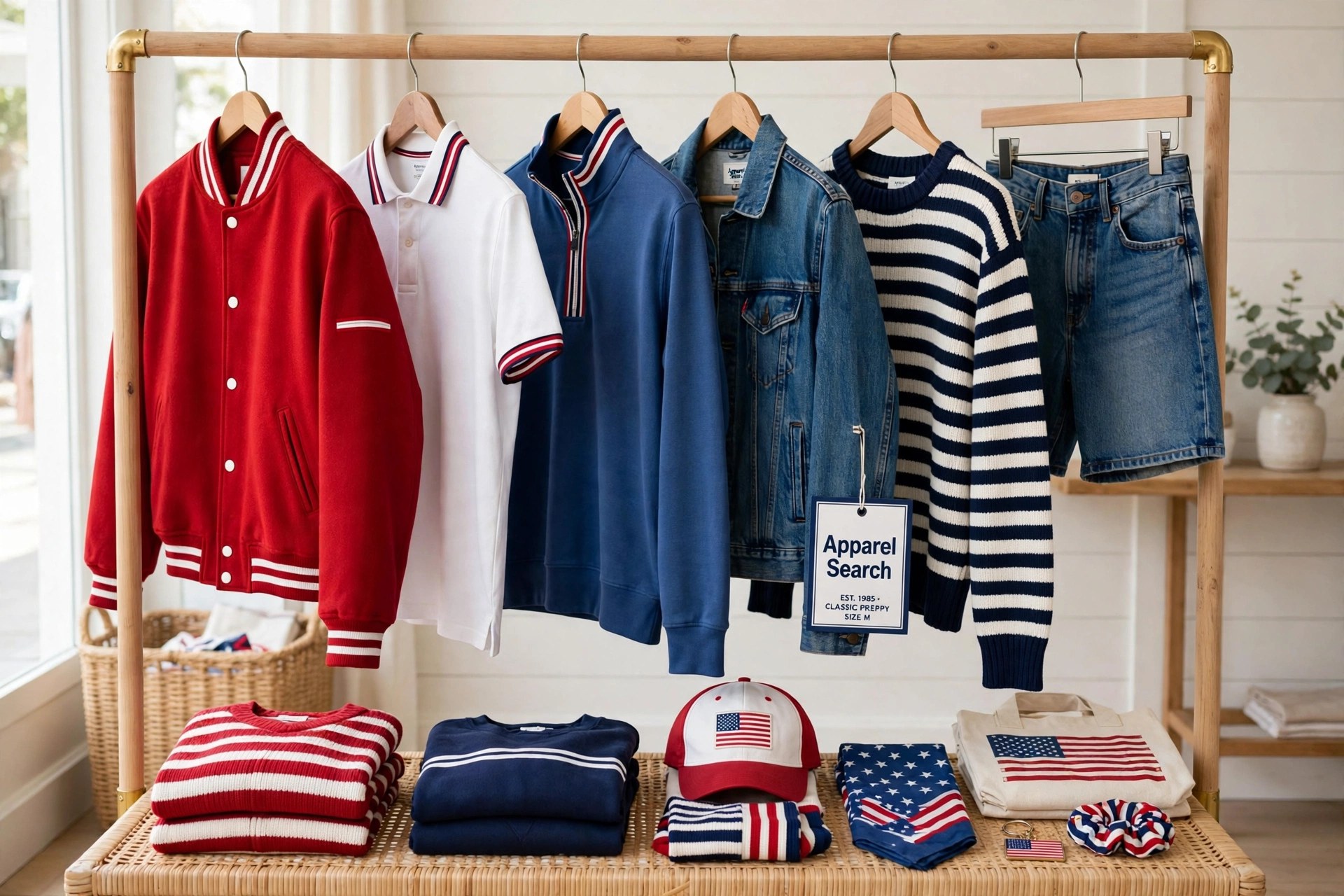
Company Profile
The wholesale record is a two-continent story: in the United States the brand lives in department stores and its own outlets, while in Europe — the larger business PVH bought — it sells through premium wholesale doors and its own stores at fuller prices. The summaries' account of designing, sourcing and marketing sportswear, denim and childrenswear, with licences for everything from fragrance to home, describes the label architecture PVH scaled.
The licensing web is the brand's second engine: eyewear, watches, fragrance, tailored clothing and home goods made by specialists under the flag logo, a programme large enough that the summary lists lifestyle categories well beyond apparel. Under PVH that programme is managed as a global brand business rather than as the founder-era collection of separate deals.
The range behind the name is sportswear, denim, childrenswear, swimwear and accessories under the Tommy Hilfiger and Tommy Jeans labels, plus licensed fragrance, eyewear and home lines. Its customers are department stores and premium wholesale accounts, the brand's own stores and digital customers, principally in Europe and the Americas. That combination — what is sold, and to whom — is the simplest way to place Tommy Hilfiger in the industry: it explains the company's costs, its competitors and the kind of news that moved its shares when it had them. A change in either half of the combination, a new product category or a new customer, is usually the first sign that the business described in the older summaries is turning into something different.
Scale should be read from the dated summaries with their dates attached. Store counts, sales descriptions and market positions quoted there were the company's own account of itself in that year, and they are the right basis for comparing Tommy Hilfiger with the other companies in this section — a component supplier against a retailer, or a catalogue house against a mall chain — as long as each figure is compared with figures from roughly the same period.
For current dealings, the snapshot at the top of this page is the place to start: it gives the company's present status — Acquired — Apax Partners took Tommy Hilfiger private in 2006, and PVH Corp. acquired the company in 2010 for about $3 billion; it is one of PVH's two flagship brands — and links to the official website, which is where current product ranges, store information and investor or corporate contacts are maintained. Anything in the dated summaries that conflicts with the snapshot should be read as the older position: summaries describe the year they are dated, and the snapshot describes the company as it stands now.
The stock record matters because Tommy Hilfiger sat at a point where fashion meets the public markets: investors following the shares were really following spending on premium casual apparel and licensed lifestyle products. The dated company summaries gathered in this section were written for that audience, recording store counts, sales descriptions and company statements as they stood at the time. Read together with the current status above, they show both halves of the story — the business as it presented itself in its listed years, and what became of it afterwards.
History in Brief
The October 2013 summary describes the brand inside PVH: the designer's namesake casualwear worn by stars and fans of rap, rock and sports, designing, sourcing, making and marketing men's and women's sportswear, denim wear and athletic wear, plus children's wear, swimwear and accessories, with licensed lifestyle products beyond apparel. That single dated summary is the whole of its record here and is folded into this page.
Common Questions
Is Tommy Hilfiger a public company?
No. It was NYSE-listed in its early years, taken private by Apax Partners in 2006, and acquired by PVH Corp. in 2010 for about $3 billion.
Who owns Tommy Hilfiger?
PVH Corp., which also owns Calvin Klein. PVH is profiled in this section.
When was Tommy Hilfiger founded?
In 1985, in New York City, by designer Tommy Hilfiger; the brand's global headquarters are now in Amsterdam.
References & Further Reading
Company details such as leadership, ownership, store counts and web addresses can change. For the most current information, check the company's official website: https://www.tommyhilfiger.com/.