White Gold Rings
Gold alloyed white, finished with rhodium
White gold is gold alloyed with white metals to give it a pale, silvery color. Pure gold is naturally yellow, so white gold is made by alloying it with nickel, palladium, silver or zinc: 18 karat white gold is 75 percent gold with 25 percent alloy, and 14 karat is 58.5 percent gold. The alloy on its own has a soft, slightly warm white tone rather than a pure white, so most white gold rings are finished with rhodium plating, a bright, reflective member of the platinum family that gives the ring its familiar crisp white surface and adds hardness. White gold became a favorite setting metal because its neutral color flatters diamonds and other pale stones without the warm reflection yellow gold casts into them, and it costs less than platinum. Its trade-offs are upkeep and allergy: the rhodium layer wears and needs renewal, and nickel-based white gold, the most common type in North America, can irritate nickel-sensitive skin, while palladium-based white gold avoids nickel at a higher price. This guide covers alloys and karats, plating wear and replating, allergy choices, and how white gold differs from platinum and silver in weight and behavior.
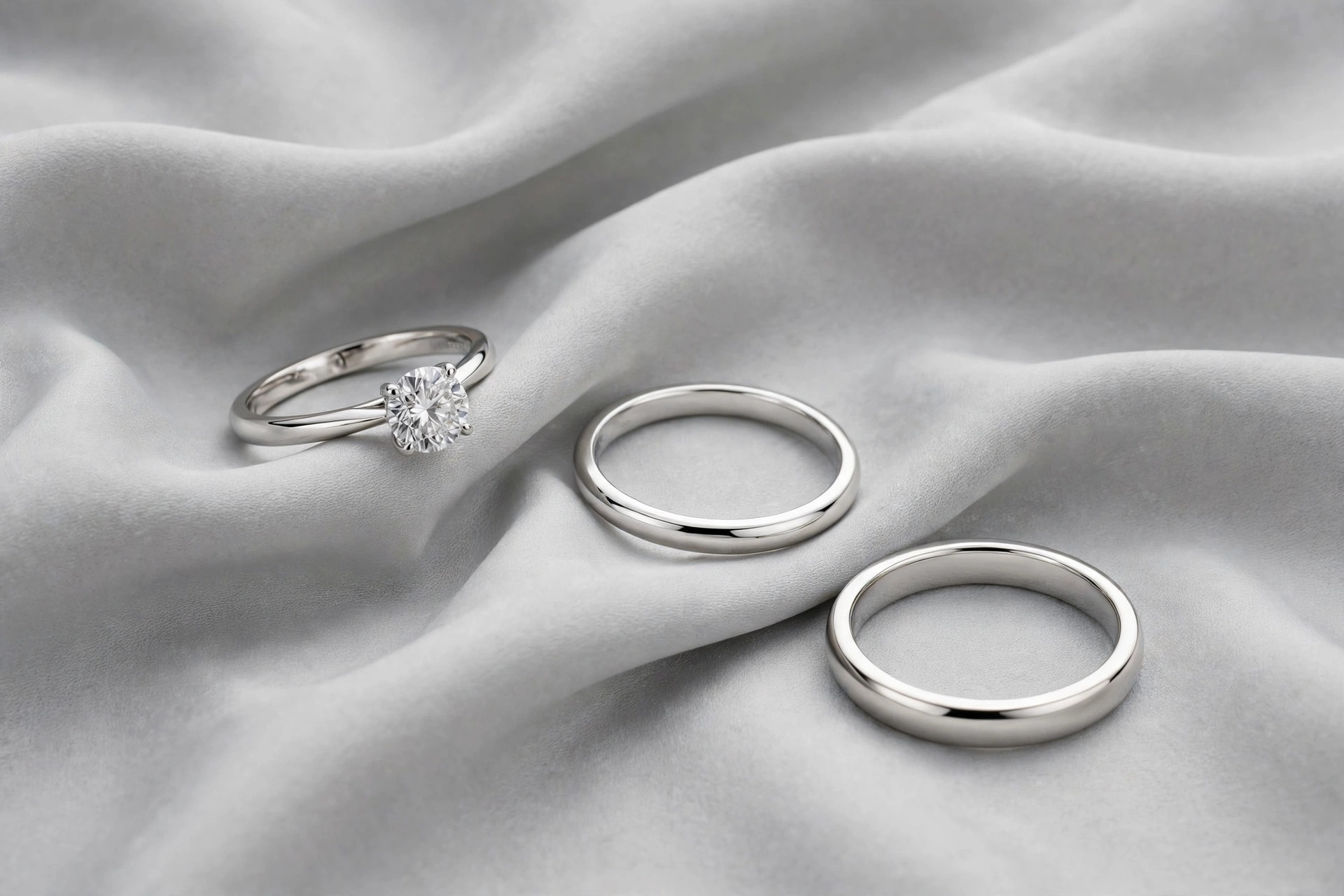
White Gold Rings: Elegance in Every Hue
White gold rings are a popular and elegant choice for jewelry, known for their beautiful, silvery appearance and versatility. Let's delve into the fascinating process of producing white gold, explore the advantages and drawbacks of using it for rings, and consider if it can be mistaken for other metals.
Producing White Gold:
Alloying with Other Metals: Pure gold is naturally yellow, so to achieve a white color, gold is alloyed with other white metals like nickel, palladium, silver, or zinc. The alloying process is crucial to impart the desired color and properties.
Rhodium Plating: After alloying, the resulting metal is not always a perfect white. It often has a yellowish hue. To achieve a bright, white appearance, white gold rings are typically plated with rhodium, a shiny and reflective metal from the platinum family. This plating also enhances durability.
Pros and Cons of White Gold Rings:
Pros:
Aesthetic Appeal: White gold has a sophisticated, silvery hue that complements a variety of gemstones and looks modern and refined.
Versatility: It pairs well with various gemstones,
making it suitable for different styles and occasions.
Hypoallergenic
Options: Some white gold alloys, particularly those without nickel, can be a
hypoallergenic choice for individuals with sensitive skin.
Strength and Durability: White gold is durable, but
its strength can vary based on the alloys used.
Cons:
Rhodium Plating Wear: Over time, rhodium plating can wear off, revealing the slightly yellowish color of the underlying gold. Periodic re-plating is needed to maintain the original appearance.
Maintenance: White gold may require more maintenance compared to other metals due to the need for re-plating and occasional cleaning to maintain its luster.
Allergic Reactions: Some individuals may experience allergic reactions to the nickel present in certain white gold alloys.
Mistaken Identity:
Similar Appearance to Other Metals: Without rhodium plating, white gold can sometimes be mistaken for other white metals, especially platinum or silver. However, the difference in weight and specific characteristics of each metal can help discern them upon closer inspection.
While white gold can initially resemble other metals, understanding the alloy composition, conducting professional assessments, and considering the overall weight and density of the ring can aid in differentiating it from similar-looking metals like platinum and silver. The aesthetic appeal and versatility of white gold make it a beloved choice for creating beautiful and stylish rings.
You may also want to visit our pages that explain about white gold necklaces, white gold bracelets and white gold earrings.
Learn more about metals used for jewelry.
White Gold, Platinum and Silver: Telling Them Apart
White gold, platinum and sterling silver rings can look alike in a photograph, but they behave differently. Platinum is denser, so a platinum ring feels distinctly heavier than the same design in white gold, and it is naturally white with no plating to wear. White gold sits in the middle for weight and price and depends on rhodium for its brightest color. Sterling silver is the lightest and least expensive, tarnishes, and is soft enough that it is rarely used for diamond settings that must hold stones for decades. Hallmarks settle the question: look for 14K or 18K stamps on white gold, 950 or PLAT for platinum, and 925 for sterling silver.
For settings, white gold prongs are strong and widely used for solitaires and halos, and the metal's slight warmth is invisible under rhodium. Buyers choosing between white gold and platinum for an engagement ring are really choosing between lower price plus periodic replating, and higher price plus greater weight and no plating upkeep. Either metal suits daily wear when the setting is well made and checked regularly.
Common Questions
Why does a white gold ring start to look yellow?
The ring itself is not changing color: the bright white rhodium plating on its surface is wearing thin, revealing the warmer, pale-yellow tone of the white gold alloy underneath. Wear shows first on the underside of the band and on raised edges, and how fast it appears depends on wear habits, skin chemistry and how often the ring meets abrasive surfaces. A jeweler restores the finish by polishing and replating the ring, a routine service for white gold.
How often does white gold need to be replated?
For a ring worn every day, replating is commonly needed about every 12 to 18 months to keep the brightest white, though gentle wear can stretch that interval and hard wear can shorten it. Replating is a normal maintenance cost of white gold and should be counted into the price comparison with platinum, which needs no plating. Rings worn only occasionally may keep their finish for several years before the warm undertone shows.
Is white gold a good choice for someone with a nickel allergy?
Only in its palladium form. Standard nickel white gold releases enough nickel to bother many nickel-sensitive wearers, especially in a ring worn all day against the skin. Palladium white gold uses palladium as the whitening alloy instead of nickel and is the hypoallergenic white gold option, though it costs more and has a slightly softer, greyer white that some jewelers still plate. Ask which alloy a ring uses before buying, and look for an explicit nickel-free statement.