Fashion Forms
Apparel Search fashion summary — a short guide to fashion forms.
Fashion forms has two entirely different meanings, and confusing them is easy. One is a tool of the trade: the body forms, dress forms and mannequins used to develop and display clothing. The other is a product range: Fashion Forms, a line of bras and intimate accessories designed to work invisibly under difficult necklines and open backs. Both are covered here, separately.
Fashion Forms — Explore & Resources
Dress Forms, Body Forms and Mannequins
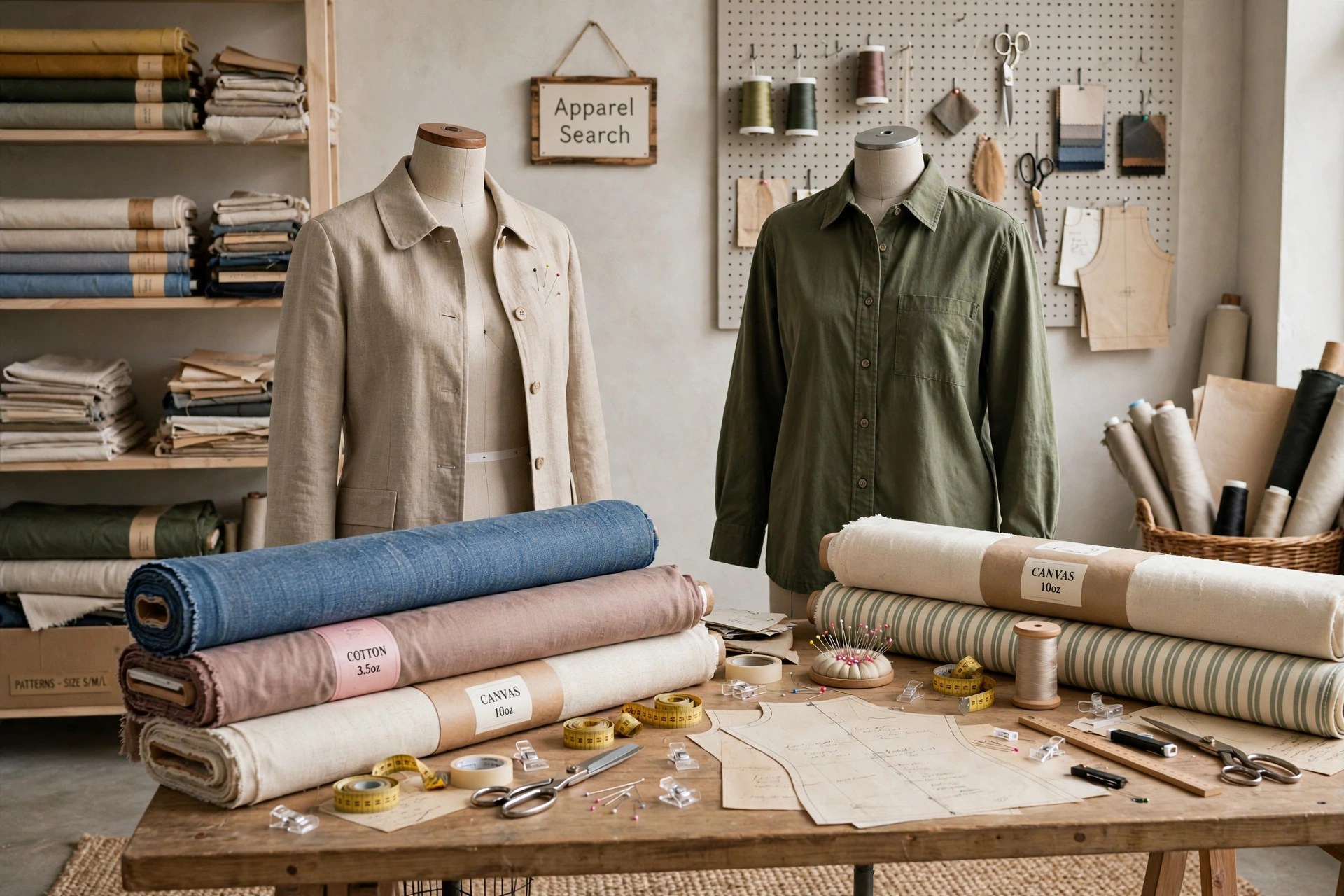
Designers use dress forms to test draping, make patterns and fit garments during development: a form holds the shape of a body while fabric is pinned, cut and adjusted around it. Retailers use forms and mannequins to showcase clothing for purchase. The two main display styles divide by realism — mannequins tend toward realistic shapes and may include hair and facial features, while clothing forms usually have no head or limbs and present the garment alone.
Forms come in plastic, fiberglass and wood, sometimes with a fabric overlay, and in colours including white, black, pink and clear. Some mannequins have flexible arms and legs so they can be posed; forms are made in the shape of a woman, a man or a child, and accessories such as stands, heads, arms, legs and display pins are sold alongside. Material choice follows durability and appearance: a working design-room form takes pins and punishment, while a window mannequin is chosen for looks.
Fashion Forms Bras and Accessories
The Fashion Forms product line answers a different problem: how to get support and shape from a bra that does not show. Its range centres on strapless and adhesive constructions — molded foam wireless cups with front closure for lift, adhesive halter-neck slings, adhesive side panels, and clear adhesive silicone cups that adhere directly to skin. Push-up padded styles and cleavage-enhancing designs sit alongside practical items such as fashion tape, which keeps fabric in place on the body.
These are product solutions chosen by garment, not by size alone: a plunging neckline, an open back and a strapless dress each rule out different conventional bras, and the adhesive and molded styles exist for exactly those cases. Retailers including department stores and intimate-apparel specialists stock the range, and product-focused shoppers should match the construction to the outfit it must disappear under — that, rather than fashion, is the buying decision.
Choosing Display Forms for a Shop
For retailers, choosing between mannequins and clothing forms is a merchandising decision. A full mannequin shows a complete outfit the way a body wears it — posture, proportion and styling included — and suits windows and feature displays. Headless forms present garments more neutrally, let the clothing carry the whole display, and are cheaper to buy, move and redress, which suits rails and wall displays inside the shop. Many stores mix both: posed mannequins for the story at the front, forms for the stock behind them. Sizing the forms to the shop's actual customer sizes matters more than either choice, because a garment displayed on the wrong body shape promises a fit the stock cannot deliver.
Photos


Common Questions
What are fashion forms?
The term has two meanings: the body-shaped forms — dress forms and mannequins — used to develop, fit and display clothing, and Fashion Forms, a product line of strapless, adhesive and molded bras and accessories designed to stay invisible under clothing.
What is the difference between a mannequin and a dress form?
Mannequins are realistic display figures that may include heads, hair and facial features, used mainly in retail presentation. Dress forms usually have no head or limbs; they are working tools for draping and pattern making as well as simpler display forms.
When would someone use an adhesive bra?
With strapless, backless or plunging outfits where conventional straps and bands would show. Adhesive and molded Fashion Forms styles provide support while adhering to the skin or using clear panels so nothing visible crosses the open areas of the garment.