Fashion Schools California
Apparel Search fashion summary — a short guide to fashion schools california.
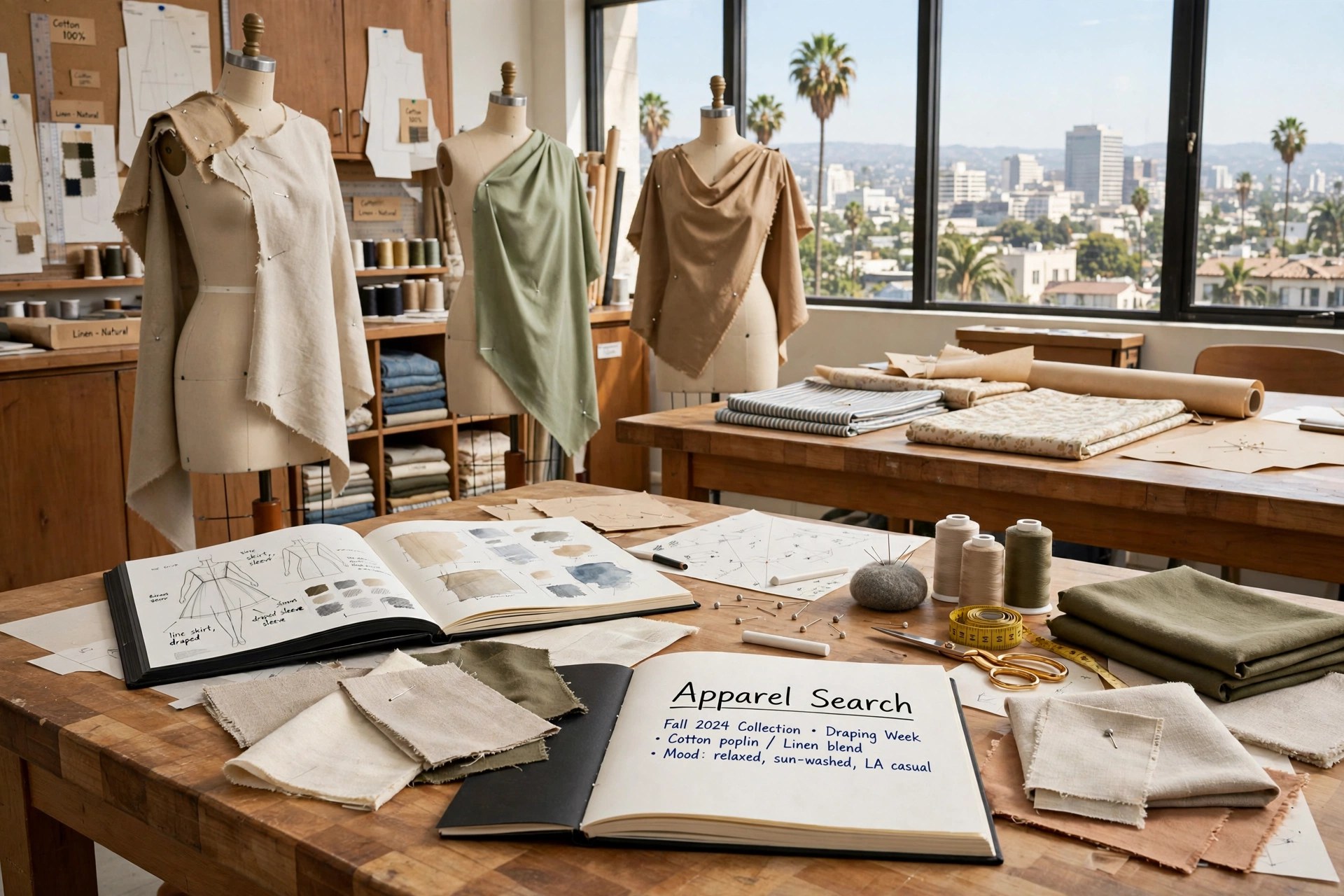
Fashion and textiles are important in California, and it should not be a surprise that the state offers one of the best selections of fashion schools in the United States. Anyone interested in working in the California fashion industry would do well to start by attending a fashion school in California — studying where the industry works has obvious advantages.
Fashion Schools California — Explore & Resources
Studying Fashion in California
California is a U.S. state in the Pacific region of the United States, and a substantial place to learn about clothing, style and textiles: Los Angeles anchors a major apparel manufacturing and fashion district, and the state's schools feed designers, merchandisers and marketers into it. The California fashion schools directory linked from this page lists the state's provision, and the California fashion industry page describes the business those graduates enter.
The general fashion schools summary linked below sets out what fashion schools teach and how levels of study work; this page concentrates on the California choice — its schools, its industry partner projects, and the internships its location makes possible.
FIDM: The State's Best-Known Fashion School
FIDM offers over two dozen accredited Master's, Bachelor's and Associate degree programs in design and creative business. Its students collaborate on special industry partner projects with brands such as Victoria's Secret, Athleta, Nike and TOMS, and part-time work and internships with companies such as J Brand Jeans, Stila and Forever 21 are built into the curriculum.
The school began in 1969 as an urban pioneer, starting with two Downtown Los Angeles classrooms, and grew to four campuses with a student body of 4,200 and nearly 70,000 graduates worldwide. Its stated driving force is an educational environment that fuses student desires with career realities — adapting and expanding its programs to meet the challenges ahead. The fashion schools section and the guide to the best fashion universities and colleges in the world, both linked from this page, widen the comparison.
What California Study Buys a Graduate
The California proposition is proximity converted into experience. Industry partner projects put student work in front of working brands before graduation; internships with companies in Los Angeles turn a term's theory into a reference and a portfolio piece; and part-time work in the industry, built into the curriculum at schools such as FIDM, means the first job after graduation is rarely the first job at all. The state's breadth helps too: a student can study design in Los Angeles while the state's wider creative industries — film costume, surf and skate apparel, tech-adjacent wearable design — offer neighbouring specialisms few other states can match. Applicants should still compare programs by their own subject: a school strong in merchandising is not automatically strong in pattern cutting, and the California directory linked from this page exists so that comparison is made school by school rather than by reputation alone. The right test is the graduate destination list — where a program's alumni actually work is the truest description of what it teaches.
Common Questions
Why study fashion in California?
California has a major fashion and textiles industry and one of the best selections of fashion schools in the United States, so students study close to employers, internships and industry partner projects.
What does FIDM offer?
Over two dozen accredited Master's, Bachelor's and Associate programs in design and creative business, four campuses, industry partner projects with brands such as Nike and TOMS, and internships built into the curriculum.
When was FIDM founded?
In 1969, beginning with two classrooms in Downtown Los Angeles; it has since grown to a student body of 4,200 and nearly 70,000 graduates worldwide.