Women's Hipkini Underwear Guide
The hipkini is the bikini brief re-cut for real hips: a low rise, a wider side and fuller rear coverage. Cuts, fabrics and sizing for the most forgiving brief in the drawer.
Shop Women's Hipkini Underwear Now
Shop Women's Hipkini Underwear on Amazon Shop Women's Hipkini Underwear on eBayThe Amazon and eBay links on this page are affiliate links. If you make a purchase through them, Apparel Search may earn a commission.

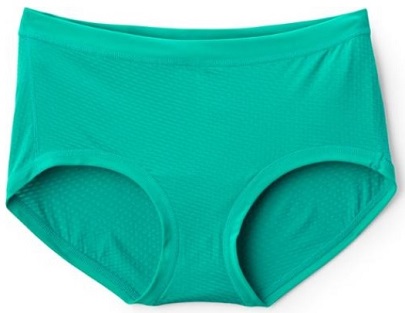
A hipkini is, in our original guide's compact definition, a bikini bottom in a hipster cut: the sides sit on the hips rather than the waist, the rise is low, and the back provides full coverage. It borrows the bikini brief's low, light outline and corrects its two common faults — narrow sides that dig in, and a skimpy back that rides up — by putting more fabric exactly where hips need it.
That balance is why the style has stayed. The hipkini reads as a modern, minimal brief but behaves like a fuller one, and it works under most everyday clothing. This guide stays strictly with the garment itself: how the cut is built, how coverage varies between makers, which fabrics do what, and how to size a style whose fit depends on hip measurement more than any other.
The Cut: Rise, Sides and Leg Line
Three measurements make a hipkini. The rise is low — the waistband sits on the hip bones, below the natural waist. The side is wider than a standard bikini's string or narrow band, typically a proper panel of fabric that spreads pressure across the hip. The leg line is cut lower and squarer than a high-cut bikini, closer to a short, brief-like opening that keeps the garment anchored.
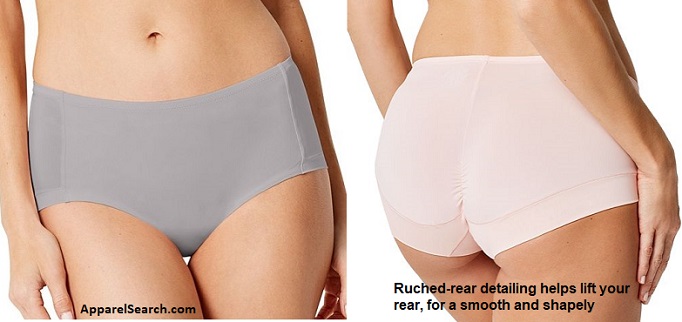
Because those three measurements are the manufacturer's choice, hipkinis vary more than their name suggests. One maker's version is barely wider than a bikini; another's approaches a boyshort in coverage. Our original page made the same point with its example photograph: some hipkini styles cover considerably more of the hip than others, and the difference is deliberate design, not inconsistency.
Coverage and Rear Detailing
Rear coverage is the hipkini's selling point: a full seat that stays in place through a day, rather than the narrow back of a classic bikini brief. That makes the style a common recommendation for anyone who finds bikini backs uncomfortable or forever in need of adjustment, and for wear under fitted trousers and skirts, where a fuller, flatter back panel tends to sit more smoothly.
Makers add shaping details to that panel. The example our original guide singled out was ruched-rear detailing — a gathered centre seam at the back, used on styles such as the Bali One Smooth U hipkini — which contours the seat and helps the fabric stay centred. Ruching is a feature, not a definition: plenty of hipkinis are plain-seamed, and the choice is about fit preference and how the garment sits under clothing.
Fabrics and Construction
Most hipkinis are knitted blends. Cotton with elastane is the breathable everyday option; microfibre nylon or polyester with elastane gives the smoothest finish under close-fitting clothes and the quickest drying; modal blends trade a little durability for exceptional softness. Lace side panels and trimmed edges appear on dressier versions, with the same hipster geometry underneath the decoration.
Construction details decide comfort more than fabric names do. Look for a cotton-lined gusset in synthetic styles, flat or covered seams at the leg, and a waistband that is either a soft folded edge or a narrow, non-rolling elastic. A waistband that folds or digs on the hip bone will do it all day — the low rise leaves it nowhere to redistribute.
Sizing a Hip-Based Fit
Size a hipkini by the hip, not the waist. Measure around the fullest part of the hips, where the garment will actually sit, and choose from the maker's chart on that number; sizing by dress size or waist measurement is the commonest cause of a hipkini that creeps or cuts in. Between sizes, most wearers do better sizing up: the wide side panel forgives a little extra fabric far more readily than a tight low band forgives a shortage.
Fit checks are quick. The waistband should lie flat on the hips without a muffin of pressure above it, the leg edges should stay put when you sit and stand, and the back should cover without excess fabric bunching. If a style almost works, try a neighbouring brand before abandoning the cut — hipkini geometry differs enough between makers that the right version is usually a different label, not a different style.
Hipkini vs Bikini, Brief and Boyshort
Against its neighbours, the hipkini is easiest to place. A classic bikini brief shares the low rise but narrows the sides and the back. A full brief raises the rise to the waist and maximises coverage everywhere. A boyshort extends fabric down the thigh like a short, where the hipkini keeps a brief's leg opening. The hipkini is the middle path: low like a bikini, settled like a brief.
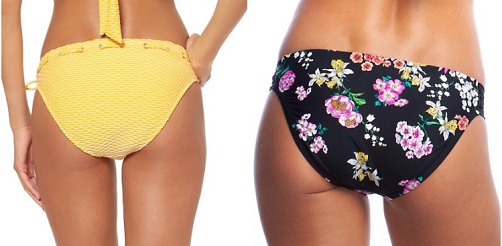
The same cut crosses categories: hipster bottoms appear in swimwear as well as underwear, where our original guide noted they are sometimes grouped with hot-pants styles. The geometry transfers — low rise, hip-sitting sides, fuller back — but buy swim and underwear versions to their own size charts, since swim fabrics carry more elastane and fit closer by design.
More H Guides
Photos From Our Original Guide
More to Explore on Apparel Search
Looking for Women's Clothing Stores?
This guide helps you choose women's hipkini underwear. To browse where to buy, visit our women's clothing store directory, where you can find retailers that carry them.