Women's Maternity Apparel Guide
Maternity apparel is the whole category of clothing engineered for a changing body — designed to be worn during pregnancy and in the weeks after childbirth, when ordinary sizes stop working.
Shop Women's Maternity Apparel Now
Shop Women's Maternity Apparel on Amazon Shop Women's Maternity Apparel on eBayThe Amazon and eBay links on this page are affiliate links. If you make a purchase through them, Apparel Search may earn a commission.

Start with the word itself. Apparel is clothing — the general term for garments of all kinds — and maternity is the period during pregnancy and shortly after childbirth. Put them together and maternity apparel is the category of clothing designed for that period: garments adapted to changes in body size and shape that ordinary women's apparel is not built to handle. Our terminology section's page on maternity fashion (linked at the foot of this page) collects the industry definitions for the category.
This page is the umbrella guide to the whole range. The individual garments — jeans, dresses, bras, sleepwear, swimwear and the rest — each have their own guide in this section, and the links below and in the explore list will take you to all of them, as well as to the retail and wholesale maternity directories.
When Do You Start Wearing It?
There is no fixed week. Most women reach for their first maternity pieces somewhere in the second trimester, when waistbands start to dig and buttoned trousers stop closing, but the real trigger is comfort, not the calendar. A first pregnancy usually shows later than later pregnancies, and some women wear stretchy regular clothes almost to term while others switch at twelve weeks. Buy in stages: a few core pieces early, then fill gaps as your shape changes.
The first purchases are almost always bottoms — maternity jeans or pants with a panel — because the waist is where regular clothes fail first. Tops follow as the bust and belly grow, then bras, sleepwear and, if the season demands it, a coat. Because the wearing window is short, most maternity apparel is designed to span several months of change rather than fit one exact week.
How Maternity Apparel Is Constructed
Four construction tricks do most of the work. Belly panels — wide bands of stretch knit sewn into trousers, jeans and skirts — expand over or under the bump. Empire waists move the seam to just under the bust, so fabric falls free over the belly. Ruching gathers fabric at the sides of tops and dresses so it can stretch out as you grow and spring back afterwards. And wrap and tie fronts adjust by hand, which is why wrap dresses and tops are maternity staples.
Fabrics lean stretchy for the same reason: jersey, ponte, denim with elastane, and knits with four-way stretch. Grow-with-you details — adjustable waist tabs, buttonhole elastic inside waistbands, longer hems at the front — extend the life of each piece. Many pieces are also cut to work after the birth, with nursing access built in, so the apparel budget covers the fourth trimester too.
Sizing and the Category at a Glance
The working rule of maternity sizing is simple: buy your pre-pregnancy size. A size 10 in regular women's apparel translates to a maternity 10, because the grading already adds room where pregnancy adds it — belly, bust and hips — while shoulders and sleeves stay close to standard. Our maternity clothing guide (linked below) is devoted to fit and measuring in detail.
The category spans everything a wardrobe needs: everyday jeans, pants, tops and dresses; work blouses and shirts; bras and lingerie built for changing busts; sleepwear and pajamas with nursing access; swimwear with room to grow; and outerwear cut to close over a bump. Specialty retailers stock the full range, and the maternity retail directory linked below lists stores, while the wholesale maternity page covers the trade side of the category.
Secondhand and Borrowed: The Category's Open Secret
Because maternity apparel is worn for months rather than years, it circulates like no other clothing category. Hand-me-downs from sisters and friends, secondhand maternity shops, clothing swaps and resale listings are a normal, expected part of the market — a large share of pregnant women wear at least some pre-owned maternity apparel, and there is no stigma in it whatsoever. The category is designed for it: panels and ruching that fit one body will fit the next, and well-made pieces commonly serve three or four pregnancies. If you buy new, buy the pieces that touch skin and do structural work — bras, jeans, the panel pants — and let dresses, sweaters and occasion pieces come to you secondhand with a clear conscience and a fuller wallet.
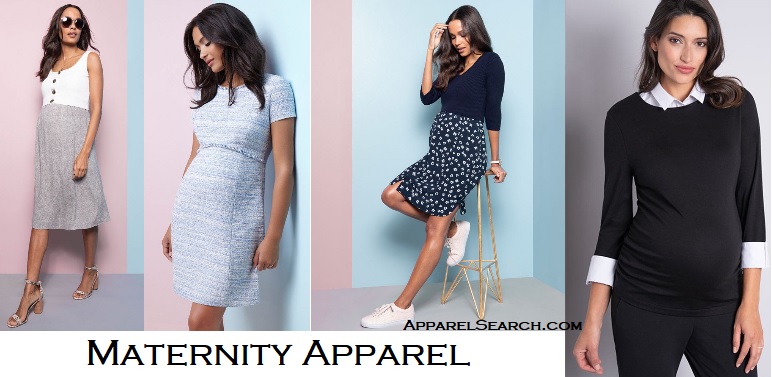
Photos From Our Original Guide
Related Women's Guides
Looking for Women's Clothing Stores?
This guide helps you choose women's maternity apparel. To browse where to buy, visit our women's clothing store directory, where you can find retailers that carry them.