Women's Maternity Footwear Guide
Pregnancy changes feet — they swell, arches flatten, balance shifts — so maternity footwear is a comfort system: cushioning, support, and shoes you can get on without a struggle.
Shop Women's Maternity Shoes Now
Shop Women's Maternity Shoes on Amazon Shop Women's Maternity Shoes on eBayThe Amazon and eBay links on this page are affiliate links. If you make a purchase through them, Apparel Search may earn a commission.

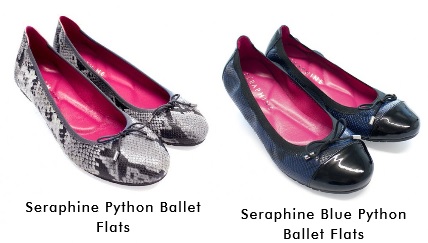
Nobody warns you about the feet. During pregnancy, fluid retention swells them, the hormone relaxin loosens the ligaments that hold the arch, and the arch can flatten enough to lengthen the foot by half a size or more — sometimes permanently. Add a shifting center of gravity, and the shoes that were fine in January can be unwearable by June. Our original guide illustrated the point with a pair of ballet flats, and the flat is still where most maternity footwear conversations start.
This page covers what changes, what to look for, and the shoe wardrobe that gets most women through: cushioned flats, supportive sneakers, loafers, and low, stable heels for when the occasion demands them.
What to Look For
Four features matter more than brand or style. Cushioning under the heel and ball of the foot absorbs the impact of extra weight. Arch support — a contoured footbed or room for an insole — compensates for flattening arches and prevents the ache that travels to knees and back. Room: a wide enough toe box and soft uppers that give when feet swell as the day goes on; buy shoes in the afternoon, when your feet are at their largest. And a low, stable heel — an inch or two on a block or wedge base — if you wear heels at all; late in pregnancy, your balance genuinely is different.
Practicality is the fifth feature: by the third trimester, reaching your feet is an event, so slip-ons, elastic laces and zip sides stop being conveniences. Leather and knit uppers that stretch earn their price; stiff patent does not forgive.
The Working Shoe Wardrobe
Ballet flats are the classic maternity shoe — the style our original photo showed — but choose ones with a padded insole and some structure; paper-thin flats are barefoot in disguise. Supportive sneakers do the mileage: walking is the exercise most recommended in pregnancy, so the sneaker is arguably the most important shoe you own this year. Loafers and cushioned flats cover work. Low block-heel sandals or pumps cover occasions, in small doses.
Boots deserve a word: a wide-calf or stretch-panel boot accommodates swollen calves, and a side zip beats pull-on wrestling. Whatever the style, rotate pairs day to day — feet and shoes both recover better — and put comfort so far ahead of vanity that the choice makes itself.
Sizing Honesty
Measure your feet again in pregnancy rather than assuming your size: stand, measure late in the day, and fit the larger foot. If you are between sizes or one size up from your old shoes, that is information, not failure — a large share of women keep some of the length gain after pregnancy, because the arch change is structural. Compression socks on long days (covered in our accessories guide) manage the swelling that makes morning shoes tight by evening.
The stores linked below — the maternity retail directory and the women's footwear stores directory — are the places to shop the categories, and our women's footwear terminology page explains the construction words (footbed, last, vamp) that make shoe descriptions make sense.
Walking: The Case for the Good Sneaker
Put a number on the sneaker's importance: walking is the exercise most consistently recommended throughout pregnancy, on the order of a daily half hour for most women, and it happens in whatever shoes are by the door. That makes the supportive sneaker the hardest-working maternity shoe by hours worn, ahead of any flat or heel. Choose it like equipment: a cushioned midsole, a heel counter that holds, a toe box that tolerates a swollen afternoon foot, and a tread you trust on wet pavement. Buy it when your old sneakers start to feel small rather than when they become painful — feet announce their changes early and politely, once. The pretty shoes in this category get the compliments; the sneaker does the work, and maternity footwear wisdom consists mostly of funding it properly.
Photos From Our Original Guide
Related Women's Guides
Looking for Women's Clothing Stores?
This guide helps you choose women's maternity footwear. To browse where to buy, visit our women's clothing store directory, where you can find retailers that carry them.