Women's Maternity Jeans Guide
The maternity jean is the foundation garment of the modern pregnancy wardrobe — and the panel above the denim is where all the engineering lives.
Shop Women's Maternity Jeans Now
Shop Women's Maternity Jeans on Amazon Shop Women's Maternity Jeans on eBayThe Amazon and eBay links on this page are affiliate links. If you make a purchase through them, Apparel Search may earn a commission.

If the maternity wardrobe has a cornerstone, it is the jean. It is usually the first maternity garment bought — the moment regular waistbands lose the argument — and the most worn. Our original guide photographed a 2019 pair of maternity jeans from a high-street maternity line to make the essential point: a maternity jean looks like any other jean from the knee down. Everything different about it happens at the waist.
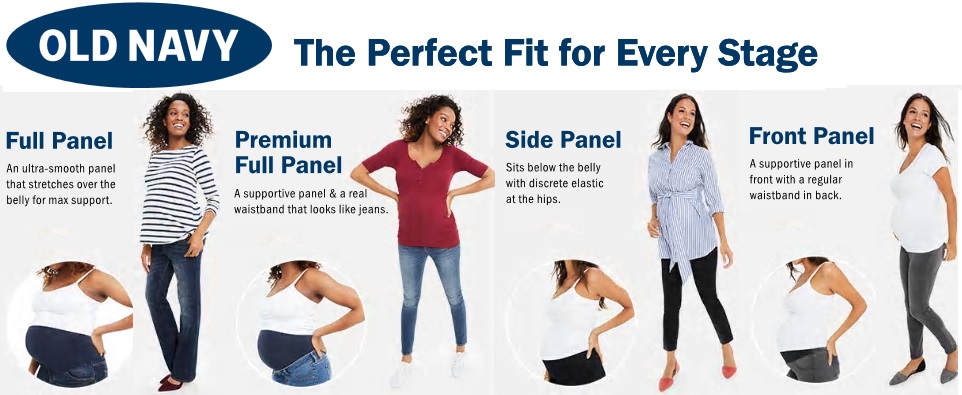
That difference is the panel, and choosing between panel types is the main decision in buying maternity jeans. Get it right and one or two pairs will carry you through the pregnancy; get it wrong and you will tug at your waistband ten thousand times.
The Three Panel Types
The full panel (over-belly) is a wide band of soft stretch knit that rises over the whole bump, sometimes to under the bust. It smooths the silhouette under tops, supports the belly's weight, and stays put — the favorite of the third trimester and of women who dislike anything pressing low. The under-belly band is a low elastic waistband that sits beneath the bump, feels most like regular jeans, and wins the first and second trimesters; its weakness is riding down late in pregnancy as the bump grows over it.
The third design, side panels (inset elastic at the front pockets of an otherwise regular-looking jean), keeps a real button-and-fly look and stretches sideways. Side-panel jeans are the best disguise — nobody can tell — but offer the least growth room. Many women own two types across a pregnancy: under-belly or side panels early, full panel late.
Fits, Denim and Sizing
Fits mirror regular denim: skinny (the maternity default, because the panel solves the top half), straight, bootcut, and wide-leg in fashion seasons. Judge the denim by stretch and recovery — a good maternity jean has 1–2% elastane or a stretch weave and snaps back after washing rather than bagging at the knee by noon. Dark washes dress up; distressed and light washes are weekend denim, same as ever.
Sizing follows the maternity rule: buy your pre-pregnancy size, and let the panel do the adjusting. Buy the first pair when your regular jeans stop closing — typically early second trimester — and expect one pair in rotation to be washed constantly, which argues for two pairs if the budget allows: one dark, one casual. Our maternity pants guide (linked below) covers the non-denim bottoms with the same panel logic.
Wearing Them Beyond the Bump
Style them as you styled jeans before: the panel disappears under any top with length, and a half-tuck works with under-belly bands. After the birth, maternity jeans are the trousers of the fourth trimester — the full panel folds down, the under-belly band just feels like a soft waistband — and most women wear them for months before regular denim feels right again.
When they finally retire, note what the original guide's photograph quietly proves: maternity denim is a mature, ordinary, high-street product now, in every fit and finish the regular market offers. The panel is the only secret, and it is a comfortable one.
Denim Weight and the Seasons
One variable the panel debate hides: the denim itself. Maternity jeans come in the same weight range as regular denim, and the weight should follow your calendar. A pregnancy peaking in summer wants a light, breathable stretch denim or a denim-look knit — a full panel over a bump in heavy 13-ounce denim in August is a punishment nobody assigned you. A winter third trimester reverses the logic: midweight denim, worn over maternity leggings on the coldest days, with the full panel acting as an extra insulating layer. If you will live in one pair across two seasons, midweight with strong recovery is the compromise — and size the decision by when you will be largest, not by when you are shopping.
Photos From Our Original Guide
Related Women's Guides
Looking for Women's Clothing Stores?
This guide helps you choose women's maternity jeans. To browse where to buy, visit our women's clothing store directory, where you can find retailers that carry them.