Women's Maternity Outerwear Guide
Outerwear is clothing worn over other clothes, outdoors — and maternity outerwear is the version cut to fasten over a bump and keep two people warm.
Shop Women's Maternity Outerwear Now
Shop Women's Maternity Outerwear on Amazon Shop Women's Maternity Outerwear on eBayThe Amazon and eBay links on this page are affiliate links. If you make a purchase through them, Apparel Search may earn a commission.

Begin with the definition our original guide used: outerwear is clothing worn over other clothes, for wearing outdoors — typically coats and jackets. Maternity is the period during pregnancy and shortly after childbirth, and maternity clothing is worn as an adaptation to changes in body size during pregnancy. Maternity outerwear is simply the intersection: the coat or jacket adapted so it can actually fasten over the change.
The original guide made a second, reassuring point worth keeping at the top: because many coats are cut generously, you may be able to wear your existing outerwear for much of a pregnancy. This page is about when that stops being true, what to buy when it does, and the extender trick that saves many women buying a coat at all.
When Regular Coats Stop Working
A regular coat fails in a predictable order: first it stops buttoning over the bump (usually mid-pregnancy), then it stops wanting to close — riding up at the front, pulling at the back. Wearing it open works until weather makes open a bad idea. The decision point is mostly calendar math: if your third trimester lands in cold months, you need a maternity solution; if you're due in early autumn, an open coat and layers may genuinely see you through.
The budget answer is the coat extender: a zip-in or clip-in panel that widens your existing coat by several inches at the front. Extenders fit many standard zips, cost a fraction of a coat, and some reverse into a baby-wearing panel after the birth. For one winter of pregnancy, they are the smart money.
Maternity Coat and Jacket Styles
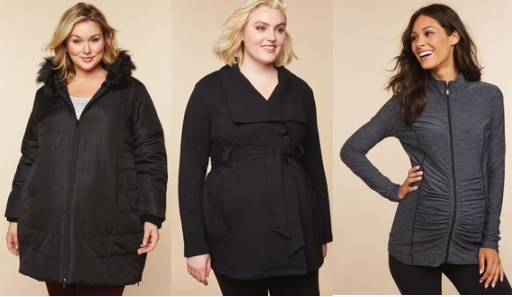
Purpose-cut maternity outerwear comes in a few proven shapes. The wrap coat ties closed and adjusts continuously — the most forgiving and the most elegant. The swing or trapeze coat flares from the shoulders and simply makes room. Panel parkas and puffers build the extra width into a removable insert, so the coat converts back to regular use afterward — the premium design, and worth it in real winters. Cape and poncho styles bypass fastening altogether.
For jackets, the rules soften: an open blazer or an unzipped moto over maternity tops is a look, not a compromise, in mild weather. Rain is the exception — a maternity rain jacket or a generously cut trench that closes is worth having if your wet season and third trimester coincide.
Warmth, Weight and After
Pregnancy runs warm — most women overheat in the insulation they'd normally choose, so pick the lighter weight of any two options and layer. Check that pockets are reachable, hoods lie flat under scarves, and hems are long enough at the front to match the back once the bump lifts the coat. After the birth, wrap coats and panel coats convert or belt back down; extenders resell or pass on easily. Outerwear is the most shareable maternity category there is — buy well, and it will warm several pregnancies.
The maternity retail directory linked below lists outerwear sources, and our general women's outerwear guide covers the coat and jacket families beyond maternity.
The Layering Math Under the Coat
A maternity coat is only the top of a system, and the layers under it decide whether the system works. Because pregnancy raises your resting temperature, the layer stack that served you before — sweater plus coat — often becomes sweater plus open coat, then just the coat over a top by the third trimester. Cut the coat's job down accordingly: wind and rain protection and a clean line, rather than maximum insulation, which you can add on the coldest days with the cardigan you already own. This is also the argument for the wrap coat worn over everything you have: the tie accommodates the layers of the week, thick or thin, without a fastening ever voting against you. Judge any maternity coat by buttoning it over your bulkiest realistic layer, sitting down, and reaching for a handrail — the three things it must do daily.
Photos From Our Original Guide
Related Women's Guides
Looking for Women's Clothing Stores?
This guide helps you choose women's maternity outerwear. To browse where to buy, visit our women's clothing store directory, where you can find retailers that carry them.