Women's Maternity Shirts Guide
The maternity shirt is the structured end of the tops family: collars, cuffs and button fronts, recut so the structure survives a bump.
Shop Women's Maternity Shirts Now
Shop Women's Maternity Shirts on Amazon Shop Women's Maternity Shirts on eBayThe Amazon and eBay links on this page are affiliate links. If you make a purchase through them, Apparel Search may earn a commission.

Within the maternity tops family, the shirt is the piece with architecture: a collar, a button front, cuffs — the garment that makes an outfit look deliberate. Our original guide pointed readers to cotton maternity shirts and cotton maternity t-shirts as the working core of the category, and cotton remains its home fabric. This page covers shirts proper; blouses (softer, dressier) and t-shirts (knit, casual) have their own guides in this section.
The maternity recut of a shirt is a quiet feat: the buttons must still close over a changed bust and belly, the tails must stay long enough to tuck or cover, and the collar and cuffs must keep their proportions while everything between them grows.
How a Maternity Shirt Is Cut
Three changes do the work. Length: front panels are cut longer so the hem stays level and tuckable as the belly lifts the fabric. Room where it counts: extra ease through the bust and midsection, often released from back pleats, a shaped hem, or discreet side stretch panels, while shoulders and collar stay true. Shape management: darts move or vanish, empire seaming appears under the bust, and some styles add a half-belt or tie at the back so early-pregnancy wearers can pull in the extra cloth.
The button front is more than a style point: it is nursing access, temperature control, and a fitting tool (one button of ease, opened over a camisole, is a legitimate look). Check button spacing at the bust — gaping means the cut is wrong, not that you are.
Styles and Fabrics
The classic button-front in cotton poplin or oxford is the office shirt of pregnancy. Chambray and denim shirts do the casual version and layer over tees. Flannel and brushed cotton own the cold months. Tunic shirts run long enough for leggings and skip the tuck question entirely. Prints — a stripe, a small check, a ditsy floral — carry the outfit when the bottom half is plain maternity basics, which it usually is.
Cotton dominates for breathability, with cotton-stretch blends adding recovery. Wrinkle-resistant finishes earn their keep; pregnancy is not the season for daily ironing, and a shirt that needs it will simply stop being worn.
Wearing Shirts Through and After
Style them as you would any shirt: tucked into a maternity pencil skirt or trousers with the panel hidden, worn open over a maternity tee as a light layer, or belted high under the bust in the early months. The structured collar frames the face in meetings and photographs exactly as it did before pregnancy — which is rather the point of the category.
After the birth, the button front keeps the shirt in service for feeding, and the roomy cut is forgiving while things settle. Of all maternity garments, a good cotton shirt is among the most likely to stay in the regular wardrobe for good. The women's shirts guide and the cotton maternity pages linked below carry the topic further.
Ironing, Wrinkles and Real Life
A shirt's secret specification is how it behaves on day three of real life, and maternity real life has no spare ironing in it. Cotton poplin is crisp for an hour and creased by lunch in a chair; oxford cloth holds longer; cotton with a wrinkle-resistant finish or a few percent of synthetic holds all day and is the working mother's actual friend. Chambray forgives everything and can be worn twice. The test before buying: crush a sleeve in your fist for ten seconds and let go. If the result alarms you in the shop, it will defeat you at home. Pregnancy is a season for dressing well within your energy, and the shirt that respects that — structured, washable, unwrinkled by noon — is the one that gets worn until the buttons are a memory.
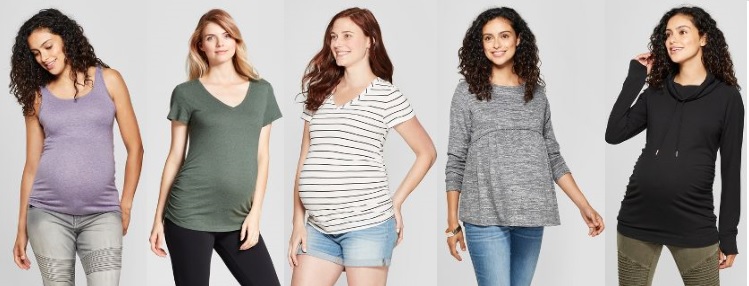
Photos From Our Original Guide
Related Women's Guides
Looking for Women's Clothing Stores?
This guide helps you choose women's maternity shirts. To browse where to buy, visit our women's clothing store directory, where you can find retailers that carry them.