Alexander Wang
The American designer of urban essentials — a label begun at 22, a runway debut at 24.
Alexander Wang is an American fashion designer known for his urban designs. At the age of 22 he began his eponymous label, and two years later he debuted his runway collection — compressing into four years a rise that takes most designers a decade.
This guide gathers the Wang record: collections, fall and spring fashions, fashion week appearances, news, profiles and runway shows, each with its own page in the series above. The official Alexander Wang website is linked in the references for the label's current work.

Illustrative image created for this guide — an artistic impression, not this designer's own garments.
The Off-Duty Idea, Perfected
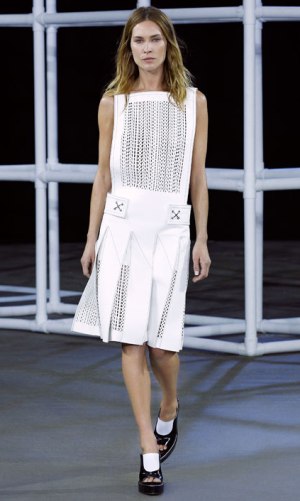
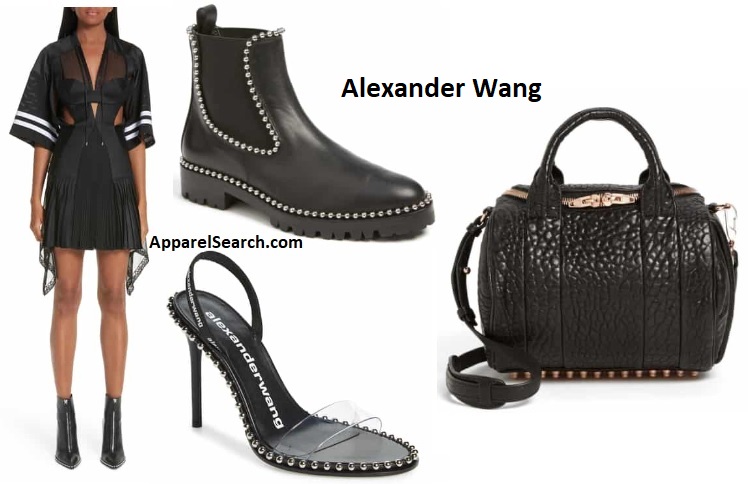
Wang's founding insight was that the clothes models wore between shows — the tee, the hoodie, the slouchy trouser, the perfect black jacket — were a wardrobe in themselves, and that young urban customers wanted those pieces designed with the same care as eveningwear. His label built that wardrobe in a disciplined palette, mostly black, white and grey, and cut it close enough to the body to read as fashion rather than loungewear.
The speed of the rise followed from the clarity of the idea. A label begun at 22 with one unmistakable point of view does not need to explain itself season by season; it needs only to extend — into menswear, accessories, footwear and the structured handbags that became the label's commercial signatures.
How to Use This Guide
The series above divides the record by angle. Collections follows the output season by season; Fall and Spring separate the urban wardrobe's two weights; Fashion Week follows the label through New York's show calendar; Runway looks at the presentations; News and Profiles gather coverage and background. Each page stands alone, and the series block links them all.
Photos
Common Questions
Who is Alexander Wang?
Alexander Wang is an American fashion designer known for his urban designs. He began his eponymous label at the age of 22, and two years later debuted his runway collection — an unusually fast rise built on perfecting off-duty essentials.
What is Alexander Wang's style?
Urban and monochrome at its core: slouchy tees, hoodies, tailored separates and black-and-white palettes, cut with a precision that turned model-off-duty dressing into a designer category of its own.
What does this guide cover?
The full Wang record in this section: collections, fall and spring fashions, fashion week, news, profiles and runway pages, linked in the series above, plus the official Alexander Wang website in the references.