AI Tools for Fashion / Create
AI Fashion Models and Virtual Influencers
AI fashion models and virtual influencers are often discussed as one trend, but they are two different tools with different rules. One is synthetic imagery for catalogs and campaigns; the other is a fictional person with an audience. This guide separates them, and covers how each is made, what disclosure is expected, and where the ethical lines sit.
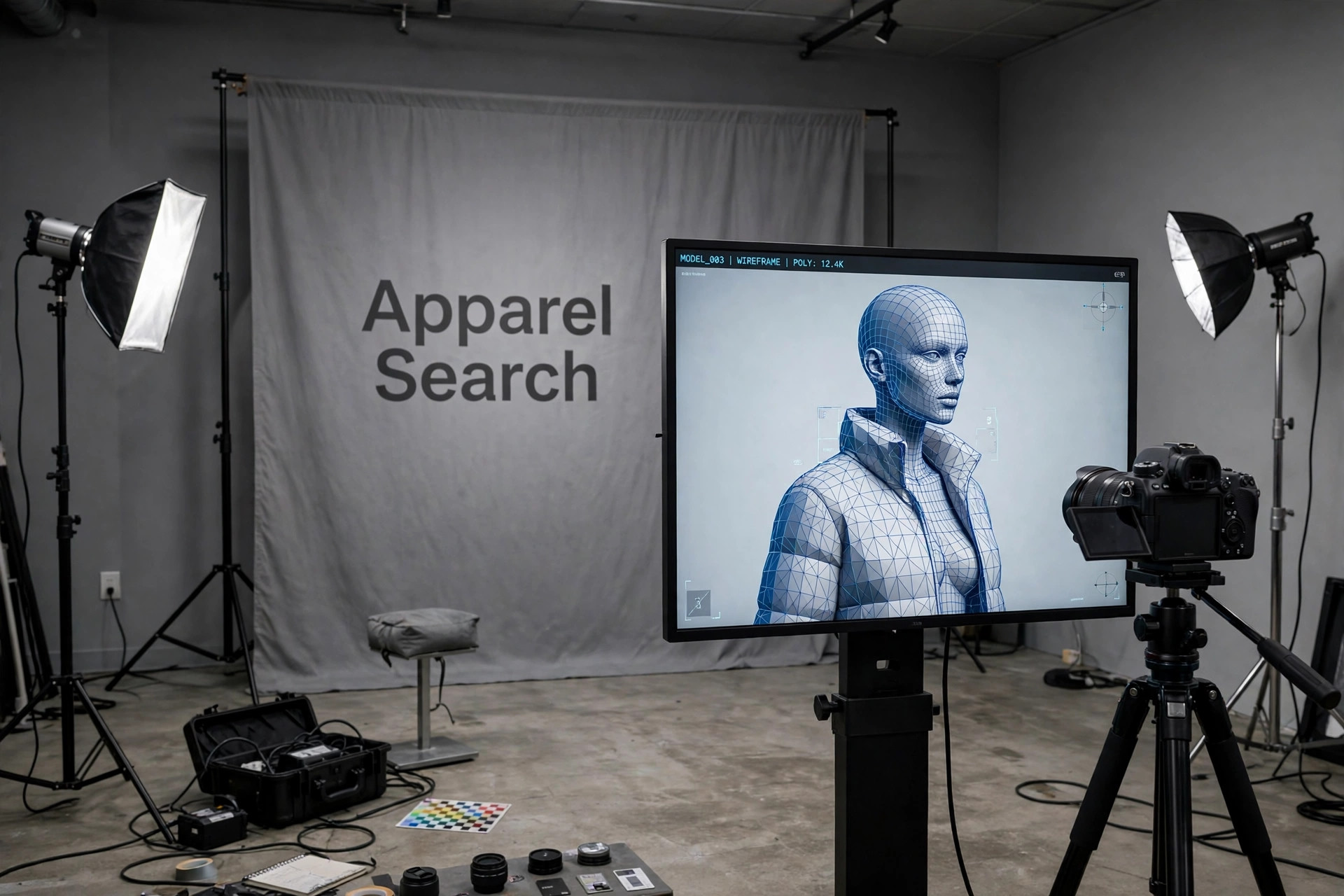
Two Different Things
First, a Distinction the Headlines Blur
Definitions
- AI-generated model
- A synthetic person created to display clothing in product photography and campaigns. The model is imagery, produced for a shoot or a catalog; there is no persona, no account and no ongoing public life.
- Virtual influencer
- A fictional character with a name, a face, a backstory and social media accounts, operated by a company or agency, who posts content, builds an audience and takes brand deals — a media property, not a photograph.
- Digital replica
- A synthetic copy of a real, identifiable person, made (legitimately) with that person's agreement. Replicas raise consent and likeness questions that fully fictional models do not, and they are not the subject of this guide.
The two halves of this guide treat the two fictional cases separately, because the business questions, the rules and the risks are different for each.
Part One — The Models
AI-Generated Models for E-Commerce and Campaigns
An AI model workflow starts with the garment, not the person. A brand supplies product photographs — flat lays, ghost-mannequin shots or standard on-model photos — and a generative system produces imagery of the clothing worn by a synthetic person, in poses, settings and variations the brand selects. The appeal is practical: a full size run or color range can be shown without booking a studio for every variant, long-tail products that could never justify a photoshoot get on-model imagery, and a campaign look can be produced in many crops and formats at once. The studio craft behind conventional and AI-assisted imagery is covered in the product photography guide in the AI Guides list below; this page focuses on the questions that are specific to synthetic people.
The diversity claim — and its limits
The most common claim made for AI models is diversity: a brand can show its clothing on models of many ages, sizes, skin tones and abilities without the casting constraints of a single shoot day. The capability is real, and for shoppers who rarely see themselves in catalog imagery it can be genuinely welcome. The reality check is that a generated range of bodies is a design choice, not representation in the fuller sense — no model was hired, no community was consulted by default, and systems trained on conventional fashion imagery can quietly reproduce conventional ideals while varying surface features. Shoppers also use model imagery as fit information: how a garment drapes, pulls and falls on a body like theirs. A synthetic body that drapes like no real body can mislead exactly the customers the imagery claims to serve, which is one reason brands increasingly pair AI imagery with fit technology such as AI virtual try-on, where the shopper's own measurements carry the fit story.
Disclosure and labeling
Rules here are best described as a firm floor with a moving ceiling. In the United States, the Federal Trade Commission's Endorsement Guides apply to endorsements that appear to come from a person: the FTC updated the Guides to make clear that an endorser can be someone who only appears to be an individual, expressly bringing virtual influencers and other computer-generated fictional characters inside the same framework as human endorsers. That means the long-standing duties travel with the technology — endorsements must not mislead, claims must be supportable, and paid or other material connections between an endorser and a brand must be disclosed clearly. Legal analyses of the current framework note that there is no general federal rule requiring disclosure solely because AI was used to create an image; the legal question is whether the use of AI makes the advertising misleading — for example, by presenting a synthetic person as a real customer with real experience of the product. Beyond the federal floor, platform labeling tools and rules, state laws and the European Union's AI transparency requirements are all developing, and they do not move in lockstep. The cautious practice many brands now follow is simple: label AI-generated people as AI-generated, never present a synthetic person as a real customer, reviewer or employee, and keep the substantiation file for every claim an image implies. Treat that as risk management rather than a legal conclusion, and take advice on your own markets before a major campaign.
Why Brands Want Synthetic People
Strip away the novelty and the motives are ordinary business ones: cost per image, speed, control and availability. A synthetic model does not age, move to a competitor, or become unavailable mid-campaign; a virtual influencer's owner controls every post, in every market, in every language the team can produce. Those advantages are real — and each has a shadow side. Control means the brand or agency owns every mistake too; availability means the persona can be worked in ways that would be unreasonable for a person, which audiences may eventually hold against it; and an image pipeline with no shoot day also has no shoot-day serendipity — the unplanned photograph that becomes the campaign. The brands using synthetic people best treat them as one instrument in the kit, not as a cheaper replacement for photography, casting and community.
Part Two — The Personas
Virtual Influencers as Social Personas
A virtual influencer is built the way a character in animation is built, then run the way a social account is run. Artists create the character in 3D and rendering software; writers and social media staff write the captions, storylines and replies; generative tools increasingly assist with imagery and variations, but a human team decides what the character does and says. The best-known early example is Lil Miquela, a computer-generated persona launched on Instagram in 2016 by the Los Angeles company Brud, who built a large following and went on to appear in fashion brand work including Prada and Calvin Klein campaigns — a career run entirely by her creators, in public, as a known fictional character.
The commercial model mirrors human influencer marketing: sponsored posts, campaign appearances, product collaborations and licensing of the character. For the wider mechanics of influencer marketing — finding creators, structuring campaigns and measuring them — Apparel Search's influencer and influence section is the hub, and this guide deliberately stays on the AI-specific questions. Those questions start with trust. A virtual influencer's audience knows, or can know, that the character is fictional; engagement built on that open fiction is legitimate entertainment and can carry a brand message effectively. Trust breaks when the fiction is disguised — when a synthetic persona is presented as a real person, gives testimonials for products no one used, or performs a life (homes, hardships, endorsements of experience) designed to be believed literally. The FTC framework described above applies to those posts exactly as it would to a human creator's, including clear disclosure of the brand relationship behind sponsored content.
The ethics questions go beyond deception. Virtual influencers compete for the same budgets as human creators and models, and a perfectly controllable persona intensifies long-running debates about beauty standards — a character can be designed to an ideal no person meets, then presented at the scale of a celebrity. Owners also hold unusual power over identity: a character's ethnicity, story and causes are chosen by a company, which can read as representation or as costume depending on how thoughtfully it is done and who is in the room making the choices. None of this settles whether a brand should build or book a virtual influencer; it does mean the decision deserves the same scrutiny as hiring a spokesperson, because that is, functionally, what it is. How these personas are promoted once they exist is a marketing question, covered by the guide to AI marketing tools for fashion.
Choosing Well
When Synthetic People Fit — and When They Do Not
Reasonable fits
Long-tail catalog imagery where no shoot is otherwise viable; clearly stylized campaign worlds; fictional characters openly presented as characters; variations and formats of an existing, honestly labeled shoot.
Poor fits
Testimonials and reviews; before-and-after or results claims; fit-critical product pages standing alone without real-body references; any use where the audience is meant to believe a real person wore, used or endorsed something they did not.
Questions to settle first
Who owns the character and the imagery? How will AI involvement be labeled on every channel? What happens to audience trust — and to the human models and creators you also work with — when the campaign is noticed, as it will be?
Common Questions
Common Questions
What is the difference between an AI fashion model and a virtual influencer?
An AI fashion model is synthetic imagery: a generated person created to display clothing in product photos and campaigns, with no persona or public life. A virtual influencer is a fictional character with a name, backstory and social media accounts, operated by a company or agency, who builds an audience and takes brand deals. The first is a photography tool; the second is a media property.
Do brands have to disclose AI-generated models and virtual influencers?
Under the FTC's Endorsement Guides, an endorser can be someone who only appears to be an individual, so virtual influencers sit inside the same framework as human endorsers: endorsements must not mislead, and material connections to a brand must be disclosed clearly. There is no general federal rule requiring disclosure solely because AI was used, but presenting a synthetic person as a real customer or concealing a paid relationship can make advertising deceptive, and platform, state and EU rules are developing. Labeling AI-generated people is the cautious practice.
Who makes virtual influencers?
Studios and agencies build them with 3D and rendering software, and human writers and social media teams run the accounts — storylines, captions and brand work are human decisions, increasingly assisted by generative tools. Lil Miquela, launched in 2016 by the Los Angeles company Brud, is the best-known early example, appearing in fashion brand work including Prada and Calvin Klein campaigns.
Will virtual influencers and AI models replace human models and influencers?
They replace some work — especially catalog imagery that would otherwise never be shot — and compete for some campaign budgets. They do not replace the trust, lived experience and community that human creators bring, and audiences can react badly when synthetic people are disguised as real ones. Most brands that use them well treat them as one instrument alongside photography, casting and human creators, not as a wholesale substitute.
Keep Exploring
More to Explore
Related Guides
Virtual Try-On & Fit Technology Directory
Providers and definitions for virtual try-on and fit technology across the fashion industry.
Explore ↗AI Fashion — Term Guide
How the fashion industry uses the term AI fashion, defined in the Apparel Search glossary.
Explore ↗AI Guides
Search Apparel Search