Concepts
Coordinated Concepts That Read as a Pair
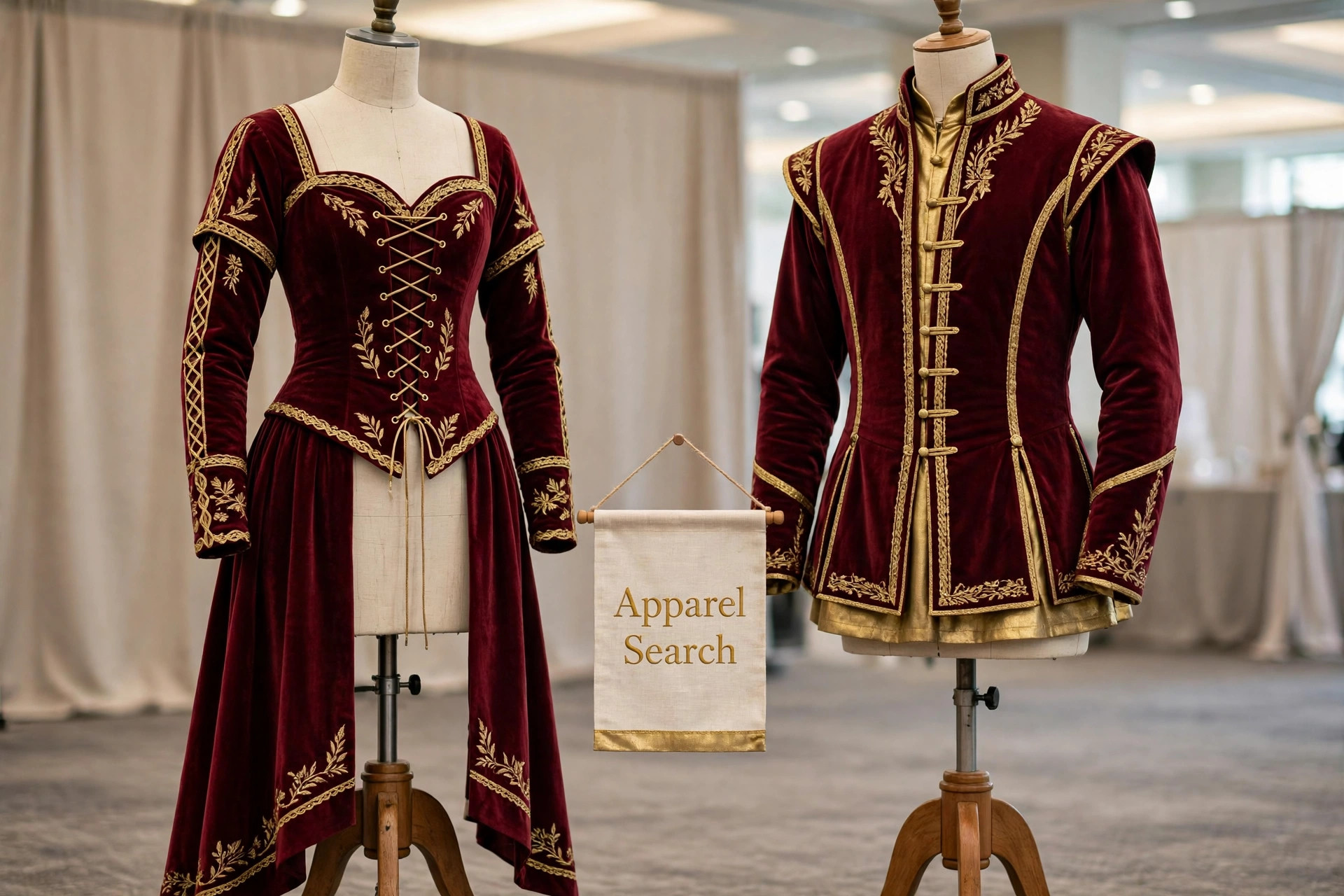
A couples costume succeeds when two outfits are clearly in conversation with each other. That conversation can be literal — matching characters from the same story — or visual: the same color story, the same era, or one shared element worn by both people. The visual route is the most flexible, because each person keeps a costume that suits them while the pairing stays obvious in photographs. Two pirates, a noble and their guard, matching medieval villagers in the same colors, or a classic Halloween pair in coordinated black and burgundy all work on the same principle.
Start from the concept list, then fit the costumes to the people, not the other way round. The wider most popular Halloween costumes roundup is a good source of proven pairings to adapt.
Effort Levels
Matching Effort Levels, Honestly
- Both all-in. Full coordinated costumes, planned together. The most photographed option, and the one that needs the earliest start.
- One all-in, one supporting. One elaborate costume and one simpler outfit in matching colors. Works when enthusiasm differs — which is most couples, most years.
- The shared-element minimum. Ordinary party clothes plus one identical element each: the same hat style, matching sashes, or coordinated colors. Ten minutes of planning, still unmistakably a pair.
Agree the level before anyone shops. Most couples-costume friction is not about taste; it is about one person building a three-week project while the other expected to wear a hat.
Planning as a Pair
Planning as a Pair: Fit, Budget and the Day Itself
Plan the practicalities together: total budget split across both outfits, who is making or ordering what, and a fitting for both costumes at least a week before the event, not the night before. Consider the venue as a pair, too — a costume combination that requires staying within arm's reach fails in a crowd, and anything inflatable, wide or trailing needs a partner who can help with doors, stairs and seating. For coordinated period looks, the Renaissance faire outfits hub and its women's and men's guides give pairs a shared wardrobe language to build from.
More to Explore
Good to Know
Common Questions
What makes a couples costume read as a pair?
One clear connection between the two outfits: the same characters' world, the same color story, the same era, or one identical element worn by both people. A single strong connection reads better in photographs than several weak ones, and it lets each person keep a costume that genuinely suits them.
What if my partner does not want to wear a full costume?
Use the shared-element minimum: everyday party clothes in coordinated colors plus one matching element each, such as the same style of hat, matching sashes or paired accessories. It photographs as a deliberate couple's look, takes minutes to assemble, and respects different enthusiasm levels.
When should couples start planning their costumes?
Four to six weeks before the event for bought or partly made costumes, and earlier for anything sewn. The milestones that matter are agreeing the concept and effort level first, ordering or making second, and a joint fitting at least a week ahead so fixes do not become emergencies.
Search Apparel Search