Men's Transparent Underwear Guide
Men's transparent underwear is underwear made from translucent fabrics - materials engineered to transmit light through the cloth itself, as distinct from open lattices (net) and fine sheers. This guide is strictly product-focused and neutral: the material families used, opacity as a specification, construction and lining choices, sizing and care for delicate cloth.
Shop Men's Transparent Underwear Now
Shop Men's Transparent Underwear on Amazon Shop Men's Transparent Underwear on eBayThe Amazon and eBay links on this page are affiliate links. If you make a purchase through them, Apparel Search may earn a commission.
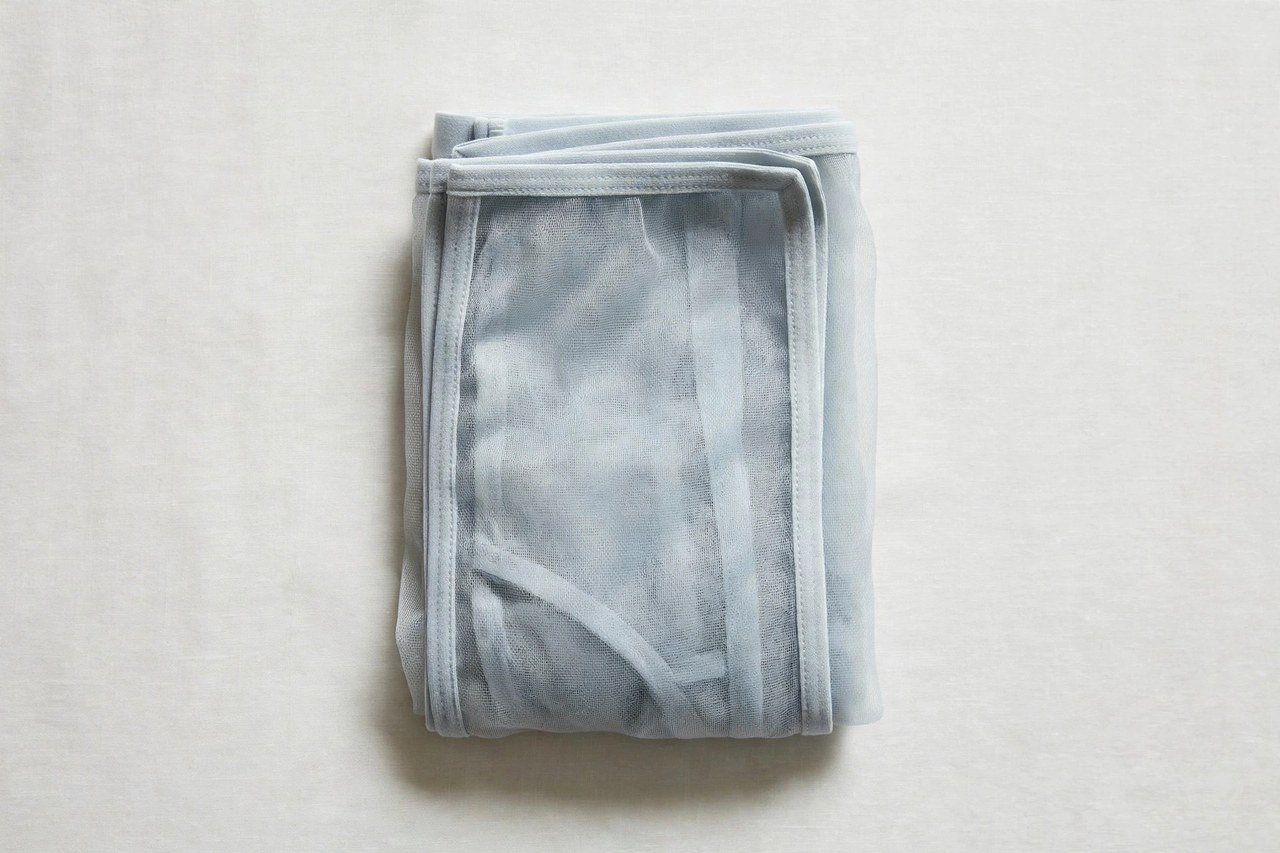
Men's transparent underwear is underwear made from translucent fabrics - materials engineered to transmit light through the cloth itself, as distinct from open lattices (net) and fine sheers. This guide is strictly product-focused and neutral: the material families used, opacity as a specification, construction and lining choices, sizing and care for delicate cloth. This guide walks through the choices that matter - style, fit, fabric and finish - with the practical detail a product listing rarely gives you, and closes with the care habits that keep the garment in service.
Styles and Construction
Transparency in fabric comes from thin, fine yarns and open-but-continuous weaves or knits: translucent microfiber knits, fine tulle and illusion fabrics, organza-type wovens in fashion pieces, and clear-film synthetics at the novelty end. Opacity is a spectrum makers rarely quantify, so product photos against skin-tone backgrounds and reviewer descriptions carry the information - and a garment's opacity changes when stretched, a specification worth remembering when sizing. Construction answers the fabric's fragility: bound edges, lined or doubled pouches for structure, and flat seams, because translucent cloth shows every internal detail including its own seam allowances - finishing quality is unusually visible in this category, which makes it a reliable quality signal. This family overlaps two siblings in this section: Sheer Underwear (fine, gauzy sheers) and See-Thru Underwear (the umbrella buying view); this guide's angle is the materials themselves and how opacity behaves.
The durable buying order is job, specification, budget - in that sequence. Decide what the garment must do, translate that into fiber, weight, construction and size numbers, and only then shop price. Read labels as specifications, inspect the garment inside out where finishing is unposed, and prefer the maker who publishes measurements to the one who publishes adjectives. A garment that matches your measurements, climate and laundry will be worn; one that misses any of the three becomes expensive storage.
Fit and Sizing
Size transparent styles by the maker's chart exactly, and remember the stretch-opacity trade: a smaller size stretches the fabric thinner and more transparent as well as tighter, so sizing changes the garment's fundamental character, not just its fit. Prefer the size that fits as a garment first. Fragile cloth also argues against using this category for high-friction activity, whatever the size.
Measure yourself once a year and keep the numbers - chest, waist, inseam, foot, head - because bodies drift gradually while size habits never do. Shop from measurements, try garments under real conditions (over layers, in your own shoes, late in the day for footwear), and be honest about alterations: lengths and small waist changes tailor beautifully; shoulders, rises and patterns are the garment you bought forever.
Wearing and Care
Treat translucent fabrics as delicates: hand wash or cold machine wash in a mesh bag, no bleach, line dry away from direct sun (UV degrades fine synthetics), and store folded without compression against rough surfaces. Snags and pulls distort the cloth's even transparency permanently, so keep these garments away from Velcro and hooks in both wear and laundry. Retire when the cloth clouds or ladders - the material's clarity is the product.
Five minutes when a garment comes off - shake it out, hang or fold it correctly, note the stain and the loose button - prevents most of the damage later blamed on quality. Keep a small kit where the clothes live: brush, lint roller, conditioner suited to your leathers, black, navy and grey thread. Clothing rarely dies at once; it fades by small neglects, and small attentions reverse the process at the same pace.
Common Questions
How is transparent underwear different from sheer underwear?
They are close cousins split by material behavior. Sheer fabrics (covered in the Sheer guide) are gauzy, matte and soft - transparency through fineness. Transparent fabrics in this guide's sense are clearer and more film-like or tulle-like, transmitting light with less diffusion. In shops the words are used loosely; judge by the cloth in hand - its clarity, stretch and edge finishing - rather than the label.
Does size change how transparent the fabric is?
Yes: any stretch fabric becomes more transparent as it is stretched over a larger area, because the yarns separate. A garment fitted a size small can be markedly clearer than the same garment fitted correctly. Buy your true size - in this category, sizing is also an opacity decision, and the maker's photos assume the intended fit.
How should transparent underwear be washed?
As a delicate: cool water, mesh bag, mild detergent, line dry in shade. The fine yarns that make the fabric clear also make it vulnerable to heat, bleach, abrasion and UV. Never tumble dry, and keep it out of loads with zippers and hooks. Treated this way the cloth keeps its clarity; treated as ordinary underwear it clouds and snags within a few washes.
More in Men's Clothes Guide U
Background and History
Transparency, transparence or transparent most often refer to transparency and translucency, the physical property of allowing the transmission of light through a material. See-through clothing is any garment of clothing made with lace, mesh or sheer fabric that allows the wearer's body or undergarments to be seen through its fabric. Undergarments are items of clothing worn beneath outer clothes, usually in direct contact with the skin. They obviously can be manufacturered with transparent fabrics. However, it is important to note that thin fabrics may not last as long as they may wear more quickly. Sheer fabric is fabric which is made using thin thread and/or low density of knit and which results in a semi-transparent and flimsy cloth. Some fabrics become transparent when wet. The sheerness of a fabric is expressed as a numerical denier which ranges from 3 (extremely rare, very thin, barely visible) to 15 (standard sheer for stockings) up to 30 (semi opaque) until 100 (opaque). Do you really want everything to be seen? Although possibly not
Looking for Men's Clothing Stores?
This guide explains men's transparent underwear. To browse where to buy, visit our men's clothing store directory, where you can find retailers that carry them.