Women's Crop Top Guide
A short top with long range — from barely-cropped tees that just meet high-waist jeans to bralette lengths, styled with proportion in mind.
Shop Women's Crop Tops Now
Shop Women's Crop Tops on Amazon Shop Women's Crop Tops on eBayThe Amazon and eBay links on this page are affiliate links. If you make a purchase through them, Apparel Search may earn a commission.
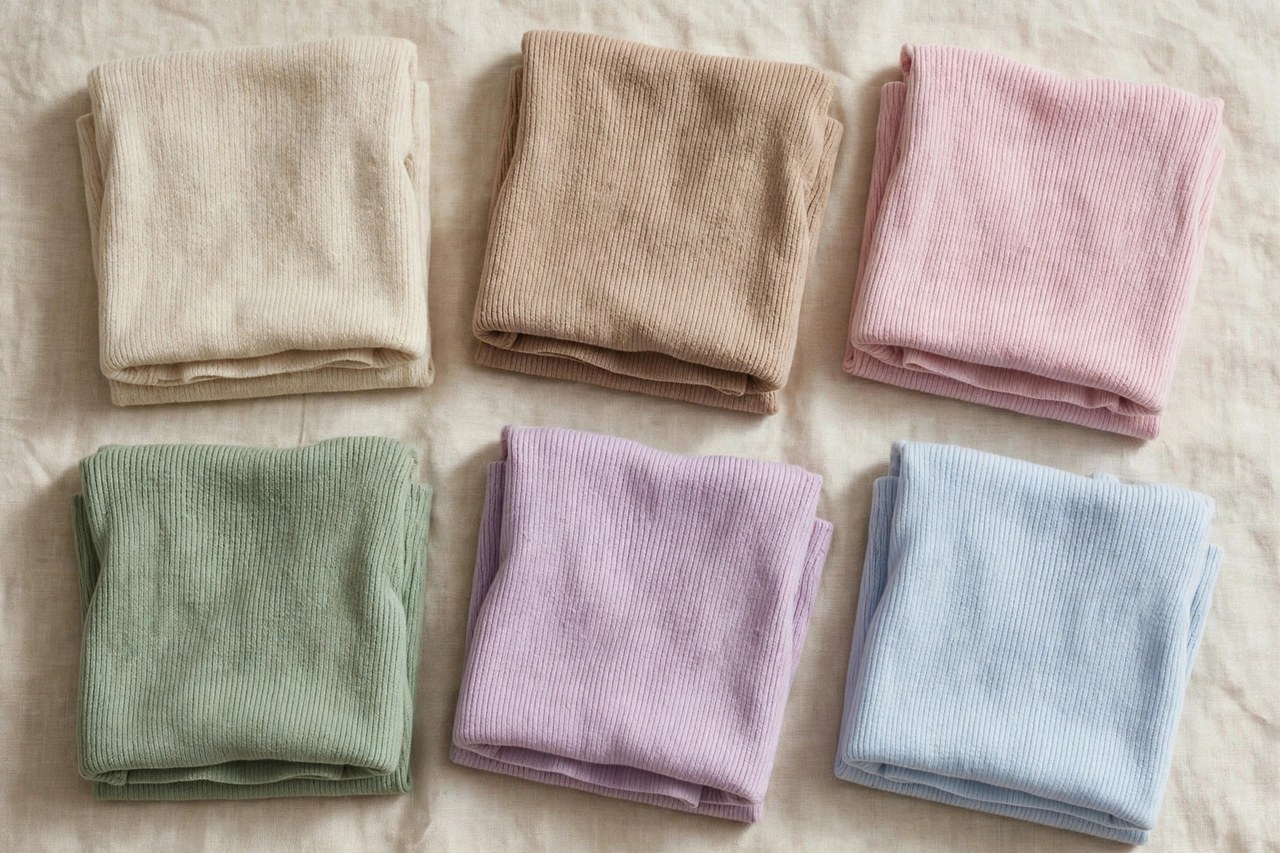
A crop top is any top cut short enough to end above the natural waist, showing some midriff or meeting the top of a high-waisted bottom. That simple definition covers a wide family: sporty cropped tees, ribbed tanks, fitted baby tees, cropped sweatshirts and hoodies, structured bustier and corset crops, knit cropped sweaters, and dressy satin styles made for evenings. The style has cycled through fashion for decades, from 1980s workout wear to 1990s pop culture to its current status as a wardrobe staple rather than a trend item. What makes a crop top work is never the top alone — it is the proportion between the top's length, the rise of the bottom worn with it, and the occasion. This guide breaks down lengths, fabrics, and pairings so the gap between top and trouser is always a deliberate choice, never an accident you spend the day adjusting.
Lengths: From Barely Cropped to Bralette
Crop lengths form a spectrum, and naming them helps you shop. The longest, often called a standard crop, ends at or just above the natural waist; worn with high-waist bottoms it shows little or no skin and reads almost like a regular top with a cleaner line. A mid crop ends a few inches above the waist, showing a band of midriff that widens when you sit or raise your arms. Short crops and bralette or bandeau lengths end just below the bust and belong to warm weather, festivals, layering under sheer or open pieces, and evening looks. Boxy crops hang straight from the shoulder rather than following the waist, which makes them the easiest entry point for anyone unsure about fit — the fabric skims instead of clinging. When shopping online, compare the stated garment length against your own torso measurement from shoulder to waist; a crop that is modest on a tall frame can be barely-there on a petite one, and vice versa.
Fabrics and Styles for Every Setting
Everyday crops live in cotton jersey, ribbed knit, and cotton-spandex blends, where a touch of stretch keeps the hem where you placed it. Ribbed knits look more finished than plain jersey and hold their shape through washing. Dressier settings call for structure: satin and crepe crops, bustier styles with boning and defined cups, lace crops over a lining, and knit crops with interesting necklines — square, halter, one-shoulder, or sweetheart. Cropped sweatshirts and hoodies bring the shape into loungewear and street style, usually boxy with a raw or banded hem. Check fabric weight before buying: a very thin crop in a light color can be translucent in daylight, and the shorter the top, the more its hem finish matters, since a rolling or wavy hem is right at eye level.
Styling With High-Waist Bottoms
High-waist bottoms are the crop top's design partner; the two were practically made for each other. High-waist jeans, trousers, and skirts rise to meet a standard crop, creating a defined waist and a long leg line with minimal or no skin showing. The proportion rule is simple: the shorter the top, the higher and more structured the bottom should be to balance it. With mid and short crops, high-waist wide-leg trousers or a maxi skirt keep the look elegant because the volume below balances the exposure above, while a short crop with low-rise bottoms is a deliberate, distinctly casual statement. Mom jeans and straight-leg jeans with a baby tee is the classic weekend formula; a ribbed tank crop with a high-waist midi skirt and sandals dresses up for dinner; a bustier crop with a high-waist satin skirt or tailored trousers handles parties. If you are new to the style, start with the standard crop and the highest rise you own — the combination flatters almost everyone and feels like a normal outfit that simply fits better.
Layering and Dressing for the Occasion
Layering is how crop tops work beyond summer. Under an open blazer, cardigan, or oversized shirt, a fitted crop becomes the neat base layer that prevents bulk at the waist — the layering trick stylists use constantly, because a full-length top tucked into high-waist trousers bunches, while a crop ends exactly where the trousers begin. Crops also layer over things: a sheer long-sleeve top under a crop tee, or a crop sweater over a collared shirt with the collar and hem showing, adds interest in cold weather. For dress codes, context decides: crops are at home at festivals, concerts, beaches, parties, and casual social events, while offices, formal occasions, and conservative settings call for the standard length, a high rise, and a jacket that can close over the top if the room demands it.
Fit, Comfort, and Care
Fit a crop top by its hem behavior. The hem should stay where you place it through reaching, sitting, and walking; a hem that constantly rides up or rolls is telling you the size or the fabric is wrong, and more stretch or one size up usually fixes it. Armholes on sleeveless crops should not gape, and bustier crops should be fitted like occasionwear — supportive without digging, with straps adjusted before you leave home. For care, wash knit crops in cold water and dry them flat or on a hanger to protect their length — a crop top that shrinks an inch has changed categories entirely. Treat elastic hems gently, since heat breaks down the stretch that keeps a hem anchored. A small rotation of well-fitting crops in black, white, and one or two colors will quietly anchor dozens of outfits.
Related Women's Guides
Photos

More to Explore on Apparel Search
Looking for Women's Clothing Stores?
This guide helps you choose women's crop tops by style, material and fit. To browse where to buy, visit our women's clothing store directory, where you can find retailers that carry them.