1980s Fashion
Fashion Terms — the Apparel Search fashion terminology directory
The 1980s were oversized and over-the-top: excess and materialism were cornerstones of the era, and the clothing matched — bulky shoulder pads, tight acid-wash jeans, neon colors and huge hairstyles. Shoulder pads returned in a super-sized version and the power suit reflected women's emerging status in the workplace; the Yuppie (Young Urban Professional) named the decade's ambitious dresser. Madonna set trends across hair, makeup, jewelry and clothes, and the fitness boom moved leg warmers, leotards and Lycra from the gym to the street, while punk fashion developed in parallel as a reaction against both hippie values and the decade's own materialism.
The 1980s was certainly a memorable decades when it comes to fashion. It is hard to forget the crazy leg warmers, bulky shoulder pads, and tight acid-wash jeans. Not to mention the neon clothes and huge hair styles.
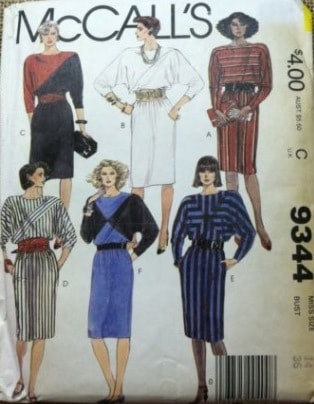
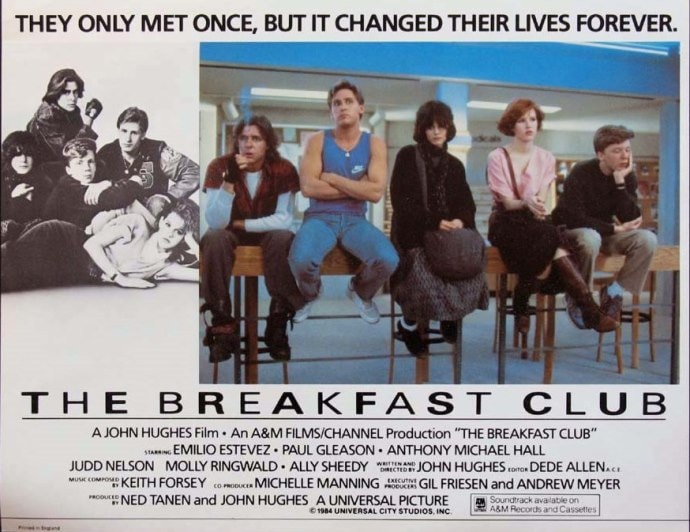
A good way to take a glimpse into the past is to watch a few of the cult favorite movies from the 80’s such as Flashdance, The Breakfast Club, Footloose, and Ferris Bueller’s Day Off. Also, you should most definitely see Desperately Seeking Susan which came out in 1985. Madonna was a huge trend setter during this decade. If you want to consult the music industry, make sure to check out George Michael and Boy George during this time period.
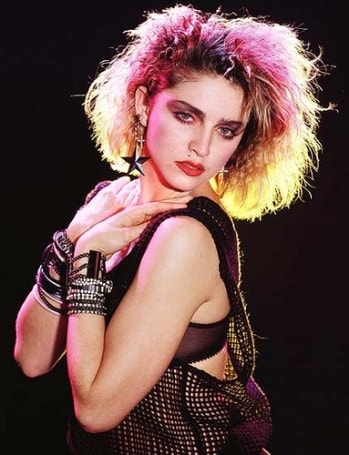
The lifestyle & clothing of the 80’s was oversized and just plain over-the-top. Excess and materialism were cornerstone of the era. The term “Yuppie” was coined as an acronym for the Young Urban Professional.
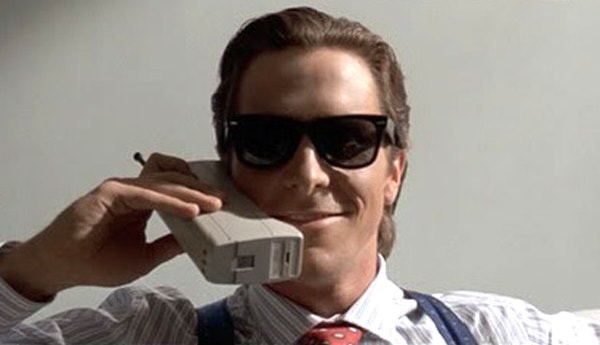
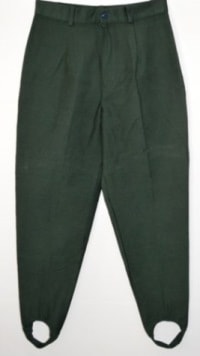
Do you remember the Try stirrup pants? Stirrup pants were one of the more unfortunate 80s trends.
Shoulder pads returned to fashion in a super-sized version, and the
“power suit” reflected women’s emerging status in the workplace.
Bedazzled evening wear studded with sequins and beads became popular.
Hair was permed, teased and coiffed to massively large proportions and extravagance. Hair in the 1980s was generally big, curly, bouffant and heavily styled.
Makeup was bold and colorful. Women from the 1980s wore a heavy and bright makeup. Everyday fashion makeup in the '80s comprised having light-colored lips, dark and thick eyelashes, pink and light blue blusher.
Jewelry of the era, which featured large statement necklaces and long, dangling earrings which grazed the shoulders. Just take a look at Madonna photos to get an idea of what I am talking about if you don’t believe me.
Madonna was the queen of 80's hair, makeup, jewelry, fashion, and style (not to mention music, movies, and dance).
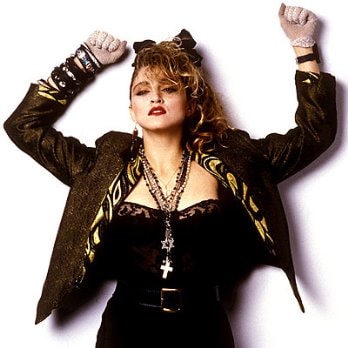
The fitness boom of the 1980s, as part of this self-conscious and self-indulgent decade, spawned a fashion trend that took dance and exercise wear from the studio and gym to the runway and the street. Jane Fonda sported neon leotards and leg warmers in her exercise videos and women soon embraced them as functional fashion. The movie Perfect featuring John Travolta and Jamie Lee Curtis was another fine example of how fitness was important in 1985. Plenty of aerobics and aerobics clothing on display in that film. Cher was also in on the fitness fashion craze.
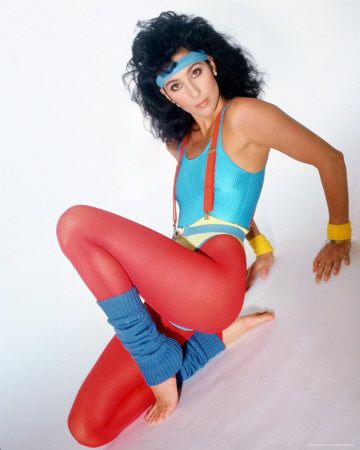
The aerobics craze influenced designer fashion with Lycra, Spandex, and other body hugging fabrics. The movie Flashdance inspired women to wear tight leggings paired with oversized, baggy sweatshirts with the necklines cut to drape casually off one shoulder. Jogging or track suits became socially acceptable as casual day wear (which never should have happened).
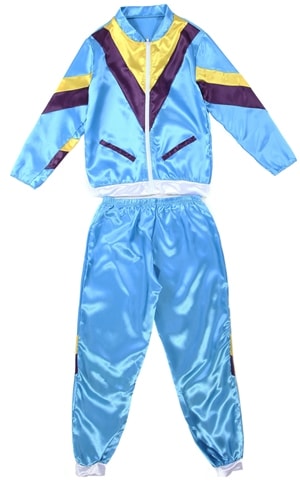
The 1980s fashion had heavy emphasis on expensive dressing and fashion accessories. Apparels tended to be overly bright and vivid in appearance. Punk fashion began as a reaction against both the hippie movement of the past decades and the materialist values of the current decade.
About Punk Fashion from the 1980's:
In the 1980s, new fashion styles developed as parallel resurgences occurred in the United States and United Kingdom. What many recognize as typical punk fashions today emerged from the 1980s British scene, when punk underwent its Oi!/street punk, and UK82 renaissance. The US scene was exemplified by hardcore bands such as Black Flag, Minor Threat, and Fear. The 1980s American scene spawned a utilitarian anti-fashion that was nonetheless raw, angry, and intimidating. However, elements of the 1970s punk look never fully died away.
Some of the following clothing items were common on both sides of the Atlantic Ocean, and some were unique to certain geographic areas. footwear that was common in the 1980s punk scene included Dr. Martens boots, motorcycle boots and combat boots; sometimes adorned with bandanas, chains or studded leather bands. Jeans (sometimes dirty, torn or splattered with bleach) and tartan kilts or skirts were commonly worn. Leather skirts became a popular item for female punks. Heavy chains were sometimes used as belts. Bullet belts, and studded belts (sometimes more than one worn at a time) also became common. Some punks bought T-shirts or plaid flannel shirts and wrote political slogans, band names or other punk-related phrases on them with marker pens. While this was not without precedent in the 1970s, the depth and detail of these slogans were not fully developed until the 1980s. Silkscreened T-shirts with band logos or other punk-related logos or slogans were also popular. Studded, painted and otherwise customized leather jackets or denim vests became more popular during this era, as the popularity of the earlier customized blazers waned. Hair was either shaved, spiked or in a crew cut or Mohawk hairstyle. Tall mohawks and spiked hair, either bleached or in bright colors, took on a more extreme character than in the 1970s. Charged hair, in which all of one's hair stands on end but is not styled into distinct spikes, also emerged. A hairstyle similar to The Misfits' devilocks was popular. This involved cutting a mohawk but leaving a longer tuft of hair at the front of the head. It is still popular to this day in the Horror-Punk scene. Body piercings and extensive tattoos became very popular during this era, as did spike bands and studded in chokers.
About Skirts from the 80's:
From 1987 onwards, the short skirt was the only supported length by fashion designers. Although skirts of any length were acceptable to wear in the years before, all attention was given to the short skirt, especially among teenage girls and young women. Shoulder pads became increasingly smaller as we moved toward the end of the decade.
Learn more about a few movies that help capture the clothing style of this important decade:
The Breakfast Club
Footloose
Flashdance
Desperately Seeking Susan
In the 1980s, cutoff crop tops became more common as part of the aerobic craze and as a result of the popularity of the movie Flashdance. Singer Madonna wore a mesh crop top in her video for the song Lucky Star. It became common for women to crop sections of workout wear, such as sleeves, collars, and the hem of the shirt to create a loose-fitting top which was often worn over a body suit or tank top. Crop tops were also often paired with low-slung belts in the 1980s, angled at the side of the hip.
The decade had a great deal of good and bad...
Toward the later half of the 1980's grunge fashion started to became popular.
More fashion decades:
Power Dressing and the Short Skirt
The workplace was the decade's runway. As women's status in offices rose, the power suit — with shoulder pads that only shrank toward the decade's end — turned authority into a silhouette, and expensive dressing with conspicuous accessories became the professional norm the Yuppie label described. Hemlines told the other half of the story: from 1987 onward the short skirt was the only length fashion designers fully supported, especially for teenage girls and young women, even though skirts of any length remained acceptable to wear.
The Decade on Screen
The fastest way to see 1980s fashion whole is through its films: The Breakfast Club, Footloose, Flashdance, Ferris Bueller's Day Off and Desperately Seeking Susan each froze a different slice of the decade's dressing, from detention-hall archetypes to Madonna's layered street style. Music carried the same influence — George Michael and Boy George were reference points alongside Madonna — which is why the photographs on this page, from aerobics leg warmers to track suits, read as a cast of characters as much as a catalog of clothes. The grunge page linked here picks the story up where the 1980s left it.
Common Questions
What are the signature 1980s fashion items?
Super-sized shoulder pads and power suits, leg warmers, acid-wash jeans, neon clothing, stirrup pants, bedazzled and sequined evening wear, and track suits worn as casual day wear — finished with big, heavily styled hair and bold, colorful makeup.
How did fitness shape 1980s fashion?
The aerobics craze took dance and exercise wear from the studio to the runway and the street: Jane Fonda's neon leotards and leg warmers in her exercise videos, Flashdance's off-the-shoulder sweatshirts over leggings, and Lycra and Spandex body-hugging fabrics throughout designer fashion.
What did 1980s punk fashion look like?
A utilitarian anti-fashion on both sides of the Atlantic: Dr. Martens, motorcycle and combat boots, torn or bleach-splattered jeans, tartan kilts, leather skirts, chains and studded belts, slogan T-shirts, customized leather jackets, mohawks and spiked or charged hair, piercings and tattoos.