Women's Luxury Knits Guide
Where knitwear meets luxury: the fibers, gauges and hand-finishing that separate a cashmere heirloom from an ordinary sweater.
Shop Women's Luxury Knits Now
Shop Women's Luxury Knits on Amazon Shop Women's Luxury Knits on eBayThe Amazon and eBay links on this page are affiliate links. If you make a purchase through them, Apparel Search may earn a commission.
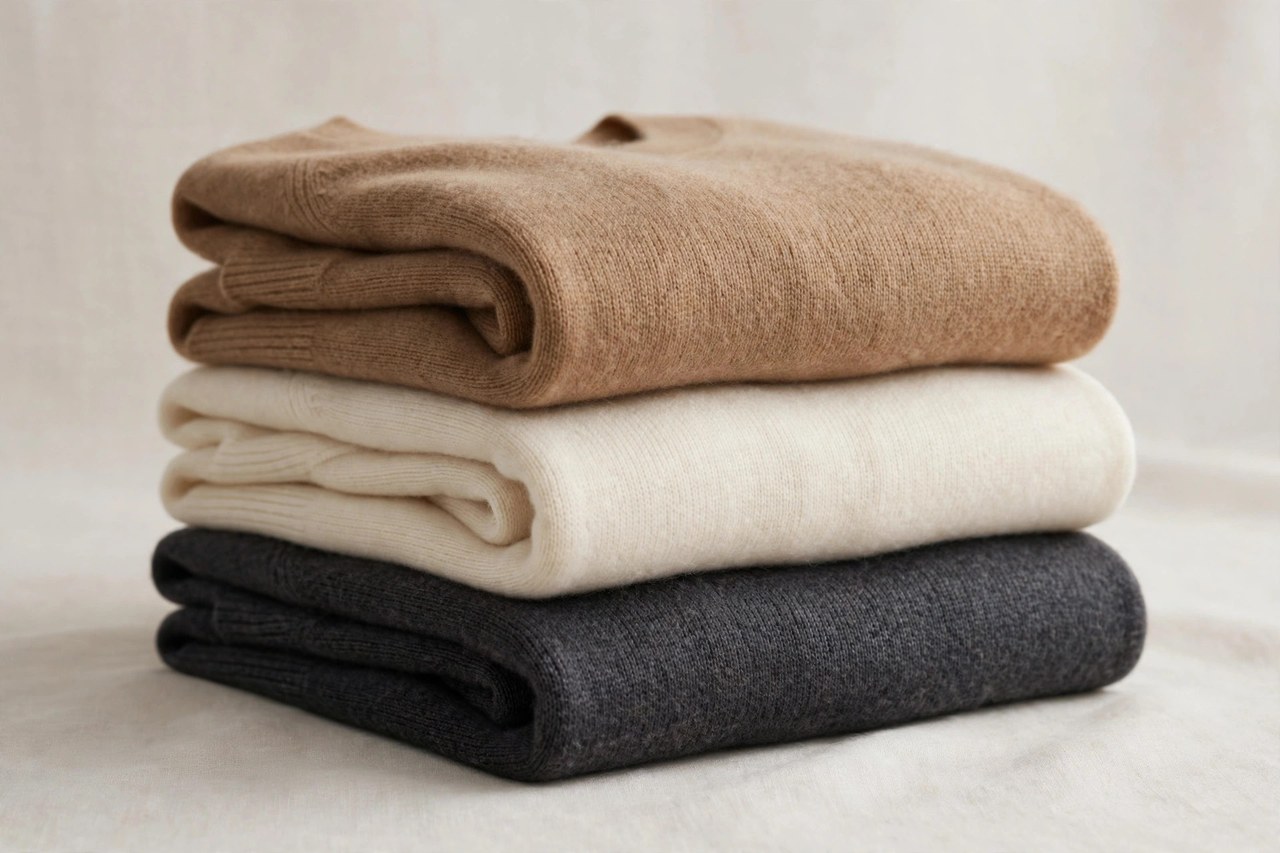
Luxury is the state of great comfort and extravagant living; in fashion, luxury typically comes at a high cost, and part of the concept is that the higher cost allows for higher quality materials, trimming and sewing. Women's luxury fashion is often sewn by hand — though not always — and luxury brands spend a great deal of time and money making sure consumers understand the brand is luxurious: Chanel, Louis Vuitton, Hermès, Dior, Prada, Burberry and Versace are among the best-known names, and knitwear is where their craft shows quietly.
Women's knit clothing can be made from a wide variety of fibers and knit constructions; knitwear is essentially any knitted garment, and knitted fabric is a textile that results from knitting. This guide is about the luxury end of that spectrum: the fibers and finishing that justify the word, how to judge them in a shop, and how to keep them for decades.
The Fibers
Cashmere is the headline fiber: the downy undercoat of the cashmere goat, combed rather than shorn, with a single scarf's worth of fiber requiring several animals' annual yield. Long-staple cashmere (fibers over 34mm) pills less and lasts longer — it is the difference between a sweater that improves with age and one that looks tired by February. Extrafine merino is the workhorse luxury yarn, elastic and temperature-regulating. Silk and silk blends add luster and drape; alpaca adds warmth without weight; vicuña sits beyond luxury into legend.
Grade honestly: a “cashmere blend” with 5% cashmere is marketing, not luxury. Look for high percentages of the named fiber, multi-ply yarns for body (a 4-ply cashmere is a serious garment), and tight, even knitting — hold the knit to the light; a luxury knit is dense and regular, not gauzy.
Construction and Hand-Finishing
Luxury knitwear is usually fully-fashioned: each panel is knitted to shape rather than cut from yardage, leaving no raw edges to unravel and producing those small fashioning marks at the armhole that connoisseurs check for. Seams are linked stitch by stitch — often by hand on a linking machine — so they lie flat and flexible instead of being overlocked into ridges.
Hand-finishing shows in the details: hand-rolled collars, mother-of-pearl buttons sewn with a shank, reinforced buttonholes, and hand-looped necklines. These are the “trimming and sewing” costs our definition of luxury points to, and they are exactly what a fast-fashion copy omits while keeping the photograph similar.
Fit and Styling
A luxury knit should skim, not cling: the fabric's drape is the luxury, and squeezing it into a tight fit hides the very quality you paid for. Classic crew, V and turtleneck shapes in camel, ivory, grey and navy form the permanent wardrobe; fashion colors are for second purchases. Tucked into tailoring, thrown over a slip dress, or worn alone with trousers and loafers, a fine knit is the quietest form of elegance there is.
The category connects outward to the rest of luxury dressing — links to haute couture, bespoke and high-end fashion terms go deeper into what the words mean.
Care: Protecting the Investment
Fold luxury knits with acid-free tissue; never hang them. Wash rarely, by hand or in a specialist bag on a wool cycle, with cashmere shampoo; dry flat on a towel. De-pill with a cashmere comb — some pilling in the first wears is normal as short fibers leave; persistent heavy pilling signals short-staple yarn. Store clean (moths eat dirty knitwear first), with cedar or in sealed boxes, and rest each sweater at least a day between wears. A great cashmere knit cared for this way is a twenty-year garment, which is the only honest arithmetic of luxury.
Related Women's Guides
Photos

More to Explore on Apparel Search
References & Further Reading
Looking for Women's Clothing Stores?
This guide helps you choose women's luxury knitwear. To browse where to buy, visit our women's clothing store directory, where you can find retailers that carry them.