Brunei Clothing Customs
Importing apparel and textiles into Brunei - the department, its mission and the process
Clothing entering Brunei is handled by one of the country's oldest government departments. The Royal Customs and Excise Department - previously known as the Customs and Bea Department - was established in April 1906, and it has administered Brunei's customs and excise work ever since. For an apparel brand, importer or retailer bringing garments into Brunei, this department is the authority that collects the revenue on imported goods and oversees the customs services those goods pass through.
This guide sets out what the department is, where it sits in government, and the mission it works to - because that mission tells an importer a great deal about what to expect at the border: effective revenue collection, services conducted in a responsible, transparent, fair and clear manner, support for economic growth, and compliance with national laws and regulations. Duty rates and entry requirements change over time, so confirm the current rules for your specific goods with the department or a local agent before shipping.
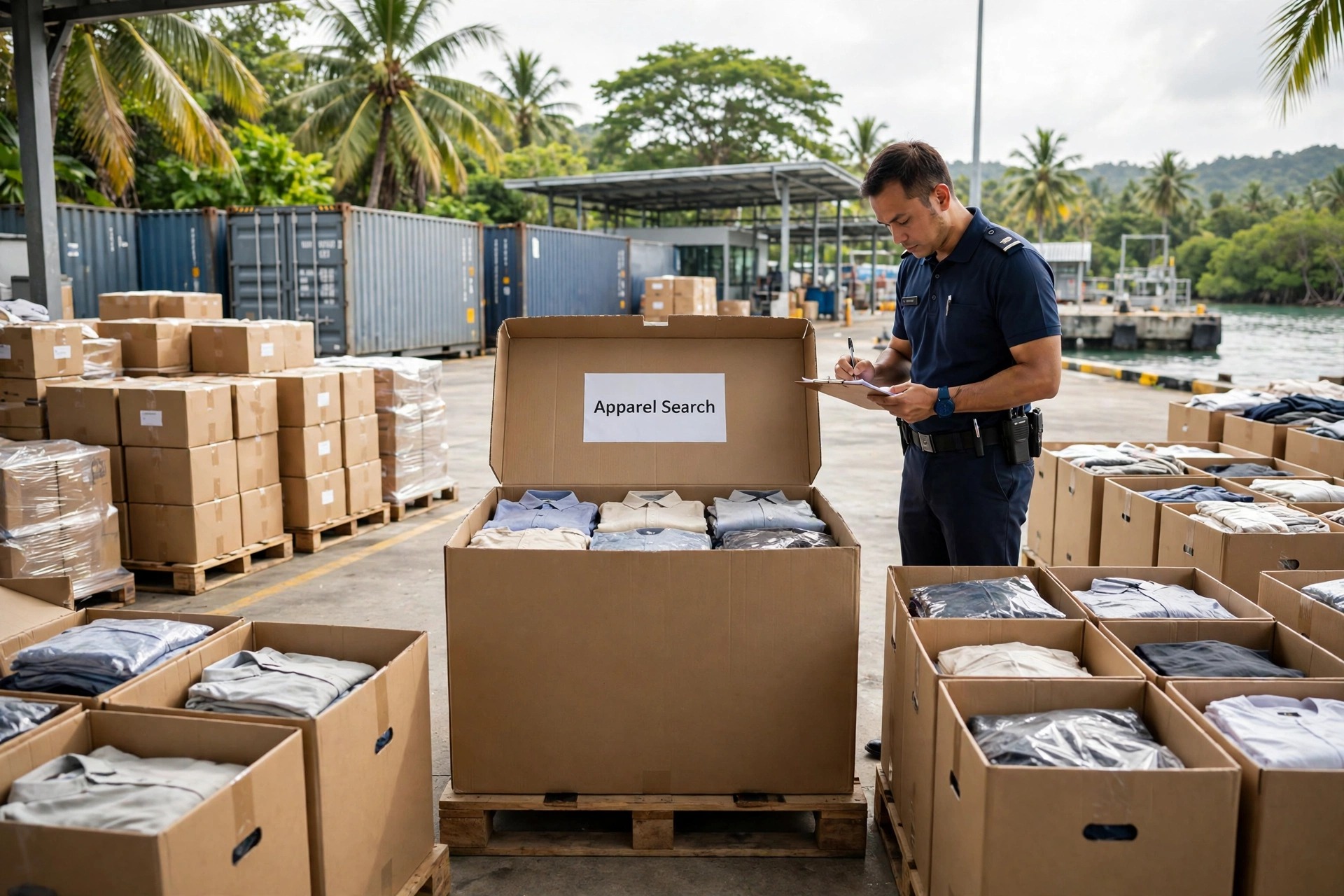
One of Brunei's Oldest Departments
The department's history reaches back to April 1906, which makes it one of the oldest government departments in Brunei - already over 90 years old when its history was summarised for traders. It began under the name Customs and Bea Department and is now known as the Royal Customs and Excise Department, a change of title that reflects the breadth of the modern role: customs work on goods crossing the border, and excise work on the duties charged within it.
Longevity matters in a customs administration. A department that has operated continuously since 1906 carries established procedures, an established body of practice, and an established relationship with the trading community it serves. For a clothing importer, that means the process for bringing garments into Brunei is a settled one - the task is to learn it and follow it accurately, not to negotiate it.
Under the Ministry of Finance Since 1984
The Royal Customs and Excise Department sits under the Ministry of Finance, and has done since 1984. That placement explains the department's character: customs in Brunei is administered as part of the state's finance machinery, with revenue collection at the centre of the job. Imported clothing, like other imported goods, is a revenue event as well as a border event, and the paperwork an importer files feeds directly into the national accounts.
For traders, the practical consequence is that accuracy in declared values, quantities and descriptions is not a formality. A declaration is the basis on which revenue is assessed, so errors that might look minor - a rounded quantity, a loosely worded garment description - create real discrepancies in a finance-led system. Importers who keep their commercial invoices, packing lists and declarations consistent with one another give the department exactly what its structure asks for.
The Mission Importers Deal With
The department's mission is to ensure that revenue collection is effectively carried out and that customs services are conducted in a responsible, transparent, fair and clear manner - simultaneously supportive of economic growth, and in compliance with national laws and regulations. Each part of that sentence carries something an apparel importer can use.
Transparent, fair and clear is a service promise: the same rules applied the same way, with requirements that can be known in advance. Supportive of economic growth is a statement of intent toward legitimate trade - a small, trade-dependent economy has every reason to keep lawful imports moving. And compliance with national laws and regulations is the boundary condition: the welcome for trade operates inside Brunei's law, so an importer's job is to arrive with goods and documents that fit it. Read together, the mission describes a border that rewards preparation and consistency.
Preparing a Clothing Shipment for Brunei
Preparation for Brunei follows from the department's revenue and fairness focus. Declare garments precisely - garment type, fibre content, quantity and value - and keep every document in the consignment telling the same story, from the supplier's invoice to the packing list to the customs declaration itself. Where a product sits near a legal boundary, such as labelling, composition or restricted categories, resolve the question before the goods leave rather than at the border, because the department's compliance duty leaves it little room to improvise.
It is also worth planning around Brunei's scale. This is a compact market served by a single national customs administration, which makes relationships and reliability valuable: a trader who files cleanly and consistently becomes a known, low-friction importer. Confirm the current duty treatment and documentation requirements for your specific clothing lines with the Royal Customs and Excise Department or an experienced local agent before each shipping programme, since rates and rules change and this guide describes the department and its mission rather than a current tariff schedule.
Common Questions
Which department handles clothing imports into Brunei?
The Royal Customs and Excise Department handles Brunei's customs work. Previously known as the Customs and Bea Department, it was established in April 1906, making it one of the oldest government departments in Brunei, and it has sat under the Ministry of Finance since 1984.
What is the mission of Brunei's Royal Customs and Excise Department?
Its mission is to ensure that revenue collection is effectively carried out and that customs services are conducted in a responsible, transparent, fair and clear manner, simultaneously supportive of economic growth, and in compliance with national laws and regulations.
What should a clothing importer prepare for Brunei customs?
Accurate, consistent documentation: precise garment descriptions with fibre content, quantities and values declared the same way across the invoice, packing list and declaration. Because the department is finance-led and revenue-focused, declaration accuracy is central, and current duty treatment should be confirmed before shipping.
More to Explore
Return to the Customs & Import Guide main page for customs information on other countries and the full import guide:
Customs & Import Guide