Dubai Clothing Customs
Importing apparel and textiles into Dubai - the authority, the process and the preparation
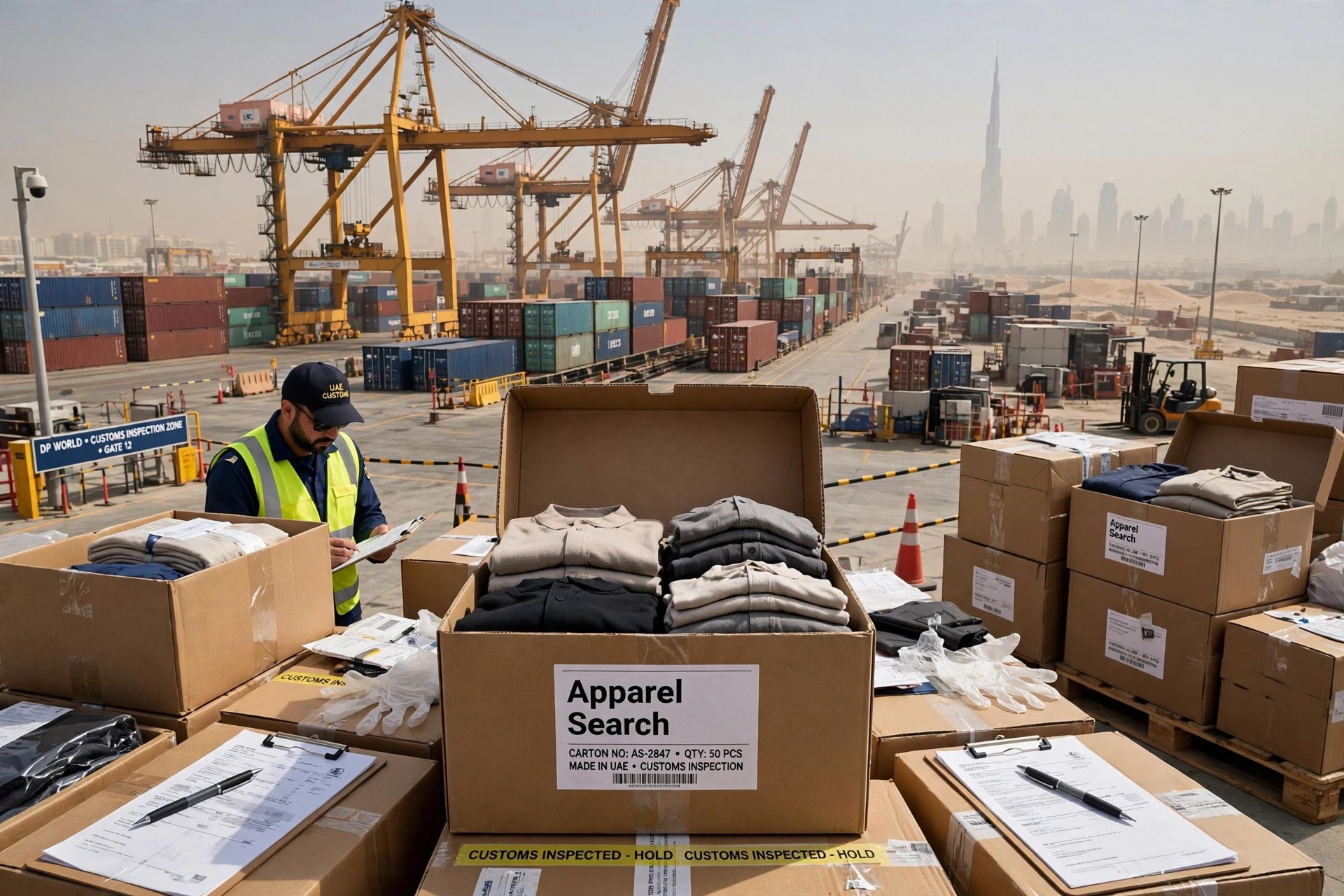
Clothing shipped into Dubai is cleared by Dubai Customs. For an apparel brand, importer or retailer, that authority sets the requirements the goods must meet, assesses the duties and taxes on them, and decides which consignments to examine before release. This guide explains who the authority is, what its record shows about how it works, and how a clothing shipment moves through its system.
The sensible first step is the one Dubai's own customs resources recommend: contact the customs office and learn the country's current requirements for your specific goods before you ship. Duty rates and entry rules change over time; what follows describes the authority, its history and the clearance process in the terms that matter to the clothing trade.
Start Here
The Customs Authority for Dubai
Dubai Customs describes a role that has changed remarkably: from duty collection to partnership in global trade, with information technology applied across the various customs sectors. Its vision is continuous improvement and excellence, and its mission is to make every effort to provide world-class customs services.
What the Record Shows
That partnership model matters to the apparel trade because Dubai is a re-export hub: garments routinely enter, are consolidated or held, and move on to markets across the Gulf, East Africa and South Asia. A customs administration organised around trade facilitation and IT-based processing is built for exactly that flow, provided the trader's own data is accurate and complete.
How a Clothing Shipment Is Cleared in Dubai
Release is the end of a chain that starts at the supplier's packing bench. Customs in Dubai works from the entry the trader files, and the entry works from the invoice, and the invoice works from what was actually packed. A discrepancy introduced at any earlier link - a miscounted carton, a fibre content described loosely - travels down the chain and surfaces at the border, where it is most expensive to fix.
A clothing shipment is cleared on its documents before it is cleared on its goods. The declaration describes each garment line - what it is, what it is made of, how many, and what it is worth - and the commercial invoice, packing list and transport document must tell the same story. Where the documents agree, clearance is a process; where they disagree, it becomes an investigation, and the goods wait while it runs.
Preparing a Clothing Shipment
The cheapest customs work is done at origin: samples checked against the specification, labels verified against the market's rules, quantities counted twice. Arrive in Dubai with a file that answers questions before they are asked, and confirm the current requirements for your specific goods with the customs authority or an experienced local agent, since rates and entry rules change over time.
More Customs Guides
Common Questions
How does Dubai Customs describe its role?
Dubai Customs says its former role has undergone a remarkable change from duty collection to partnership in global trade, particularly in relation to IT in the various customs sectors, with a mission of providing world-class customs services.
Why do clothing traders route goods through Dubai?
Dubai works as a re-export hub for the Gulf, East Africa and South Asia: apparel can enter, be consolidated and move onward. That model depends on accurate declarations and complete data filed with Dubai Customs.
What should a clothing importer prepare before shipping to Dubai?
Documents that agree with each other: a precise commercial invoice, a packing list matching the cartons, and fibre content, quantities and values stated the same way on every document and label. Confirm the current requirements for your specific goods with Dubai Customs or a licensed broker before the goods leave.
References & Further Reading
More to Explore
Return to the Customs & Import Guide main page for customs information on other countries and the full import guide:
Customs & Import Guide