Garment Industry Data Sources
Where to find statistics and data about the garment industry
The fashion industry is a global industry in which designers, manufacturers, merchandisers and retailers around the world collaborate to design, manufacture and sell clothing, shoes and accessories — an industry characterized by short product life cycles, erratic consumer demand, an abundance of product variety and complex supply chains. Measuring it takes more than one kind of source. This guide collects the data sources for the garment industry: government statistics and registries, open-data portals, research institutes and commercial analytics firms, together with the research resources gathered on Apparel Search itself.
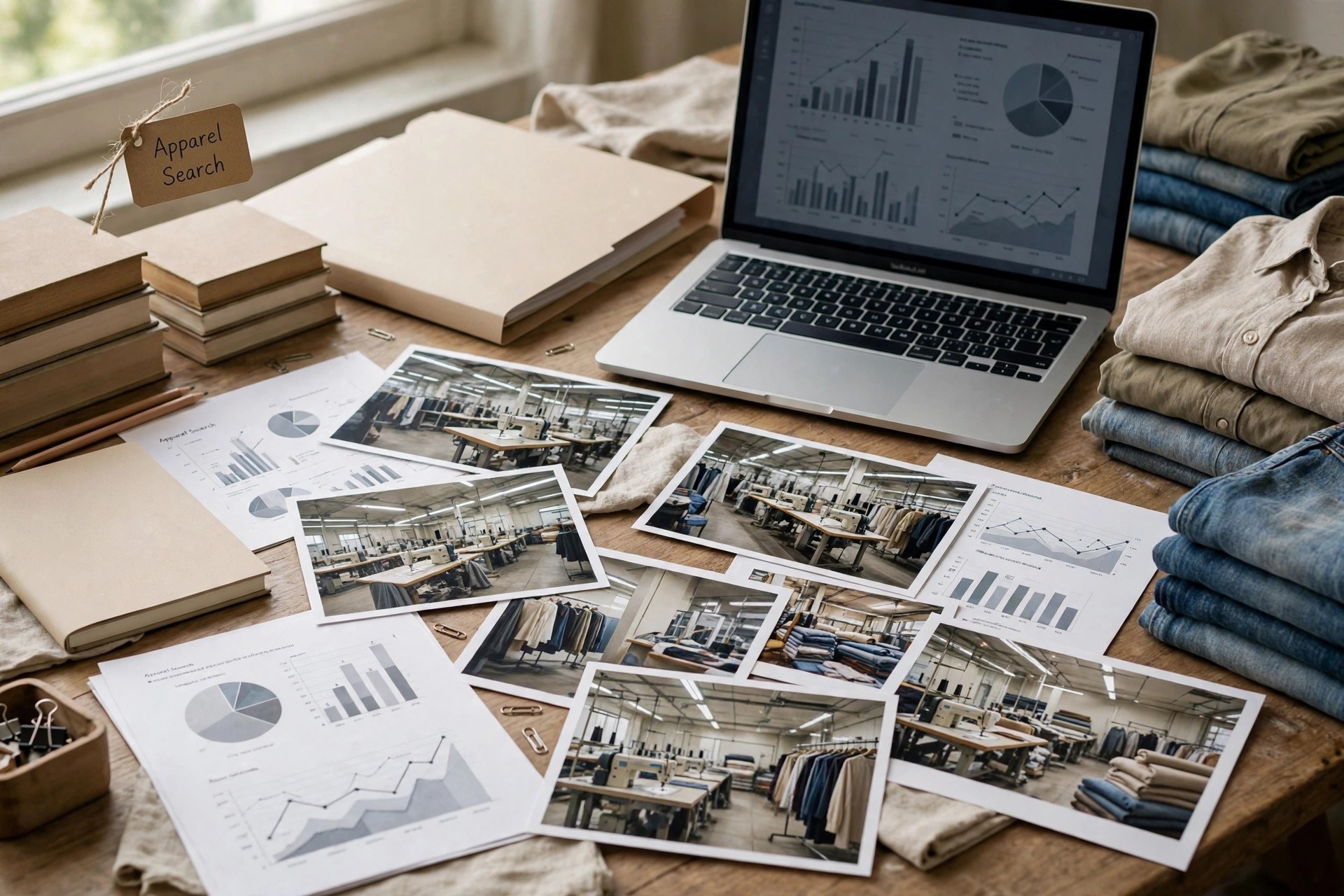
The fashion industry is a global industry, where fashion designers, manufacturers, merchandisers, and retailers from all over the world collaborate to design, manufacture, and sell clothing, shoes, and accessories. The industry is characterized by short product life cycles, erratic consumer demand, an abundance of product variety, and complex supply chains.
Statistics and information about the fashion industry: Fashion Industry Statistics
Learn about the apparel industry by using data sources from around the web.
USA Data: U.S. Bureau of Labor Statistics Fashion
Department of Industrial Relations Garment Manufacturers & Contractors Registration Database (California)
Helpful resource:
Statistic Brain Research Institute Fashion Industry
The NPD Group: The NPD Group offers data, industry expertise, and prescriptive analytics to help you grow your business in a changing world. With offices in 27 cities across the Americas, Europe, and Asia-Pacific, we help you measure, predict, and improve performance across all channels.
Resources here on Apparel Search:
Clothing Industry Resources Blog Post
Thank you for using the Apparel Search website.
Government and Open Sources
The United States Bureau of Labor Statistics' fashion spotlight is the starting point for labor-side data on the industry, and California's Department of Industrial Relations maintains the Garment Manufacturers & Contractors Registration Database — a working registry of the state's garment contractors that doubles as a research source on the contracting structure of the Los Angeles industry. Data.gov opens the federal data catalog generally, the School of Data teaches the methods for working with such sources, and the Statistic Brain Research Institute and Praescient Analytics publish compiled fashion industry statistics and garment industry analysis. These sources share a virtue and a limit: they are free and inspectable, but each covers the slice of the industry its publisher measures, so the global, short-cycle, variety-heavy character of the trade has to be assembled from several of them at once.
Commercial Analytics and the Apparel Search Collection
The NPD Group — now Circana — offers data, industry expertise and prescriptive analytics to help businesses measure, predict and improve performance across all channels, with offices in 27 cities across the Americas, Europe and Asia-Pacific; commercial panels of that kind supply the consumer-purchase detail government surveys cannot. On Apparel Search, the companion resources are the fashion industry statistics directory, the government resources collection, the apparel research reports guide, financial information and the education books section, plus the clothing industry resources blog post. A sound research workflow runs in that order: frame the question with the free registries and government series, then use commercial analytics for the channel-level detail, checking each figure's population and period before comparing it with any other.
Common Questions
What is California's garment registration database?
The Department of Industrial Relations maintains the Garment Manufacturers & Contractors Registration Database, a registry of California garment manufacturers and contractors that also serves as a research source on the industry's contracting structure.
What does the NPD Group provide for the fashion industry?
The NPD Group, now Circana, offers data, industry expertise and prescriptive analytics to help businesses measure, predict and improve performance across all channels, with offices in 27 cities across the Americas, Europe and Asia-Pacific.
Why does garment industry research need multiple data sources?
The industry is global, with short product life cycles, erratic consumer demand, abundant product variety and complex supply chains, and each source measures only its own slice, so a complete picture is assembled from government, registry, open-data and commercial sources together.
More to Explore
- Fashion Industry Statistics
- apparel industry
- U.S. Bureau of Labor Statistics Fashion
- Garment Manufacturers & Contractors Registration Database
- School of Data
- Statistic Brain Research Institute Fashion Industry
- Praescient Analytics
- Data.gov
- The NPD Group
- Clothing Industry Resources Blog Post
- Government Resources
- Apparel Research Reports
- Financial Information
- Education via Books
- Education