Sustainability Certifications
Fair Trade Certification for Apparel & Textiles
Fair prices, funded premiums and audited workplaces — what Fair Trade Certified and the Fairtrade Textile Standard actually verify in clothing
Most clothing is bought in a chain of hard bargains. Brands negotiate prices down, factories squeeze costs, and the pressure lands on the people with the least power in the system — the farmers who grow the fiber and the workers who sew the garments. Fair Trade certification exists to put a floor under that process. It sets minimum economic terms for producers, adds a premium that farmers and workers control themselves, and backs both with labor and environmental standards checked by independent auditors.
Apparel is one of the youngest Fair Trade categories. Coffee and cocoa built the movement, but the same model now reaches cotton fields, spinning mills and sewing factories — which means a shopper can meet Fair Trade claims on a T-shirt for several different reasons. This guide explains the two systems behind the labels, what each one covers, and how to read the claim on the tag.
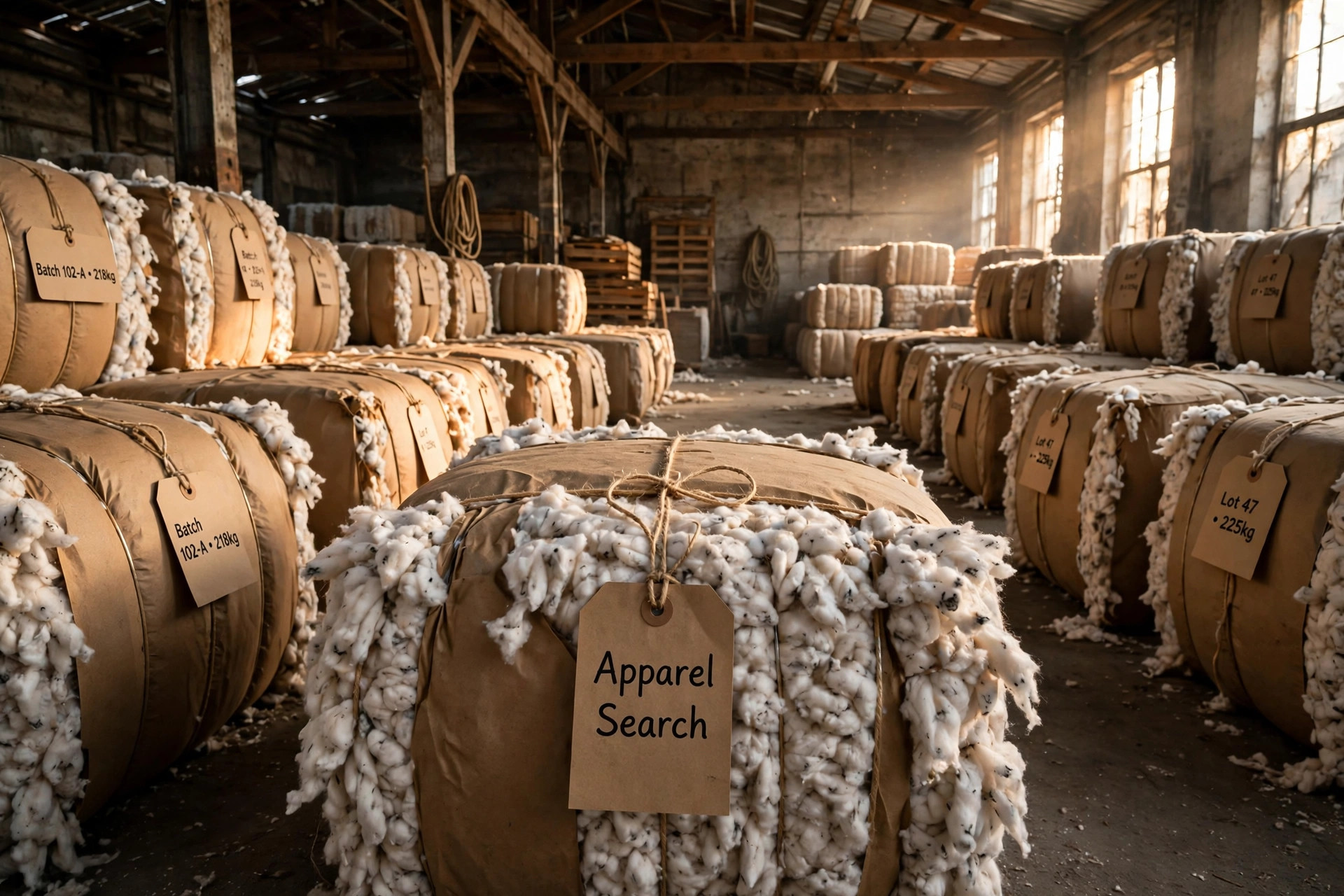
Fair Trade certification, defined: third-party certification that a product was produced and traded under standards guaranteeing fairer economic terms for farmers and workers — including minimum prices or wage requirements, an additional premium for community investment, safe working conditions and environmental safeguards — verified by independent audits along the supply chain.
Two Systems, One Idea
"Fair Trade" on clothing usually comes from one of two organizations. Fair Trade Certified is the label of Fair Trade USA, the American certifier whose seal appears on apparel sewn in certified factories and on garments made with certified cotton. Its apparel program centers on the factory: wages, working hours, safety, worker representation and a premium paid into Community Development Funds that workers vote how to spend.
Fairtrade International coordinates the global Fairtrade system behind the FAIRTRADE Mark. For textiles it works at two levels: Fairtrade Cotton, which certifies the fiber and guarantees cotton farmers a minimum price plus a Fairtrade Premium, and the Fairtrade Textile Standard, which extends requirements across the whole production chain — from ginning and spinning through dyeing and sewing — with an explicit aim of moving wages toward a living wage over time. The two systems share principles and history but run separate standards, so a label from one is not a claim under the other.
How Certification Works
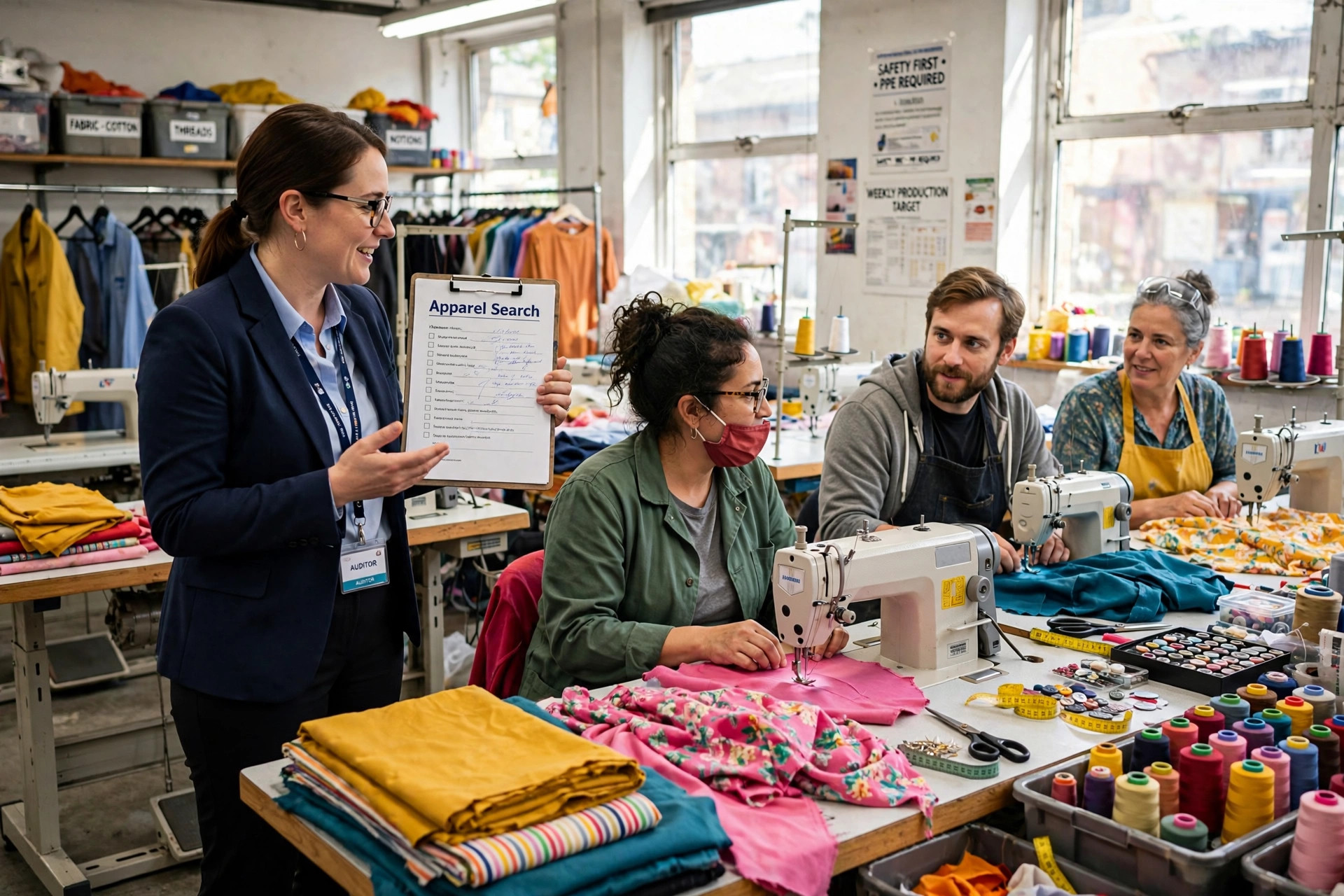
Certification follows the product. A cotton farmer group, a factory or a trader applies to an approved certification body, is audited against the standard — records of prices paid and wages earned, interviews with workers, site inspections — and, if it passes, receives a certificate covering defined products and sites. Certificates are renewed through repeat audits, and auditors can return unannounced or in response to complaints.
Money is the mechanism that makes Fair Trade different from a pure audit program. Where minimum prices apply, buyers must pay at least that floor when market prices fall below it. On top of the price, buyers pay a premium — under Fairtrade, the Fairtrade Premium; under Fair Trade USA's factory model, contributions to worker-controlled Community Development Funds. That money has funded everything from clean-water projects and school support to direct cash bonuses, chosen by the farmers and workers themselves rather than by the brand.
What the Labels Mean
A Fair Trade Certified seal on a garment means the product was made in a certified facility, or with a certified ingredient, under that program's audited conditions. A FAIRTRADE Mark on a cotton product points back to certified cotton and the minimum-price and premium terms paid for it. Because a garment passes through many hands, careful reading matters: some products are certified at one stage only, and honest labels say which. Claims should name the program, and the certified share of a product, rather than relying on the words "fair trade" alone — uncertified use of the phrase is marketing, not verification.
How Fair Trade Differs From the Other Standards
Fair Trade is the most economics-first label in this series. GOTS starts from organic fiber and regulates processing chemistry and conditions along the way; Fair Trade starts from price and pay, and will certify conventional cotton as well as organic. Workplace audit programs such as SA8000 and WRAP verify labor conditions in factories but carry no minimum price, no premium and no consumer-facing product claim. B Corp certifies an entire company's impact rather than a product's chain. Brands frequently stack them — a shirt can be sewn in a Fair Trade Certified factory from GOTS-certified organic cotton — because each standard answers a different question.
Related Certification Guides
Common Questions
Does a Fair Trade label on a shirt mean the cotton was fairly traded too?
Not automatically. Some Fair Trade claims cover the factory that sewed the garment, some cover the cotton it was made from, and some cover both. Read the claim carefully: a Fair Trade Certified garment claim is about the conditions in the certified factory, while a Fairtrade cotton claim starts with the farmers who grew the fiber. The strongest products carry certification at more than one stage.
Is Fair Trade the same as organic?
No. Fair Trade standards are primarily about people — prices, premiums, wages and working conditions — with environmental rules included. Organic standards are about how fiber is grown and processed. The two are often combined, and Fairtrade cotton grown organically can earn an additional premium, but each certification verifies different things.
Who checks that Fair Trade standards are actually met?
Independent certification bodies audit farms, factories and traders against the standards — reviewing pay and price records, interviewing workers away from management, and inspecting conditions on site. Certificates are time-limited and renewed through repeat audits, and serious non-compliance can suspend or end certification.
Why does Fair Trade clothing cost more?
Because part of the price is deliberately directed to the people at the start of the chain: minimum prices protect farmers when markets fall, premiums fund community projects chosen by farmers and workers themselves, and certified factories carry the cost of meeting and proving higher labor standards. The premium is a feature of the system, not a markup added at retail.
Please note: Fair Trade Certified is a program of Fair Trade USA, and the Fairtrade standards and FAIRTRADE Mark are administered by Fairtrade International and its national organizations. This page is a general overview for information only and may not reflect the current version of either standard. Confirm current requirements with Fair Trade USA or Fairtrade International, or an approved certification body, before making certification or sourcing decisions.
Back to the Fashion Certifications Guide
This page is one of the Apparel Search certification guides. Return to the Fashion Certifications Guide to compare Fair Trade with GOTS, OEKO-TEX, bluesign and the other standards explained on Apparel Search — and to see what each label actually verifies before you trust it on a tag.