Delta Woodside Industries
Apparel industry financial guide — Textile Company Stocks.
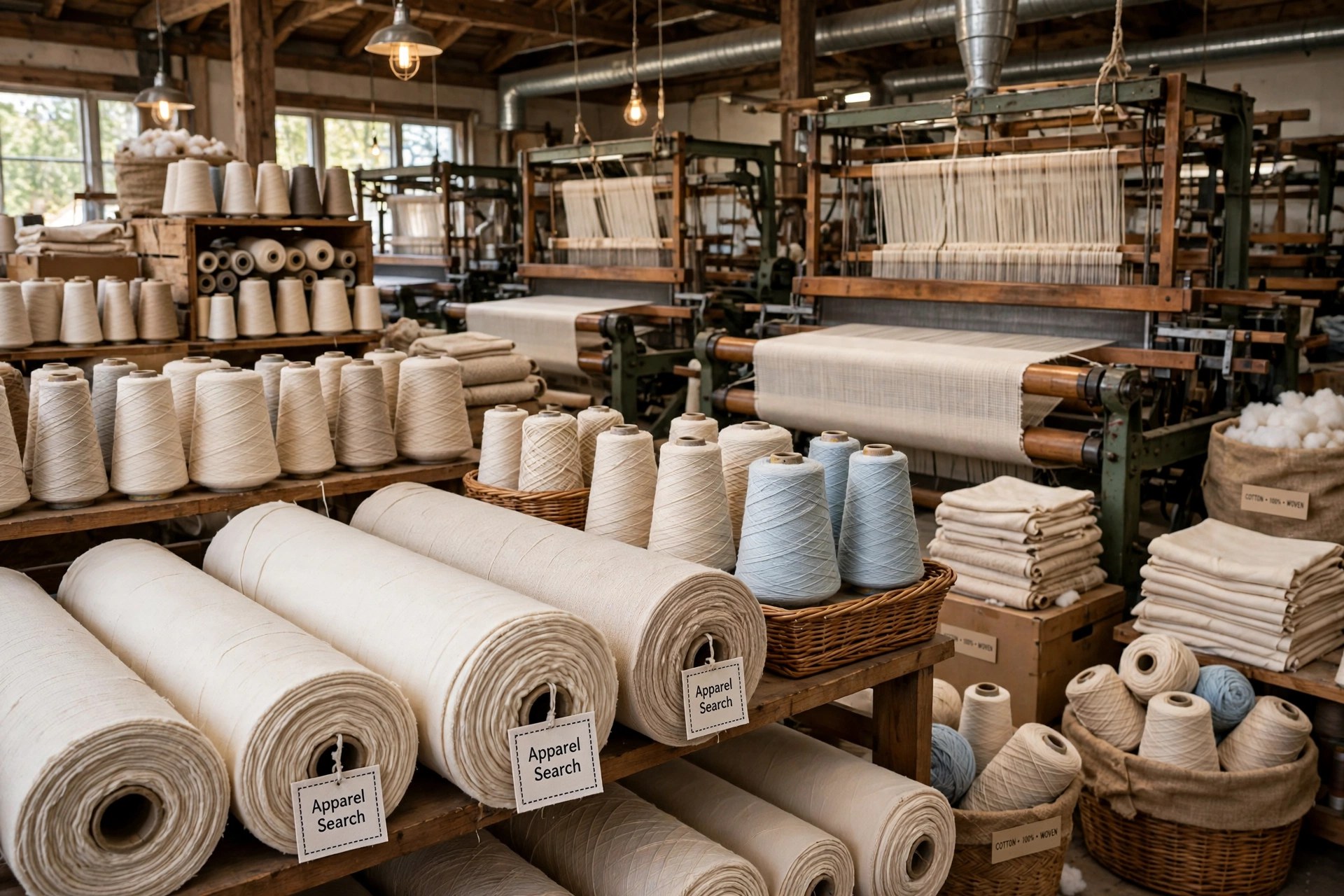
Delta Woodside Industries, Inc. was a South Carolina textile manufacturer whose Delta Mills unit produced woven cotton and wool finished fabrics for apparel — fabrics that went into products such as Levi's Dockers and Haggar wrinkle-free pants, women's apparel, work uniforms and camouflage fabric for the United States military. Levi Strauss and VF Corporation together accounted for about a tenth of its sales. On October 13, 2006 Delta Woodside, Delta Mills and Delta Mills Marketing filed voluntary petitions for Chapter 11 bankruptcy protection, announcing an orderly wind-down of operations designed to result in liquidation and distribution to creditors.
Company Snapshot
Status: Closed — the company and its Delta Mills subsidiary filed for Chapter 11 on October 13, 2006 and proceeded with an orderly wind-down and liquidation of operations
Type: Private — defunct (was OTC Bulletin Board: DLWI)
Headquarters: Formerly Greenville, South Carolina, United States
Company Profile
The company's position was the classic American mill position of its decade: a maker of woven fabrics for branded apparel programmes, dependent on a small number of very large customers — Levi Strauss, VF Corporation, Liz Claiborne and the private-label programmes of J.C. Penney, Sears and Wal-Mart are the names its own description lists. When those programmes moved, the mill's order book moved with them.
Delta Woodside also has a second life in this guide: in 1999 it spun off its apparel business as Delta Apparel, Inc., the activewear company profiled in the wholesale section of this guide, which traded for a further quarter-century before its own Chapter 11 filing in 2024. The parent mill's 2006 filing and the spin-off's later history are two halves of one South Carolina textile story.
The range behind the name is woven cotton and wool finished fabrics for apparel. Its customers are branded apparel makers and private-label programmes — Levi Strauss, VF Corporation, Liz Claiborne and major retailers. That combination — what is sold, and to whom — is the simplest way to place Delta Woodside Industries in the industry: it explains the company's costs, its competitors and the kind of news that moved its shares when it had them. A change in either half of the combination, a new product category or a new customer, is usually the first sign that the business described in the older summaries is turning into something different.
Scale should be read from the dated summaries with their dates attached. Store counts, sales descriptions and market positions quoted there were the company's own account of itself in that year, and they are the right basis for comparing Delta Woodside Industries with the other companies in this section — a component supplier against a retailer, or a catalogue house against a mall chain — as long as each figure is compared with figures from roughly the same period.
Because Delta Woodside Industries no longer operates independently, there is no current company website to link from the snapshot, and enquiries that would once have gone to its head office belong with the successor named in the status line — or, where the business closed entirely, the record here is the end of the trail. The dated summaries remain useful to researchers precisely because the company can no longer update its own account of itself.
For anyone researching the fashion industry's public-company era, Delta Woodside Industries is a useful case: a South Carolina mill whose 2006 liquidation and whose spin-off's 2024 bankruptcy bookend an era. The summaries in this section were compiled while the story was still unfolding, which is exactly what makes them worth keeping — they preserve what the company said about itself at the time, before the outcome was known.
History in Brief
Delta Woodside's record is a single, complete episode: a woven-fabric mill selling to the largest American apparel brands, followed by the October 13, 2006 Chapter 11 filings of the parent and its Delta Mills subsidiaries and the announced orderly wind-down and liquidation of operations. No successor company continued the mill business under the Delta Woodside name.
Common Questions
When did Delta Woodside go out of business?
The company and its Delta Mills subsidiaries filed for Chapter 11 on October 13, 2006 and proceeded with an orderly wind-down designed to liquidate the business.
What did Delta Mills make?
Woven cotton and wool finished fabrics for apparel, including fabrics for Dockers and Haggar pants, women's apparel, work uniforms and military camouflage.
Is Delta Apparel the same company?
No. Delta Apparel was spun off from Delta Woodside in 1999 and traded independently; it is profiled separately in this guide.
References & Further Reading
Company details such as leadership, ownership, store counts and web addresses can change. This company no longer operates independently, so there is no current official website to check; the information here is a historical record of the business as it was.