Fab Industries
Apparel industry financial guide — Textile Company Stocks.
Fab Industries, Inc. was a vertically integrated American knit-fabric manufacturer founded in 1955 by Samson Bitensky in Amsterdam, New York, as a small lace-netting company, FabLace. Fab produced warp and circular knit fabrics, raschel laces and stretch fabrics, and polyurethane coated and bonded fabrics, selling to manufacturers of swimwear, intimate apparel, sleepwear and sportswear, and made finished bedding and home furnishings under its Mohican Mills and Salisbury operations. Unusually, the company ended not in distress but by choice: having accumulated a large cash position, shareholders adopted a plan of liquidation and dissolution in May 2002, and the remaining assets passed to a liquidating trust in 2005.
Company Snapshot
Status: Closed — shareholders adopted a plan of liquidation and dissolution in May 2002; the business was wound down and its remaining assets passed to a liquidating trust in 2005
Type: Private — defunct (was listed in New York as FAB)
Headquarters: Formerly New York, New York, United States
Founded: 1955, in Amsterdam, New York, as FabLace, Inc., by Samson Bitensky
Company Profile
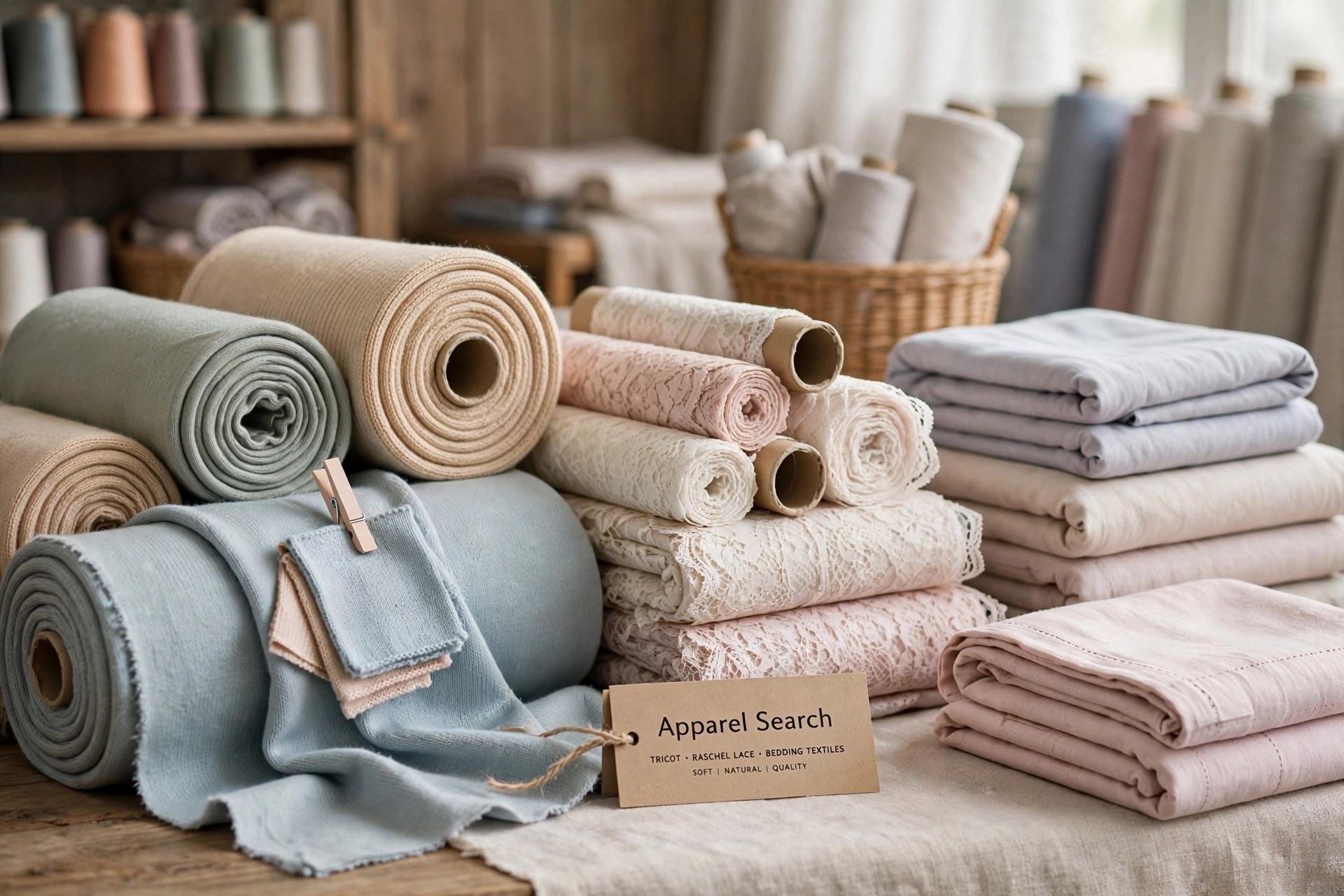
The October 2013 summary in the record describes the operating company: a producer of warp and circular-knit fabrics, raschel laces and laminated fabrics, selling fabrics and laces to makers of swimwear, intimate apparel, sleepwear and sportswear, and making blankets, sheets and other bedding and home-furnishing products. The September 2007 summary adds the technical range — rigid and stretch knits, raschel stretch fabrics, polyurethane coated and bonded fabrics.
The liquidation is the distinctive fact. Fab explored a sale of the company as part of a plan of liquidation designed to distribute its cash to shareholders; when no sale of the whole business followed, the plan ran its course — operations were sold or wound down and a liquidating trust succeeded to the remaining assets on May 30, 2005. A profitable, cash-rich mill choosing dissolution over acquisition is a rarity in this section of the guide.
The range behind the name is warp and circular knit fabrics, raschel laces, coated and bonded fabrics, and finished bedding. Its customers are manufacturers of swimwear, intimate apparel, sleepwear and sportswear, and home-furnishings retailers. That combination — what is sold, and to whom — is the simplest way to place Fab Industries in the industry: it explains the company's costs, its competitors and the kind of news that moved its shares when it had them. A change in either half of the combination, a new product category or a new customer, is usually the first sign that the business described in the older summaries is turning into something different.
Scale should be read from the dated summaries with their dates attached. Store counts, sales descriptions and market positions quoted there were the company's own account of itself in that year, and they are the right basis for comparing Fab Industries with the other companies in this section — a component supplier against a retailer, or a catalogue house against a mall chain — as long as each figure is compared with figures from roughly the same period.
Because Fab Industries no longer operates independently, there is no current company website to link from the snapshot, and enquiries that would once have gone to its head office belong with the successor named in the status line — or, where the business closed entirely, the record here is the end of the trail. The dated summaries remain useful to researchers precisely because the company can no longer update its own account of itself.
The stock record matters because Fab Industries sat at a point where fashion meets the public markets: investors following the shares were really following orders for knit fabrics and laces from apparel manufacturers. The dated company summaries gathered in this section were written for that audience, recording store counts, sales descriptions and company statements as they stood at the time. Read together with the current status above, they show both halves of the story — the business as it presented itself in its listed years, and what became of it afterwards.
Fab Industries History & Historical Profile →Common Questions
Why did Fab Industries liquidate?
The company had accumulated a large cash position and concluded that a plan of liquidation, distributing that value to shareholders, was the best course. Shareholders adopted the plan in May 2002 and a liquidating trust took the remaining assets in 2005.
What did Fab Industries make?
Warp and circular knit fabrics, raschel laces and stretch fabrics, coated and bonded fabrics, and finished bedding and home furnishings.
Who founded Fab Industries?
Samson Bitensky, in 1955, in Amsterdam, New York, as the lace-netting company FabLace, Inc.
References & Further Reading
Company details such as leadership, ownership, store counts and web addresses can change. This company no longer operates independently, so there is no current official website to check; the information here is a historical record of the business as it was.