
Ocean Freight Lines & Shipping Carriers for Apparel
Container shipping is the workhorse of the fashion supply chain. Use the Apparel Search directory to find ocean carriers and learn how sea freight works for clothing, footwear and textiles.
Free Freight & Planning Tools
Planning estimates only. Confirm final load plans and costs with your forwarder, carrier or customs broker.
Browse the Apparel Search Freight Line Directory
Why Ocean Freight Dominates Apparel Shipping
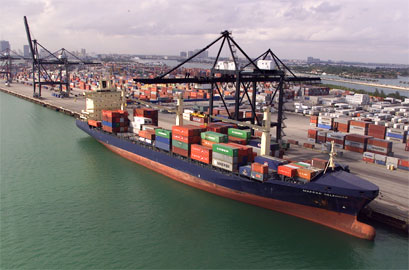
Ocean freight carries the majority of the world's apparel by volume. A single 40-foot container can hold thousands of garments, which spreads the cost across many units and makes it the most economical option for seasonal production runs from Asia, Central America and other manufacturing regions. The trade-off is time: port-to-port transit often takes several weeks, plus origin and destination handling, so ocean programs must be planned against delivery windows and peak seasons.
Key Ocean Freight Concepts for Fashion Shippers
| Term | What it means for apparel |
|---|---|
| FCL (Full Container Load) | One shipper fills a whole container, common for large production orders. |
| LCL (Less than Container Load) | Smaller shipments are consolidated with others; useful for small brands and sample runs. |
| GOH (Garments on Hanger) | Containers fitted with hanging bars so garments arrive pressed and ready for the floor. |
| Bill of Lading | The contract and receipt between shipper and carrier; also a document of title for the cargo. |
| Incoterms (FOB, CIF) | Standard terms that define who pays for freight and insurance and when risk transfers. |
| Transit time vs. port time | Dwell, congestion and customs holds can add days beyond sailing time. |
Common Container Types
| Container | Approx. interior volume | Typical apparel use |
|---|---|---|
| 20-foot standard | about 33 cubic meters | Dense cargo such as fabric rolls and denim |
| 40-foot standard | about 67 cubic meters | Cartons of finished garments |
| 40-foot high cube | about 76 cubic meters | Bulky, lightweight goods such as knitwear and outerwear |
Figures are approximate and vary by manufacturer. See the detailed freight container dimensions guide, or test your cartons in the Container Load Calculator.
Planning Tools & Guides
Weather
News & government
If you get lost, check with the U.S. Coast Guard Navigation Center.
Maritime & Freight Industry Directories
 IMMA Ltd, International Maritime Manning Agency
Crewing agency representing ships and maritime companies. Odessa, Ukraine.
- Maritime Global News (MGN)
Open resource since 1995 for maritime news, industry sites and contacts, with details of more than 80,000 maritime-related companies.
- Transport World
Online community and resource hub for managing transportation assets and services across all modes.
Related Shipping Sections
Frequently Asked Questions
How long does ocean freight take for apparel?
Sailing time depends on the trade lane, from roughly two to six weeks port to port on many Asia to North America routes, plus time for trucking, port handling and customs. Always ask your forwarder for current schedules; see our ocean freight schedules page.
What is the difference between FCL and LCL?
FCL means you pay for an entire container. LCL means your cartons share a container with other shippers' goods and are consolidated and deconsolidated at warehouses, which adds handling and time but suits smaller orders.
What is a garments-on-hanger container?
A container fitted with rails or bars so garments stay on hangers during the voyage. It reduces wrinkling and pressing work and lets retailers move goods to the sales floor faster.
What is a bill of lading?
It is the carrier's receipt for the goods, the contract of carriage, and, in the case of an original negotiable bill, a document of title the consignee may need to take delivery.