Platinum Rings
Dense, naturally white and made to hold stones securely
Platinum rings are usually made from an alloy that is 95 percent pure platinum, stamped 950 Plat or Pt950, alloyed most often with ruthenium for hardness or iridium for a slightly softer working alloy. Platinum is naturally white and does not need rhodium plating, it is hypoallergenic, and it is considerably denser than gold, so a platinum ring feels noticeably heavier than the same design in gold or palladium. When platinum scratches, metal is displaced rather than lost, forming a soft patina that can be polished back. Its strength and the way it holds prongs make it a leading choice for diamond solitaires and wedding bands intended for decades of wear. This guide covers platinum stamps and alloys, a direct comparison with palladium, weight and cost, patina and polishing, and the specialist skills that resizing and repair require. Platinum also retains its white color at worn edges and prong tips, unlike plated white metals, so high points do not reveal a different color underneath as the years pass.
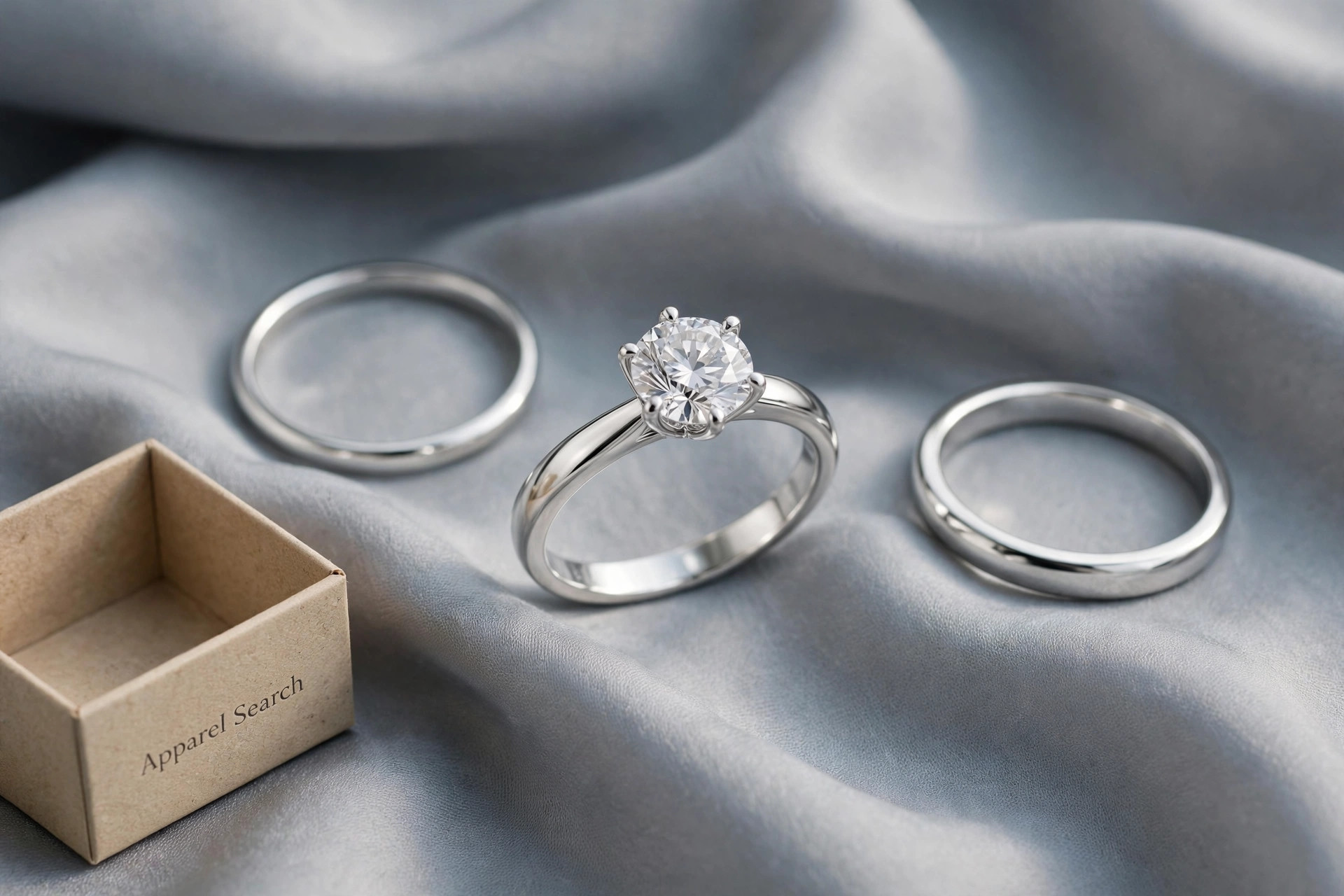
Platinum Rings: Timeless Elegance and Durability
Introduction to Platinum:
Platinum is a rare, lustrous, and silvery-white precious metal known for its exceptional durability, purity, and rarity. It is one of the most coveted metals for crafting fine jewelry, including engagement rings, wedding bands, and various other types of rings.
Properties of Platinum:
Durability: Platinum is highly durable and resistant to tarnish, corrosion, and wear. It doesn't easily react with other elements, making it suitable for everyday wear and lasting a lifetime.
Purity: Platinum used in jewelry is typically 90-95% pure, making it hypoallergenic and ideal for those with sensitive skin. Its purity ensures that the metal won't cause skin reactions or discoloration.
Density: Platinum is denser than other precious metals like gold, giving it a substantial weight and a feeling of luxury when worn.
Natural White Color: Platinum's natural white color does not fade or change over time, allowing the true beauty of gemstones to shine without any color interference.
Styles of Platinum Rings:
Classic Solitaire: A single, prominent gemstone set in platinum, often a diamond, allowing the focus to be on the elegance of the gem.
Halo Rings: A central gemstone encircled by a halo of smaller diamonds or gemstones, adding sparkle and enhancing the perceived size of the central stone.
Three-Stone Rings: Incorporates three gemstones, symbolizing the past, present, and future. Platinum provides a stunning backdrop for this timeless design.
Eternity Rings: A band adorned with a continuous line of diamonds or gemstones, representing everlasting love and commitment.
Advantages of Platinum Rings:
Durability and Longevity: Platinum is renowned for its durability, making it ideal for jewelry that lasts a lifetime. It doesn't wear down or thin out over time, maintaining its shape and structure.
Hypoallergenic: Its high level of purity ensures that it's hypoallergenic, making it suitable for individuals with sensitive skin.
Timeless Beauty: Platinum's natural white color and luster enhance the brilliance of gemstones, making it a popular choice for showcasing precious stones.
Secure Setting: The strength of platinum provides a secure setting for gemstones, reducing the risk of them falling out.
Symbolism and Significance:
Eternal Love: Platinum is often associated with enduring love and everlasting commitment, making it a meaningful choice for engagement and wedding rings.
Purity and Rareness: The rarity and purity of platinum symbolize the rarity and purity of the love and bond shared by a couple.
Why Platinum is Worth the Price for Your Ring: A Mark of Timeless Value
Durability and Longevity:
- Platinum is incredibly durable, resisting wear and tear over time. Unlike other metals, it doesn't chip or splinter, ensuring your ring remains intact even after many years of use. This durability translates to a long-lasting piece that can be passed down through generations.
Purity and Hypoallergenic Properties:
- Platinum's high level of purity, usually around 90-95%, makes it hypoallergenic and suitable for individuals with sensitive skin. It won't cause skin irritations or reactions, providing a comfortable and safe choice for daily wear.
Natural White Color and Non-Allergenic Properties:
- The natural white color of platinum enhances the brilliance of gemstones, especially diamonds, by providing a pure, neutral background. Additionally, the metal doesn't tarnish or fade, ensuring its beauty remains untouched over time.
Density and Heft:
- Platinum is significantly denser and heavier than other metals like gold, giving it a luxurious feel and substantial weight on the finger. This density makes the ring feel substantial and valuable, adding to its perceived worth.
Rare and Precious Metal:
- Platinum is rarer than gold, and its mining and extraction are complex processes. The limited supply and high demand contribute to its higher price. Owning a platinum ring symbolizes exclusivity and a commitment to quality and luxury.
Secure Setting for Gemstones:
- Platinum's strength allows for intricate and secure gemstone settings. Whether it's a solitaire or a complex design with multiple stones, platinum can hold gemstones securely, reducing the risk of them falling out or getting damaged.
Timeless Aesthetic Appeal:
- Platinum has a timeless and classic look that transcends trends and fads. Its understated elegance complements various styles and gemstones, ensuring your ring remains fashionable and relevant for a lifetime.
Lifetime Value and Resilience:
- Platinum's resilience ensures that your ring retains its shape and
form throughout its life. This means that, even with decades of wear,
your platinum ring will still look as beautiful as the day you first
wore it.
In summary, the price of a platinum ring is justified by its durability, rarity, purity, timeless beauty, and the assurance of a long-lasting, high-quality piece of jewelry. When you invest in a platinum ring, you're not only purchasing a symbol of love and commitment but also a treasured heirloom that will retain its value and allure for generations to come.
Platinum rings epitomize timeless elegance, durability, and purity, making them a cherished choice for engagements, weddings, anniversaries, and other special occasions. The enduring allure of platinum continues to captivate jewelry enthusiasts seeking the finest in craftsmanship and design.
Learn about palladium rings which are in the platinum family.
Learn about platinum earrings, platinum necklaces and platinum bracelets.
Learn about precious metals for jewelry design.
Weight, Patina and Cost
Density explains much of platinum ownership. The same band that weighs about 6 grams in 14 karat white gold may weigh roughly 10 grams in platinum, giving a substantial feel some wearers love and others find heavy, especially in wide bands. Price follows both weight and the platinum market, plus higher labor costs, so a platinum ring normally costs more than the identical design in white gold or palladium even before any stone is set. Trying on a comparable weight before ordering prevents the most common surprise.
Platinum's patina is a matter of taste rather than damage: the surface dulls to a satin grey-white while the metal itself is largely retained, unlike gold, which loses a small amount with each scratch and polish. For engagement rings, platinum claws are valued because they bend rather than snap and hold a center stone securely for years, but they still need periodic inspection. Check prongs annually, keep the ring away from chlorine and harsh chemicals where possible, and choose a maker who will state the exact alloy used.
Common Questions
How does platinum compare with palladium for a ring?
Both are naturally white, hypoallergenic precious metals, but they wear and feel differently. Platinum is much denser and heavier, is usually 95 percent pure, and develops a soft patina while retaining metal when scratched. Palladium rings are typically also 950 purity but are far lighter on the finger, harder in a way that can feel more resistant to marking, and usually cost less. Platinum prongs are widely preferred for high-value center stones; palladium suits buyers who want a white precious metal without platinum weight or price.
What stamp should a platinum ring carry?
Look for 950 Plat, Pt950, PLAT or a fineness mark of 950, which indicates at least 95 percent platinum in many markets. Lower marks such as 850 Plat describe a lower platinum content and should be priced accordingly. A ring described only as platinum-plated or platinum-finished is a different product — a surface coating over another metal — and should never be priced as solid platinum.
Does platinum need replating or special care?
Platinum does not need rhodium replating because its white color runs through the metal. Clean it with warm water, mild soap and a soft brush, and store it separately. Over time the surface develops patina, a fine, matte accumulation of tiny marks; many wearers keep it, and a jeweler can polish it back to a bright finish. Resizing and prong work should go to a jeweler equipped and experienced for platinum, since it needs higher working temperatures than gold.