Platinum Bracelets
The densest, most durable precious metal, in bracelet form
Platinum is the premium white precious metal: naturally white, extremely dense, resistant to corrosion and wear, and used in jewelry at 950 fineness, 95 percent pure, usually alloyed with ruthenium or iridium. A platinum bracelet feels noticeably heavier than the same design in gold or palladium, holds gemstones in the most secure settings of any metal, and develops a soft patina with wear. This guide covers platinum's properties in bracelets, hallmarks, how it differs from white gold and palladium, styles, and care.
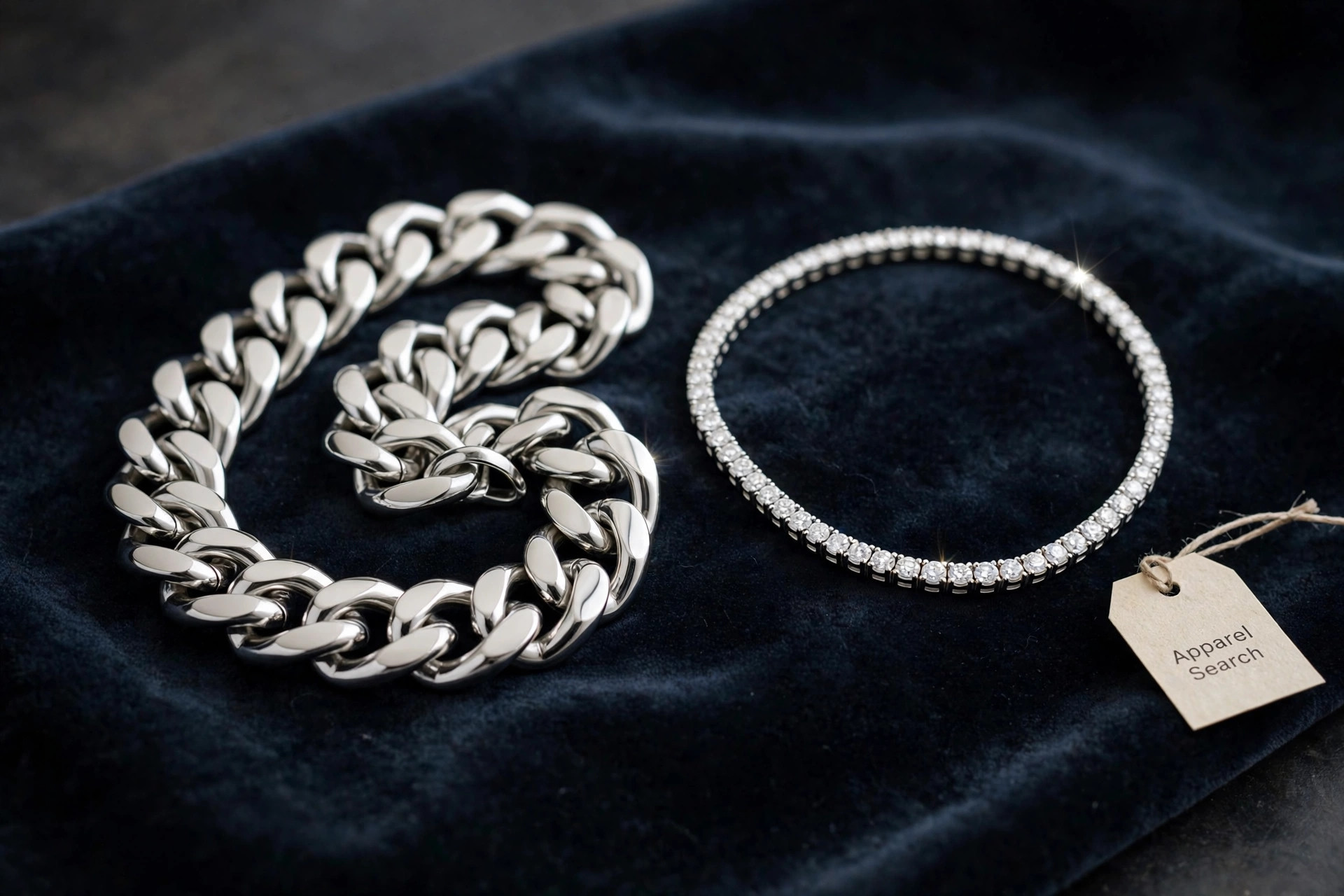
A platinum bracelet is a piece of jewelry that is both elegant and durable. Platinum is a silver-white precious metal that is known for its luster and density1. It is one of the most durable and premium metals for fine jewelry. It is naturally white, 95% pure, and hypoallergenic. Platinum bracelets can come in various designs, including bangle, chain, cuff, stacking, and tennis. They can be adorned with gemstones as platinum holds them firmly in place. The natural white luster of platinum provides a rich backdrop for diamonds and can even make diamonds appear whiter than they really are.
Elegance and Rarity: Platinum Bracelets Unveiled
Platinum bracelets, crafted from the rare and precious metal platinum, embody elegance, longevity, and sophistication. These bracelets have earned a special place in the world of luxury jewelry. In this detailed description, we will delve into the meaning of platinum, its geographical origins, the rarity that makes it coveted, the popularity and symbolism of platinum bracelets, the captivating beauty of platinum jewelry, how consumers can assess the quality of platinum bracelets, and where to find fine quality platinum jewelry.
Understanding Platinum:
Platinum is a naturally occurring, silvery-white metal known for its exceptional durability, resistance to tarnish and corrosion, and remarkable purity. It is a noble metal, renowned for its rarity and value.
Geographical Origins:
Platinum is found in limited regions across the world, including:
South Africa: South Africa is the primary source of platinum, contributing a significant portion of the global supply. The Bushveld Complex in South Africa hosts the largest platinum deposits.
Russia: Russia is another major producer of platinum, with substantial reserves in the Ural Mountains and Siberia.
North America: Canada and the United States, particularly the state of Montana and the Sudbury Basin in Canada, also have platinum deposits.
Rarity of Platinum:
Platinum's rarity is one of its defining characteristics:
Scarce in Nature: Platinum is around 30 times rarer than gold, making it one of the scarcest elements on Earth.
Challenging Extraction: Extracting platinum from ore is a complex and costly process, contributing to its rarity and value.
Limited Global Production: Few countries produce significant quantities of platinum, further enhancing its scarcity.
Popularity and Symbolism:
-
Platinum bracelets are celebrated for several compelling reasons:
-
Purity and Durability: Platinum's purity and resistance to tarnish and wear make it an ideal choice for fine jewelry, symbolizing longevity and endurance.
-
Elegance: The silvery-white metal's lustrous and timeless appearance adds an air of sophistication to any bracelet design.
-
Symbol of Luxury: Platinum is often associated with luxury, wealth, and exclusivity, making it highly desirable for those who appreciate fine craftsmanship.
The Beauty of Platinum Jewelry:
Jewelry made from platinum showcases its unique characteristics:
White Luster: Platinum's natural white luster complements a wide range of gemstones and jewelry styles.
Hypoallergenic: Platinum is hypoallergenic, making it an excellent choice for those with sensitive skin.
Precise Craftsmanship: Platinum's malleability allows for intricate and detailed jewelry designs.
Evaluating Platinum Bracelet Quality:
Consumers can assess the quality of platinum bracelets by considering these factors:
Platinum Purity: Look for jewelry stamped with the hallmark "Pt" followed by a number (e.g., Pt950) to indicate platinum purity. Pt950 signifies that the jewelry is 95% pure platinum.
Design and Craftsmanship: Evaluate the design, craftsmanship, and overall aesthetics of the bracelet, ensuring it meets your preferences.
Gemstone Quality: If the bracelet includes gemstones, assess their quality, cut, and setting.
Clasp and Closure: Examine the quality of the clasp and closure to ensure they are secure and functional.
Finding Fine Quality Platinum Bracelets:
Consumers seeking fine quality platinum bracelets can explore various sources:
High-End Jewelry Boutiques: Exclusive jewelry boutiques often carry a selection of platinum bracelets showcasing craftsmanship and design.
Reputable Jewelry Retailers: Established jewelry retailers offer a range of platinum bracelets and provide guidance on quality and design.
Custom Jewelers: Consider collaborating with a custom jeweler to create a bespoke platinum bracelet tailored to your preferences.
Online Retailers: Trusted online retailers may offer a variety of platinum bracelet designs, often with detailed product descriptions and certifications.
Popular Jewelry Designers Specializing in Platinum Jewelry:
Several renowned jewelry designers are known for their expertise in crafting exquisite platinum jewelry. Some of these designers include:
-
Tiffany & Co.: Tiffany & Co. is an iconic luxury jewelry brand famous for its platinum engagement rings, including the Tiffany® Setting. They have a long history of working with platinum and are celebrated for their elegant and timeless designs.
-
Harry Winston: Harry Winston is a prestigious jewelry house known for its high-quality diamonds and platinum settings. They are revered for their exceptional craftsmanship and unique creations.
-
Cartier: Cartier is a globally recognized brand that often utilizes platinum in its high-end jewelry pieces. They are celebrated for their innovative designs and exquisite use of platinum.
-
David Yurman: David Yurman is known for his contemporary and artistic approach to jewelry design. His platinum pieces often incorporate a mix of metals, resulting in unique and stylish creations.
-
Bulgari: Bulgari, an Italian luxury brand, is famous for its bold and colorful jewelry designs. They incorporate platinum into their creations to enhance the beauty and durability of their pieces.
Finest Retailers Selling Platinum Bracelets:
Finding fine quality platinum bracelets can be achieved through reputable retailers specializing in luxury jewelry. Some of the finest retailers known for their platinum offerings include:
Cartier Boutiques: Cartier boutiques around the world offer a range of platinum jewelry, including bracelets known for their exquisite craftsmanship and elegant designs.
Tiffany & Co. Stores: Tiffany & Co. stores are renowned for their platinum jewelry collections, which often feature classic and iconic pieces.
Harry Winston Boutiques: Harry Winston boutiques are synonymous with high-end diamond and platinum jewelry, including bracelets that exemplify timeless luxury.
Bulgari Boutiques: Bulgari boutiques offer a selection of platinum bracelets that blend traditional craftsmanship with contemporary design.
High-End Jewelry Retailers: Reputable high-end jewelry retailers, such as Graff, Van Cleef & Arpels, and Chanel, often carry platinum jewelry collections, including bracelets.
Why Platinum Is Adored by Professional Jewelry Designers:
Professional jewelry designers adore platinum for several compelling reasons:
Durability: Platinum is renowned for its exceptional durability and resistance to wear and corrosion. This durability ensures that jewelry pieces crafted with platinum will last for generations.
Hypoallergenic Properties: Platinum is hypoallergenic, making it an excellent choice for those with sensitive skin. It does not react with the skin and is unlikely to cause allergic reactions.
Malleability: Platinum's malleability allows for intricate and detailed designs. Jewelry designers appreciate the metal's ability to hold fine details and intricate patterns.
Enhancement of Gemstones: Platinum's white luster enhances the brilliance of diamonds and colored gemstones, allowing them to shine to their fullest potential.
Purity: Platinum is one of the purest metals used in jewelry, often alloyed with only a small percentage of other metals for added strength. Its purity ensures that the metal's color remains consistent over time.
Timeless Aesthetics: Platinum's silvery-white color is timeless and complements various gemstones and design styles. It has a classic elegance that appeals to a broad range of tastes.
Platinum is highly regarded by professional jewelry designers due to its exceptional qualities, including durability, hypoallergenic properties, malleability, and its ability to enhance the beauty of gemstones. It is a metal that exudes luxury, making it a preferred choice for crafting exquisite and enduring jewelry pieces.
Platinum bracelets represent the pinnacle of elegance and luxury in the world of jewelry. Their rarity, purity, and timeless beauty make them a symbol of sophistication and endurance. By understanding the characteristics of high-quality platinum and exploring reputable sources, consumers can confidently select fine quality platinum bracelets that embody their unique style and appreciation for this exceptional precious metal.
You may also want to learn more about platinum earrings, platinum rings and platinum necklaces.
Learn about palladium bracelets.
Don't forget to visit our jewelry metal materials section.
You may want to do some research on silver bracelets, titanium bracelets and gold bracelets as well.
Weight Is the Honest Signal
New buyers are often told a platinum bracelet should feel heavy, and that advice is practical rather than poetic: platinum is roughly sixty percent denser than 14K gold, so a solid platinum chain, bangle or link bracelet has a heft that plated or hollow imitations cannot copy. The palladium bracelets guide in this section covers the lighter platinum-group alternative for wearers who love the white color but not the weight, and the white gold bracelets guide covers the third white-metal route, alloyed gold under rhodium plating.
Cost follows the same facts: more metal by weight, a higher purity, and slower, specialist workmanship put platinum bracelets at the top of the white-metal price range, balanced by a service life that is effectively indefinite. For a diamond tennis bracelet or a daily-worn link bracelet bought once and worn for decades, that arithmetic is exactly why platinum exists as a category.
Common Questions
Why is platinum used for bracelets and diamond settings?
Platinum is exceptionally durable: when scratched, the metal is displaced rather than lost, so platinum settings and links thin out far more slowly than gold. That strength makes platinum the most secure setting metal for diamonds, and a platinum bracelet keeps its weight and structure through decades of daily wear.
What does a 950 platinum hallmark mean?
It means the piece is 95 percent pure platinum, the standard fineness for platinum jewelry, often marked 950 Plat, Pt950 or simply 950 with a platinum mark. The remaining five percent is a platinum-group alloying metal that hardens the platinum for jewelry use. Lower-fineness marks such as 850 also exist and should be priced accordingly.
Why does platinum develop a patina?
With wear, platinum's polished surface develops a satiny, slightly matte finish called a patina, made of fine scratches that displace rather than remove metal. Many wearers value the patina as part of platinum's character, and a jeweler can repolish a platinum bracelet back to a bright finish whenever the owner prefers it.