Palladium Bracelets
The light, naturally white member of the platinum family
Palladium is a precious metal in the platinum group, naturally white, tarnish resistant and hypoallergenic, used in fine jewelry both as an alloying metal for white gold and in its own right, usually stamped 950 for 95 percent purity. A palladium bracelet gives the white-metal look of platinum at notably less weight on the wrist and historically at a lower price. This guide covers palladium's properties and how they suit bracelets, the difference from platinum and white gold, hallmarks, styles, and care.
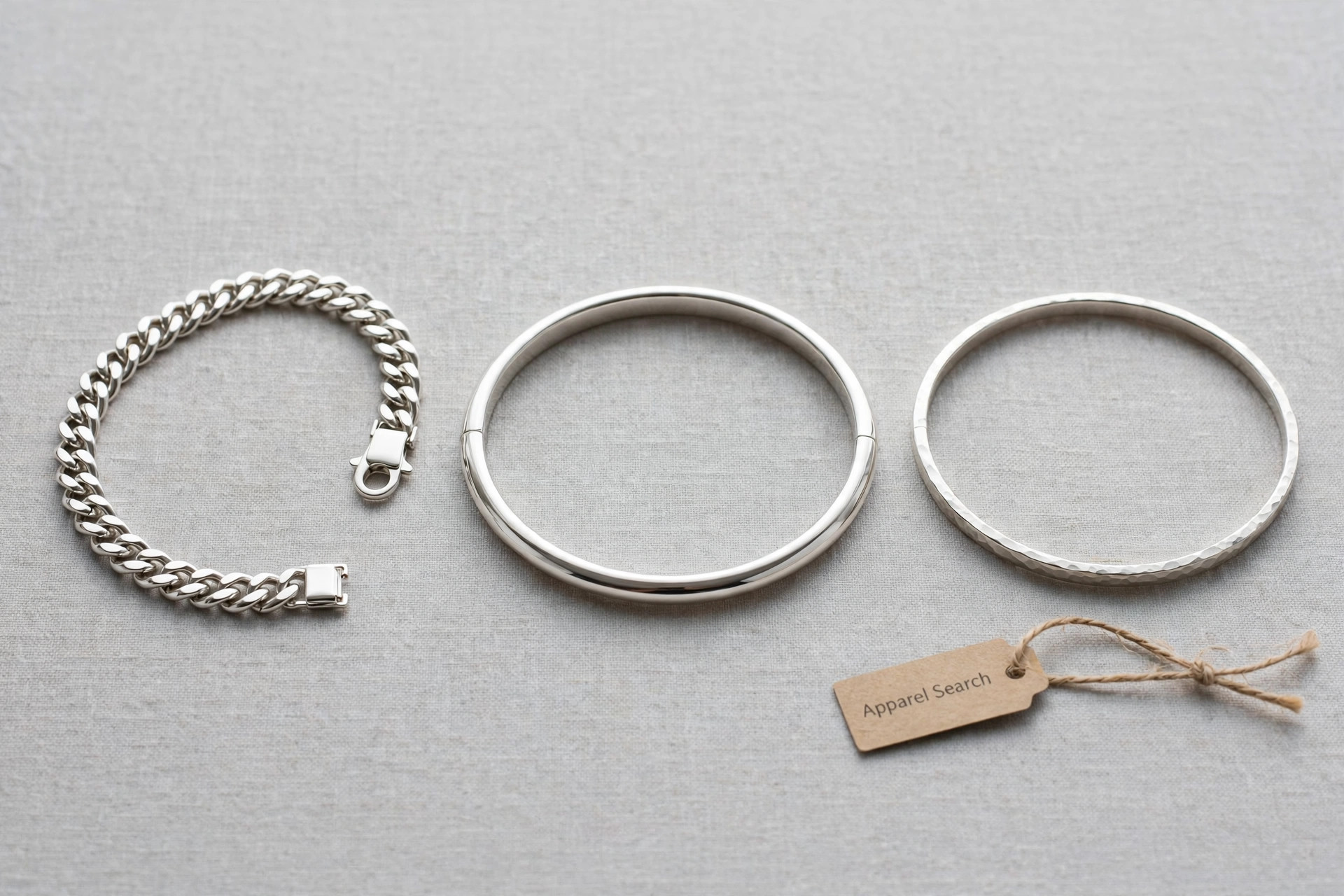
Palladium Bracelets: A Fusion of Elegance and Rarity
Palladium bracelets are gaining popularity in the world of jewelry due to the unique properties of palladium, a rare and precious metal belonging to the platinum group. These bracelets offer a blend of elegance, durability, and a modern aesthetic.
Properties of Palladium:
Rare and Precious: Palladium is a rare and valuable metal, known for its rarity and belonging to the platinum group, which includes platinum, iridium, rhodium, osmium, and ruthenium.
Durability: Palladium is durable and resistant to tarnish, corrosion, and wear, making it suitable for everyday wear.
Lightweight: Palladium is significantly lighter than platinum and other precious metals, enhancing the comfort of wearing palladium bracelets.
Hypoallergenic: Palladium is hypoallergenic, making it suitable for individuals with metal allergies or sensitive skin.
Rarity and Mining:
Palladium is one of the rarest metals, often found in association with platinum and nickel ores. Primary producers of palladium include Russia, South Africa, and Canada.
History of Palladium Bracelets:
Palladium bracelets are a relatively modern trend in the jewelry world, gaining popularity due to the increasing demand for unique and hypoallergenic jewelry.
Advantages for Jewelry Designers:
Design Versatility: Palladium's malleability allows jewelry designers to craft intricate and creative bracelet designs, offering versatility in styles and aesthetics.
Hypoallergenic Nature: Being hypoallergenic, palladium bracelets are suitable for a wide range of customers, including those with metal allergies or sensitive skin.
Lightweight and Comfortable: Palladium's lightweight property ensures that palladium bracelets are comfortable for daily wear.
Natural White Color: Palladium's natural white color eliminates the need for rhodium plating, reducing maintenance requirements.
Pros and Cons for Consumers:
Pros:
Hypoallergenic: Ideal for individuals with metal allergies or sensitive skin.
Durability: Resistant to tarnish and wear, ensuring the bracelet retains its beauty over time.
Modern Aesthetic: Palladium's natural white color and contemporary look appeal to those seeking a modern and elegant bracelet.
Comfortable: Lightweight nature enhances the comfort of wearing palladium bracelets daily.
Cons:
Price: Palladium is a rare and precious metal, making palladium bracelets more expensive compared to other metal options.
Limited Availability: Due to its rarity, it might be more challenging to find specific designs or sizes.
Palladium bracelets offer a blend of rarity, durability, and elegance, making them a unique and desirable choice for those seeking a contemporary and hypoallergenic jewelry option. While their cost may be a consideration, the allure of this precious metal remains undeniable for those who appreciate its exceptional qualities.
Learn about palladium rings, palladium bracelets and palladium necklaces.
Learn about platinum bracelets.
Why Weight Matters More in a Bracelet
A ring's weight is barely noticed; a bracelet's weight is felt all day, in typing, driving and gesturing. Palladium's low density is therefore a genuine bracelet advantage, allowing broad links, bangles and cuffs that would be heavy in platinum to sit comfortably on the wrist. The platinum bracelets guide in this section covers the heavier alternative in full, and buyers choosing between the two white metals should try both in the size they actually intend to wear.
Working palladium requires jewelers equipped for platinum-group metals, so repairs and resizing should go to a jeweler who states that they work in palladium. Within those limits, care is simple: palladium does not tarnish, cleans with warm soapy water, and its white color is permanent without plating, which makes it one of the lowest-maintenance precious metal choices in this whole section.
Common Questions
What is palladium in jewelry?
Palladium is a rare precious metal from the platinum group, silvery white in color and naturally resistant to tarnish and corrosion. Jewelry palladium is usually alloyed to 950 fineness, 95 percent palladium, and is stamped 950 Pd or similar. It is hypoallergenic, which suits wearers who react to nickel white gold.
How is palladium different from platinum in a bracelet?
Both metals are white, pure and durable, but palladium is much less dense, so a palladium bracelet feels considerably lighter than the same design in platinum. Platinum is harder-wearing at edges and develops a soft patina, while palladium keeps a brighter polish. Price between the two metals has varied over time, so compare current pieces rather than assuming a fixed gap.
Does palladium need rhodium plating like white gold?
No. Palladium is white all the way through, unlike most white gold, which is a yellowish alloy plated with rhodium for a bright white surface. A palladium bracelet never needs re-plating to keep its color, which is one of its practical advantages for a piece worn daily.