Sapphire Rings
Corundum in blue — and nearly every other color
Sapphire is corundum in every color except red, which is ruby: blue is the classic, and fancy sapphires include pink, yellow, green, purple, orange and the pinkish-orange padparadscha. Blue color comes from iron and titanium together, and the most prized blues balance saturation with enough lightness to stay vivid rather than inky. Sapphire is the birthstone for September and the traditional gift for fifth and forty-fifth wedding anniversaries. At hardness 9 on the Mohs scale, with good toughness and no cleavage, sapphire is exceptionally well suited to rings, including engagement rings worn daily. Sources include Sri Lanka, Madagascar, Kashmir historically, Montana and Australia, each associated with characteristic tones. Heat treatment is very common and improves color and clarity. This guide covers judging blue and fancy color, color zoning, treatments, settings that manage tone, and care for a stone built to last. That combination of color choice, toughness and relative availability in larger sizes is why sapphire appears so often in heirloom and engagement designs.
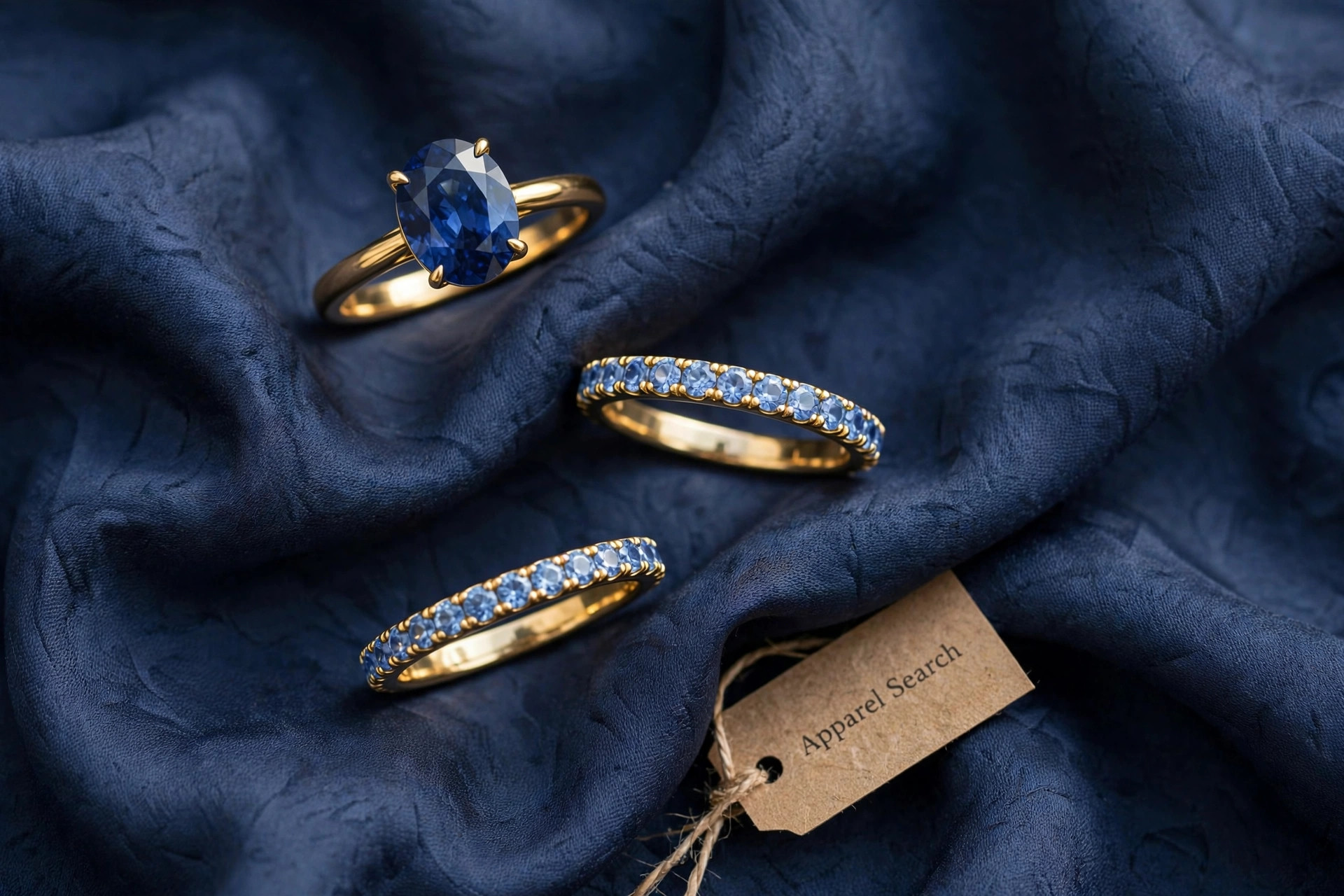
Sapphire Rings: Timeless Elegance and Natural Beauty
Sapphires, renowned for their captivating blue hues, have been cherished for centuries. They hold a special place in the world of gemstones, particularly in the realm of jewelry. Let's explore what makes sapphire so special, its geological properties, mining practices, and trends in sapphire ring design.
What Makes Sapphires Special?
Exquisite Color Range: While blue is the most common, sapphires can come in various colors, except red (classified as rubies). Their diverse palette, including pink, yellow, green, and padparadscha (a pink-orange hue), makes sapphires highly desirable.
Exceptional Hardness: Sapphires rank 9 on the Mohs scale of hardness, second only to diamonds. Their durability makes them ideal for everyday wear in jewelry, especially rings.
Historical and Cultural Significance: Throughout history, sapphires have symbolized wisdom, nobility, and divine favor. Many ancient civilizations believed sapphires had protective and healing properties.
Association with Royalty and Prestige: Sapphires have been favored by royalty and celebrities, adding to their allure and prestige. Notable sapphire engagement rings include that of Princess Diana and Kate Middleton.
Geological Properties and Mining:
Formation: Sapphires are a variety of corundum, composed of aluminum oxide. Their vibrant color results from trace elements like iron, titanium, and chromium during formation.
Mining: Sapphires are primarily mined in countries like Sri Lanka, Myanmar, Thailand, Madagascar, and Australia. Mining methods range from traditional methods like panning to mechanized techniques for deep deposits.
- Learn about precious gemstones.
Trends in Sapphire Ring Design:
Vintage and Art Deco Revival: Vintage-inspired sapphire rings are seeing a resurgence, with intricate settings, filigree work, and geometric patterns reminiscent of the Art Deco era.
Halo Settings: Halo settings featuring a central sapphire encircled by smaller diamonds or gemstones are gaining popularity, enhancing the sapphire's brilliance and perceived size.
Three-Stone Rings: Incorporating sapphires with diamonds or other gemstones in three-stone ring designs, symbolizing the past, present, and future.
Customization and Unique Cuts: Modern designs focus on customizations and unique cuts to highlight the beauty of the sapphire, including cushion, oval, and emerald cuts.
Sustainable and Ethical Sourcing:
- Modern trends also emphasize ethical and sustainable sourcing of sapphires, ensuring that the gemstones are mined and crafted with environmentally conscious and ethical practices.
Famous Sapphire Rings: Elegance and Legacy
Princess Diana's Engagement Ring:
- Perhaps the most iconic sapphire ring, it features a 12-carat oval blue sapphire as the center stone, surrounded by diamonds, set in white gold. Given to Princess Diana by Prince Charles in 1981, it has since been passed down to Kate Middleton, now the Duchess of Cambridge. The ring gained immense popularity, and its design inspired a new wave of sapphire engagement rings.
Queen Marie of Romania's Sapphire and Diamond Tiara Ring:
- Queen Marie of Romania, known for her impeccable taste in jewelry,
had a sapphire and diamond tiara that could also be converted into a
ring. The tiara's centerpiece was a sapphire, and the detachable setting
allowed the sapphire to be worn as a ring.
Historical and Cultural Significance:
Ancient Symbolism: Throughout history, sapphires have been associated with wisdom, nobility, and protection. Ancient civilizations believed sapphires had mystical powers, offering blessings of good fortune and protection against harm.
Royalty and Prestige: Sapphires have a long-standing association with royalty. In various cultures, sapphires were considered the gemstone of choice for coronation rings and royal jewelry, symbolizing power, virtue, and divine favor.
Cultural Beliefs and Healing Properties: In some cultures, sapphires were believed to have healing properties and were used to cure ailments. They were also thought to bring spiritual enlightenment and clarity of thought.
Engagement Rings and Love: The popularity of sapphire engagement rings grew with the royal engagement of Princess Diana and, later, Kate Middleton. The symbolism of a blue sapphire representing love, loyalty, and fidelity has become deeply ingrained in modern culture.
Birthstone and Zodiac Associations: Sapphires are the birthstone for September and are linked to the zodiac sign Taurus. People often wear sapphire rings to tap into their supposed mystical properties based on their birth month or zodiac.
Sapphires hold a unique place in the world of jewelry, adorned not only for their breathtaking beauty but also for the symbolism and cultural significance they carry. They continue to grace the fingers of royalty and celebrities, embodying elegance, tradition, and timeless allure.
Sapphire rings are cherished for their stunning color, exceptional hardness, and historical significance. The variety in colors, coupled with evolving design trends, ensures that sapphire rings continue to capture the hearts of jewelry enthusiasts, making them a timeless and elegant choice.
It may be a good time to learn about sapphire earrings, sapphire necklaces and sapphire bracelets.
Learn more about precious gemstone rings.
Fancy Colors, Settings and Tone
Fancy sapphires let a ring carry personal color with the same durability as blue. Pink sapphire ranges from pastel to vivid and is widely used in halos and eternity bands; yellow and peach stones pair warmly with yellow gold; padparadscha, the delicate blend of pink and orange, is the rarest fancy color and commands high prices for well-balanced stones with reports to support the name. Parti sapphires from Australia show blue and yellow-green together in one stone and suit wearers who want a distinctly individual ring.
Setting choices manage sapphire tone. White metal keeps blue looking cool and crisp, yellow gold can warm a slightly steely blue, and a closed or lightly cupped setting can deepen a pale stone — though it also complicates cleaning and should be disclosed as a design choice, not used to misrepresent color. Dark stones benefit from open settings that admit light. As with ruby, ask for heat and any other treatments in writing, and use an independent report for Kashmir, Ceylon or padparadscha claims, where origin and color names carry large premiums.
Common Questions
How is sapphire different from ruby if both are corundum?
They are the same mineral at the same hardness 9; the name follows color and coloring element. Red corundum colored by chromium is ruby, while blue corundum colored by iron and titanium is sapphire, and all other colors are fancy sapphires. In practice ruby concentrates on a single prized color and rises steeply in price for fine large stones, while sapphire offers a wide color palette, including large clean blues and pinks, often at lower cost for comparable visual size and durability.
What blue should I look for in a sapphire ring?
Look for a blue that is vivid in daylight without being so dark that detail disappears indoors: a medium to medium-dark tone with strong saturation, often described for fine stones as cornflower or royal blue depending on lightness. Check for color zoning — bands or patches of lighter and darker blue visible face-up — and for a window, a pale area in the center where light passes through. Even color across the face is worth more than a famous origin name.
How should I clean and care for a sapphire ring?
Sapphire is one of the easiest ring stones to maintain. Clean it in warm water with mild soap and a soft brush, rinse and dry; untreated and heat-treated sapphires usually tolerate ultrasonic and steam cleaning when free of fractures. Filled or diffusion-treated stones need gentler handling, so confirm treatments with the seller. Store sapphire separately, not because it is fragile, but because at hardness 9 it can scratch most other gems in a shared box.