Precious Gems Rings
The classic four, compared for ring wear
Precious gems is the traditional name for four stones: diamond, ruby, sapphire and emerald. The division between precious and semi-precious is a historical and commercial convention, not a measure of beauty or rarity — some so-called semi-precious stones are rarer and costlier than commercial grades of the classic four. For rings, the practical differences matter more than the label. Diamond is hardness 10, ruby and sapphire are hardness 9 and very tough for daily wear, while emerald is 7.5 to 8 but commonly included and more brittle, so it needs a more protective setting and gentler handling. All four are routinely treated in the commercial market, from heat for corundum to oiling for emerald. This guide compares the four for ring use, explains common treatments and disclosure, and sets out the reports, settings and care checks that protect a significant purchase. Comparing the four side by side also clarifies why two rings that look similar in a photograph can differ greatly in price, durability and upkeep in real life.
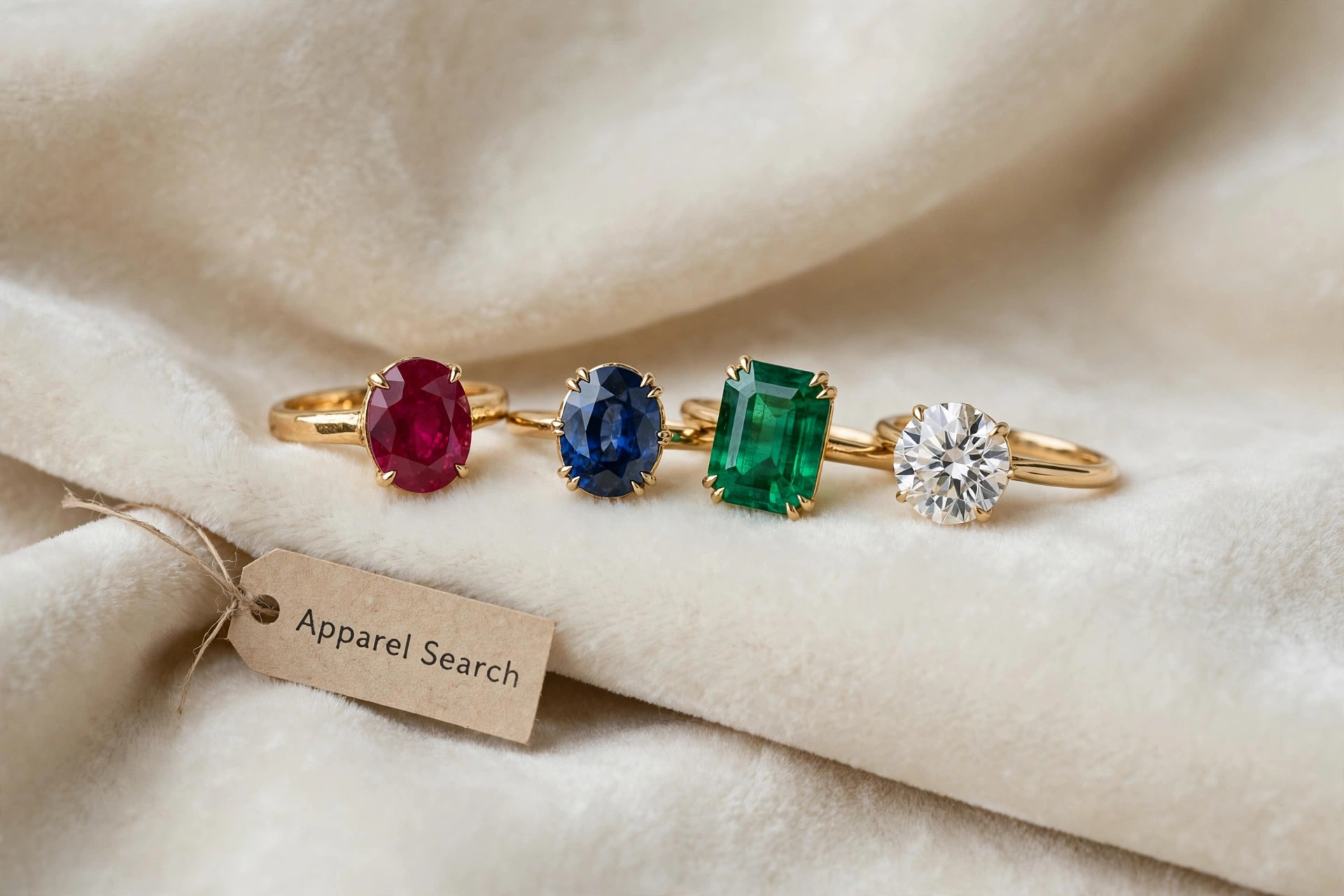
Precious Gemstone Rings: Unveiling Beauty and Symbolism
Meaning of Precious Gemstones:
Precious gemstones are rare, beautiful, and durable minerals, crystals, or rocks that hold special meaning and value. These gems are often cherished for their rarity, brilliance, color, and the positive energies they are believed to bring. Historically, precious gemstones have been associated with power, wealth, spirituality, healing properties, and various cultural and religious significances.
Importance in the International Jewelry Industry:
Economic Significance: Precious gemstones play a vital role in the global jewelry industry, contributing to billions of dollars in revenue annually. The demand for these gemstones fuels a significant portion of the international trade in jewelry and gemstone markets.
Cultural and Symbolic Value: Gemstones carry deep symbolic meanings across diverse cultures worldwide. They are used to mark significant life events like engagements, weddings, or anniversaries, making them an essential part of cultural and social traditions.
Popular Styles of Precious Gemstone Rings:
Solitaire Rings: A single precious gemstone, like a diamond, sapphire, ruby, or emerald, takes center stage, often set in a classic prong or bezel setting, allowing the gemstone to shine brilliantly.
Three-Stone Rings: Incorporates three precious gemstones, symbolizing the past, present, and future. These stones are often set in a row, creating a visually appealing and meaningful design.
Halo Rings: A central gemstone encircled by a halo of smaller diamonds or gemstones, enhancing the gem's perceived size and sparkle, creating a stunning and glamorous look.
- Learn about diamond rings, sapphire rings, ruby rings, & emerald rings.
Visual Appearance of Precious Gemstone Rings:
Color and Hue: The color of the gemstone is a primary factor in its visual appearance. For instance, diamonds are prized for their colorless appearance, while sapphires, rubies, and emeralds are sought after for their vibrant and distinct colors.
Cut and Shape: The cut accentuates the gemstone's natural beauty and brilliance. Common shapes include round, princess, oval, emerald, cushion, and pear. A well-cut gemstone reflects light in a way that enhances its sparkle and allure.
Clarity and Transparency: The clarity of a gemstone is crucial, as it impacts its transparency and brilliance. Fewer inclusions and blemishes contribute to a clearer gem, allowing more light to pass through and creating a more appealing look.
Determining Gemstone Quality:
Color and Hue: The more vivid and intense the color, the more valuable the gemstone. Look for even color distribution and an absence of unwanted color zoning.
Clarity: Check for inclusions or blemishes using a jeweler's loupe. Higher-quality gemstones will have fewer imperfections, contributing to better transparency and brilliance.
Cut: A well-proportioned and symmetrical cut enhances a gemstone's beauty and sparkle. Look for proper facet alignment and a shape that complements the gemstone.
Carat Weight: Carat weight affects the gemstone's size, but it's essential to balance this with other factors like color, cut, and clarity to determine overall value.
It's highly advisable to view the gemstone before the jeweler sets it into the ring. This step, often referred to as "loose stone inspection," allows you to carefully examine the gemstone's characteristics, quality, and overall appearance before it is placed into the setting. Here's why it's important:
Assessment of Gemstone Quality:
- Viewing the loose gemstone lets you assess its color, clarity, cut, and carat weight in detail. You can evaluate the gemstone's qualities and make an informed decision about its quality and value.
Color and Clarity Inspection:
- Lighting and the surroundings can significantly affect how a gemstone appears. By examining the gemstone in different lighting conditions, you can better appreciate its true color and clarity, ensuring it meets your expectations.
Transparency and Inclusions:
- Loose gemstones allow you to inspect transparency and look for any inclusions or blemishes that might impact the gem's beauty and value. Inclusions can affect brilliance and clarity.
Appraisal of Cut and Shape:
- The gemstone's cut and shape greatly influence its visual appeal.
Viewing the loose gemstone allows you to appreciate its cut, facets,
symmetry, and proportions before it's set into the ring.
Comparison and Selection:
Having the gemstone loose enables easy comparison with other stones and options, ensuring you choose the best one that aligns with your preferences and the design of the ring.
Confidence in Your Purchase:
By inspecting the gemstone before setting, you can purchase with confidence, knowing you've chosen a high-quality gemstone that meets your criteria and expectations.
However, do keep in mind that reputable jewelers will also provide gemstone certification and detailed information about the gemstone, even after it's set. Working with a trusted and experienced jeweler is crucial to ensure that the gemstone is accurately represented and meets your desired standards.
Precious gemstone rings hold immense significance globally, embodying beauty, symbolism, and cultural importance. Their visual appeal and quality are determined by various factors such as color, cut, clarity, and carat weight, making them a focal point in the international jewelry industry and an embodiment of enduring elegance and meaningful expressions.
You may want to also learn about precious gemstone necklaces, precious gemstone bracelets and precious gemstone earrings.
Choosing Among the Four
Choose first by how the ring will be lived in, then by color preference. A hands-on wearer who rarely removes a ring is best served by diamond, ruby or sapphire in a low, secure setting. An emerald ring rewards a wearer who will take it off for chores and sport and who values its green and characterful inclusions, often called its jardin, over flawless toughness. Budget also points in different directions: at equal quality, fine ruby and emerald rise in price quickly with size, while sapphire offers large, clean stones in blue and in fancy colors at more moderate cost.
Whatever the stone, the buying checks are the same. View it in daylight, ask for natural-versus-synthetic identification and all treatments in writing, and for higher-value stones obtain a report from an independent laboratory before the return period closes. Confirm the setting protects the girdle and any points or corners, ask how the stone should be cleaned, and insure a valuable ring with its report and a current appraisal kept separately from the jewelry itself.
Common Questions
Why are only diamond, ruby, sapphire and emerald called precious?
The term comes from historical trade practice that singled out these four for their long-standing value, hardness in three cases and cultural importance. Modern gemology does not treat precious as a scientific grade, and the label does not guarantee rarity or quality: a fine tanzanite, spinel or tsavorite can outrank a low-grade commercial ruby or emerald. Judge any ring stone by its own color, clarity, cut, treatment and report rather than by the precious label alone.
Which precious gem is best for a ring worn every day?
Diamond, ruby and sapphire are the strongest choices for daily wear because of their hardness and toughness, with sapphire offering the widest color range and ruby the most concentrated red. Emerald can be worn daily only with a protective setting, careful habits and acceptance that its included, more brittle nature carries higher chip risk. For any of the four, a well-made setting and removing the ring for heavy manual work extend its life.
What treatments should I expect in precious gem rings?
Heat treatment is common and generally accepted for ruby and sapphire when disclosed, while fracture filling, diffusion and synthetic stones must also be disclosed because they change value and care. Most emeralds are oiled or resin-filled to improve clarity, which affects cleaning. Diamonds may be treated in specific, less common ways that also require disclosure. For a significant purchase, ask for treatments in writing and an independent gemological report identifying the stone as natural.