Jack Purcell - Fashion Company Profile
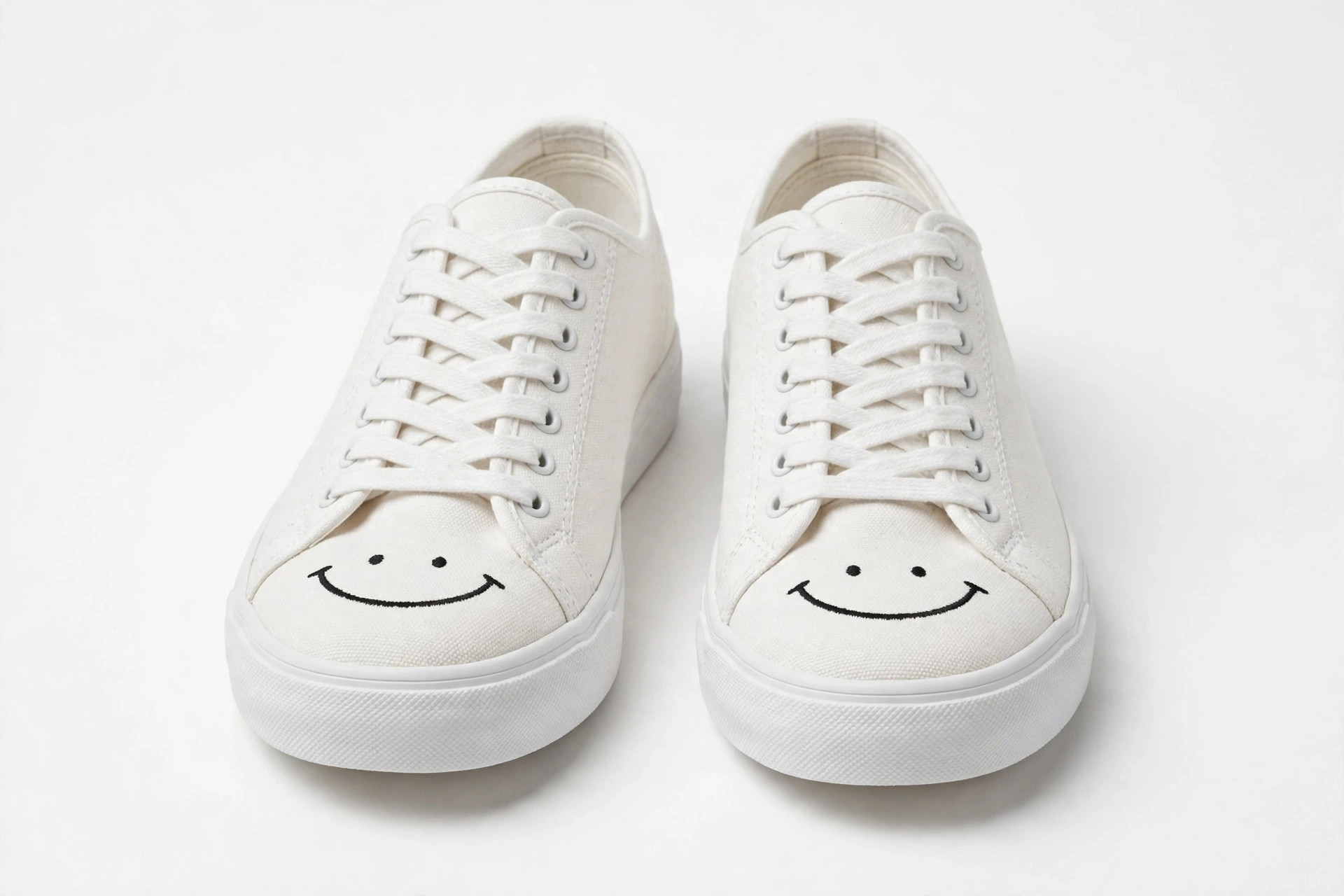
Jack Purcell is Converse's low canvas sneaker with the 'smile' across its toe cap, designed in 1935 by the Canadian badminton champion of the same name for B.F. Goodrich of Canada and made by Converse since it bought the trademark rights in the 1970s. It is still sold today, worn now mostly as a vintage-style fashion shoe rather than for sport.
Company Snapshot
- Status
- Operating - a Converse trade name, produced and sold by Converse (Nike, Inc.) today
- Type
- Brand of Converse (Nike, Inc.)
- Headquarters
- Boston, Massachusetts, United States (Converse headquarters)
- Designed
- 1935, by Canadian badminton champion Jack Purcell for the B.F. Goodrich Company of Canada; Converse bought the trademark rights in the 1970s
Shop Jack Purcell Now
Shop Jack Purcell on Amazon Shop Jack Purcell on eBayThe Amazon and eBay links on this page are affiliate links. If you make a purchase through them, Apparel Search may earn a commission.
Company Profile
The biography and the shoe belong together on this page: Purcell the player - Canadian national champion in 1929 and 1930 and declared world champion in 1933 - and Purcell the shoe, with its extra court support and signature toe smile, are both set out below, with photographs of the 2015 sneakers.
Purcell also designed an athletic shoe that bears his name, which is still popular today - the summary sentence, and the hinge between the biography and the product record that follows. The sections below keep the page's own order: the 1935 design and what it was designed to fix, the transfer of the trademark to Converse in the 1970s, and the curious afterlife of a badminton shoe now worn more for vintage fashion appeal than for athletic use. Two photographs of the 2015 examples appear in the gallery below, as recorded.
The 1935 Badminton Shoe and the Smile
Purcell designed a canvas and rubber badminton sneaker for the B.F. Goodrich Company of Canada in 1935. He designed the shoe to provide more protection and support on badminton courts - a purpose worth pausing on, because badminton footwork is lunging, pivoting and stopping on a hard court, and a canvas shoe of the 1930s offered a player's feet very little of either quality. The design brief, as the historical record states it, was protection and support first; everything the shoe later became in fashion grew out of a working court shoe that did its job well enough to stay in production, under one owner or another, ever since.
The shoe's recognising mark is its nickname's source. The shoes are nicknamed 'Smilies', owing to the signature smile across the toe - the curved line on the toe cap that distinguishes a Jack Purcell at a glance. Otherwise, they are similar in appearance to Converse's Chuck Taylor All-Star: the same canvas-and-rubber family resemblance, with the smile in place of the All Star's ankle patch and toe cap treatment. That family resemblance is exactly why the two shoes sit as sibling pages in this letter - the Chuck Taylor page follows the basketball shoe's design history, while this page follows the badminton shoe and its designer.
From B.F. Goodrich to Converse, and the Vintage Afterlife
In the 1970s, Converse purchased the trademark rights to Jack Purcell sneakers - which it still produces and sells today, in the historical record. The transfer matters to how the shoe should be filed: a Jack Purcell is a Converse product by trademark, but a B.F. Goodrich-era design by origin, and both halves of that record are kept rather than folding the shoe silently into the Converse line. The Converse company profile in this letter carries the same facts from the corporate side, and its list of the company's trade names - One Star, Chuck Taylor All Star and Jack Purcell, as of 2015 - is where the shoe takes its place in the modern house.
The record closes with a judgement kept verbatim in spirit: Converse 'Jack Purcells' are still popular - but more for their vintage fashion appeal than for athletic use. That is the honest summary of the shoe's second life. A 1935 court design, drawn by a world champion for protection and support, endures because its clean canvas profile and smiling toe read as style long after the courts it was built for have changed their footwear entirely. The examples shown are dated 2015, and the two photographs are below; for the current Jack Purcell range, the official Converse Jack Purcell page is in the References, and the links lead onward to the Converse and Nike company profiles.
Common Questions
Who was Jack Purcell?
John Edward 'Jack' Purcell (December 24, 1903 - June 10, 1991), a Canadian badminton player who was Canadian National Champion in 1929 and 1930 and declared world champion in 1933, before retiring in 1945 to become a stockbroker, in the historical record.
Why are Jack Purcell shoes called 'Smilies'?
For the signature smile across the toe - the curved detail on the toe cap that is the shoe's recognising mark, in the historical record.
Who makes Jack Purcell shoes now, and when was the shoe designed?
Purcell designed the canvas and rubber badminton sneaker for the B.F. Goodrich Company of Canada in 1935; in the 1970s Converse purchased the trademark rights and still produces and sells the shoes, in the historical record.
More Apparel Companies C
Start from the C letter hub, or compare this filing with its closest neighbours in this part of the letter:
Photos


More to Explore on Apparel Search
References & Further Reading
Looking for More Fashion Companies?
This profile is one filing in the Apparel Search company names directory. Browse the full A-to-Z listing on the Fashion Company Names directory, or shop by category in the Apparel Search shopping directory.