Commodity Description Lookups for Apparel & Textiles
HTS, SIC, SITC, NAICS and end-use codes — the classification systems that describe apparel, leather and textile goods
Every traded garment sits inside several classification systems at once, and each system answers a different question. The U.S. International Trade Commission provides information about commodity codes covering apparel, leather and textiles — including knitted or crocheted fabrics, footwear and gaiters, parts of such articles, articles of apparel and clothing accessories knitted or crocheted, and apparel and related products.
This page is a short map of the main systems an apparel importer, exporter or researcher will meet, and where each one is used. The code you need for a customs entry is not the code you need for industry statistics — using the right lookup for the right job is the whole point.
Start Here: Codes, Rates and Clearance
The Systems at a Glance
The Harmonized Tariff Schedule (HTS) is the customs system: the code on an entry determines the duty rate and much of the statistical reporting for imports and exports. The Standard Industrial Classification (SIC) is the older U.S. system that classifies businesses by the industry they operate in. The Standard International Trade Classification (SITC) is the United Nations system used to compare trade statistics across countries. The North American Industry Classification System (NAICS) is the current North American system for classifying businesses and production. Alongside these sit the import end-use codes and export end-use codes, which group traded goods by how they will be used — consumer goods, industrial supplies, capital goods and the like.
How Apparel Fits Into the Codes
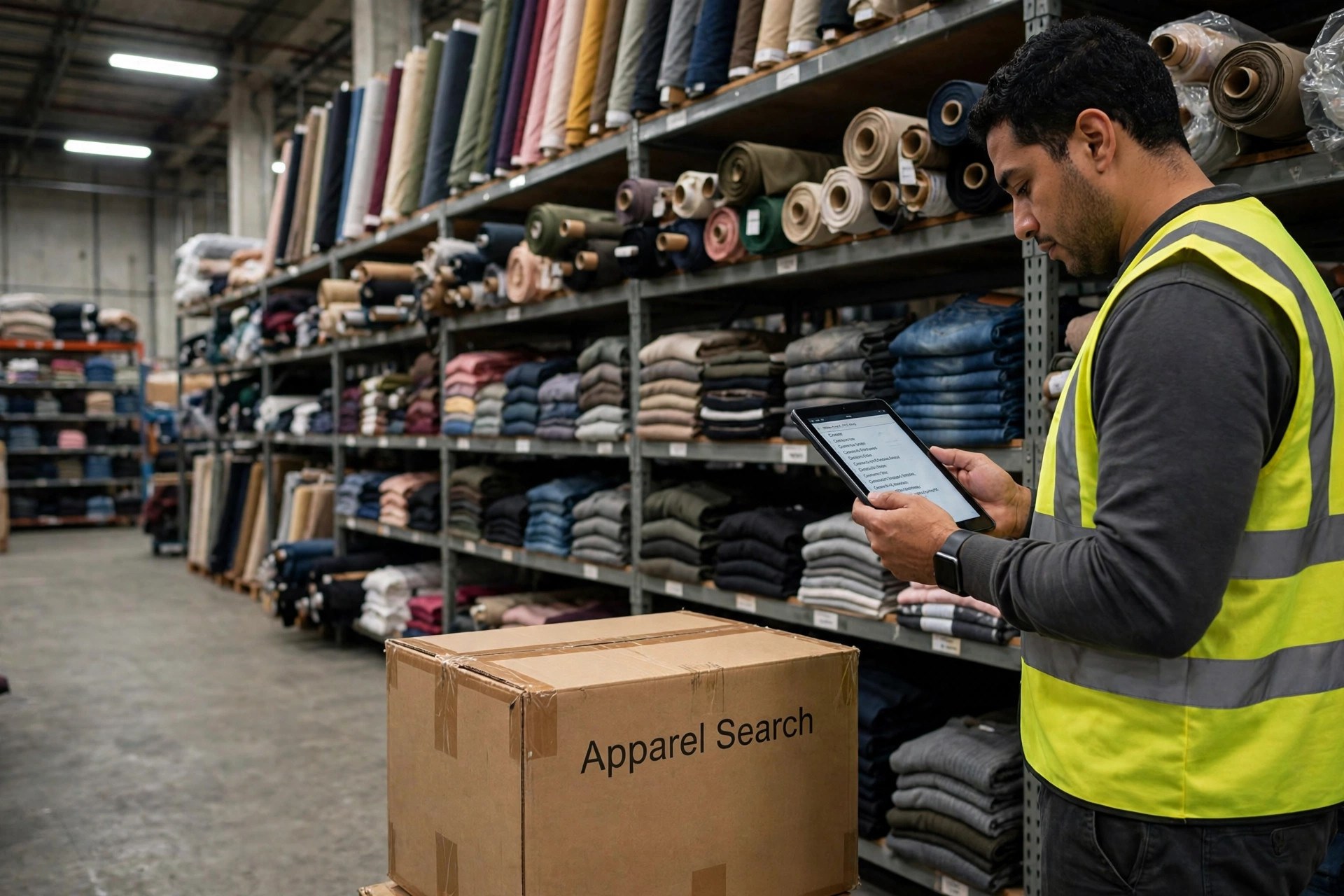
Within these systems, the fashion trade appears as knitted or crocheted fabrics, footwear and gaiters and parts of such articles, articles of apparel and clothing accessories whether knitted or crocheted or not, and the wider family of apparel and related products. A single shipment — say, knitted cotton shirts — carries an HTS code for the customs entry, moves through statistics under SITC and end-use groupings, and is produced and sold by businesses classified under NAICS and, in older data, SIC. When a figure in a trade report looks wrong, the mismatch is often a classification mismatch rather than a trade change.
Find the codes with the Commodity Description Lookup linked in the references below, which lets you search the Commission's commodity descriptions across these systems. If you are working through a live entry rather than research, pair the lookup with the duty rates guide — the HTS code you settle on is what sets the rate — and with a licensed customs broker for anything valuable or ambiguous. While you are in the shipping documents, the delivery order page explains another term that appears on apparel cargo paperwork.
More Shipping & Freight Guides
Common Questions
What is the difference between HTS and NAICS codes?
HTS codes classify the goods themselves for customs — they drive duty rates and trade statistics. NAICS codes classify businesses and production activities in North America. A garment has an HTS code; the company making or selling it has a NAICS code.
Which code system do I need for a customs entry?
The Harmonized Tariff Schedule (HTS). The HTS code on the entry determines classification, duty treatment and admissibility paperwork. SIC, SITC and NAICS are statistical and industry-classification systems, not entry systems.
Where do I look up a commodity description?
The U.S. International Trade Commission's Commodity Description Lookup, linked below, searches commodity descriptions across the HTS, SIC, SITC, NAICS and end-use code systems.