Embellished Ball Gown
The Apparel Search guide to finding your perfect gown.
Shop Embellished Ball Gowns Now
Shop Embellished Ball Gowns on eBay Shop Embellished Ball Gowns on AmazonThe eBay and Amazon links on this page are affiliate links. If you make a purchase through them, Apparel Search may earn a commission.
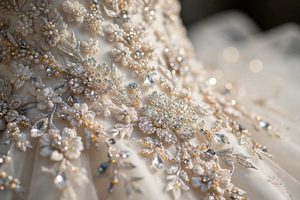
Embellishment is the umbrella term for the decorative arts applied to a gown: embroidery, appliqué, beadwork, sequins, and threadwork combined into a designed surface. An embellished ball gown might carry floral embroidery climbing the bodice, scattered sequin motifs across the skirt, or lace appliqués edged in tiny pearls.
The beauty of embellishment is its artistry — no two hand-embellished gowns are exactly alike. The risk is quality variance: dense, well-secured embellishment looks couture, while sparse or loosely applied work looks cheap. Density and symmetry are your quality tells.
What to Look For When Buying
Examine embellishment density: motifs should be evenly spaced and symmetrical side to side. Pull gently at an edge — nothing should lift or feel glued. Check the inside: quality gowns back embellished areas with stabilizer so the fabric doesn't pucker. Heavier embellishment belongs on sturdier fabrics; delicate chiffon with heavy beading will sag.
Styling an Embellished Gown
Match your accessories to the embellishment's mood — romantic florals want soft waves and pearl drops; geometric Art Deco motifs want sleek hair and architectural jewelry. Let one area dominate: if the bodice is heavily embellished, keep the skirt clean, and vice versa.
Caring for Embellished Gowns
Professional cleaning only, and tell the cleaner about the embellishment type. Store hanging with tissue between folds to prevent motifs catching on each other. Inspect after each wearing; re-secure anything loose immediately.