Fashion Styles
Apparel Search fashion summary — a short guide to fashion styles.
Some people say it is all about the base; in fashion it is all about the style. Style is a distinctive appearance, with much to do with the clothing we wear and the image we portray, and it is partly reflected by the wardrobe we cultivate. Every time we put on clothing, we are making style choices — the only question is whether we make them deliberately.
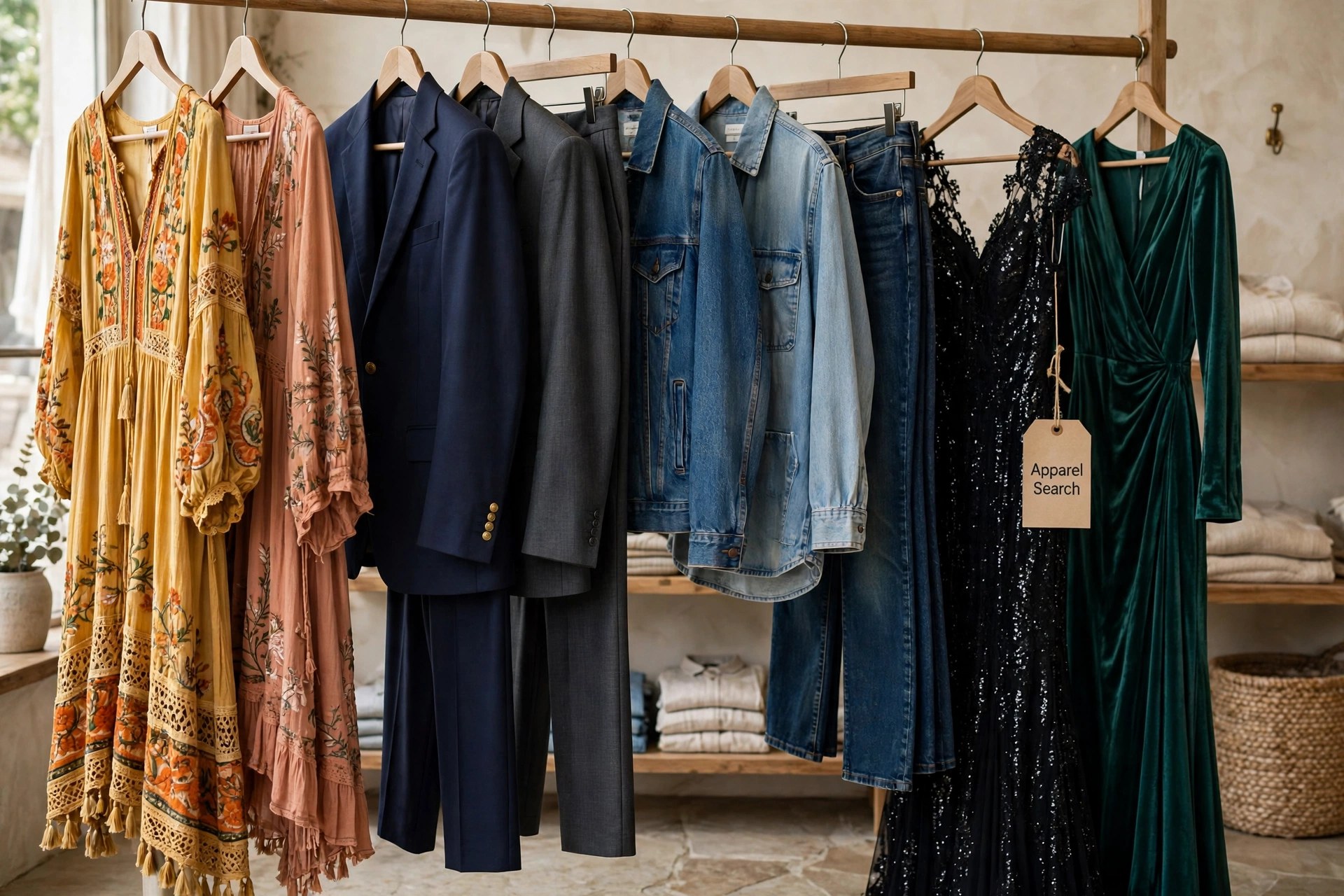
Fashion and Style: The Difference
Fashion is a popular trend, especially in styles of dress and ornament or manners of behaviour. Style is expressing yourself through what you wear. The distinction matters: fashion is collective and moves on a season's schedule, while style is personal and cumulative — our own sense of style, work requirements and financial status all play a role in what we wear, and two people can wear the same fashionable garment in entirely different styles.
Style is relevant to fashion styling, colour coordinating, accessorising and wardrobe assembling — the crafts that convert fashionable pieces into a personal look. The style definition page linked from here gives the term's formal treatment. A wardrobe built on style rather than fashion alone ages slowly, because its owner is dressing an identity instead of chasing a calendar.
Named Styles and Changing Seasons
The world of fashion is full of style choices, and the named categories help shoppers navigate them: boho fashion styles, from Bohemian dress, and sophisticated fashion styles are two of the families introduced here, each with its own palette, silhouettes and occasions. Learning the names is practical — a named style can be searched, shopped and briefed to a stylist in a way a vague preference cannot.
The one constant thing about fashion is that it will always change. Each season designers present new creations, and seeing new fashion styles each season refreshes the categories without abolishing them: boho returns in new fabrics, sophistication sharpens or softens. The wise wardrobe holds a personal core steady and lets seasonal style adjust the edges.
Style and Dress Codes
Do schools and work infringe on our stylistic freedoms? Some companies and schools require uniforms or very strict dress codes, which can eliminate or reduce an individual's style choices; others keep their codes loose, allowing students and staff to wear what they want within guidance, leaving a sense of choice and expression. The purpose of a dress code is to provide guidance regarding appropriate attire — the challenge arises when the institution and the individual define appropriate differently.
That tension is productive when it is honest: a clear code tells everyone the boundary, and style works inside it through fit, fabric, colour and accessories, as the fashion uniforms summary shows at the extreme end of the same question.
Building a Style, Not a Collection of Outfits
A personal style consolidates when its owner can state it: the two or three silhouettes that always work, the colours that are refused as firmly as the colours that are worn, and the level of formality that feels like dressing up versus dressing as someone else. Everything else in the wardrobe is then either an expression of that statement or a guest in it. The named styles help because they are ready-made statements that can be adopted, adapted or argued with — and arguing with one, deliberately, is how most recognisable personal styles actually begin.
Common Questions
What is the difference between fashion and style?
Fashion is a popular trend in dress that changes season by season; style is the distinctive, personal way an individual expresses themselves through what they wear.
What are some named fashion styles?
Boho (Bohemian) styles and sophisticated styles are two of the families covered here; named categories help shoppers search, brief stylists and build coherent wardrobes.
Do dress codes eliminate style?
Strict codes and uniforms reduce choice, but style still operates inside them through fit, fabric, colour and accessories; loose codes leave wider freedom of expression.