Bell Sleeves
Fashion Terms — the Apparel Search fashion terminology directory
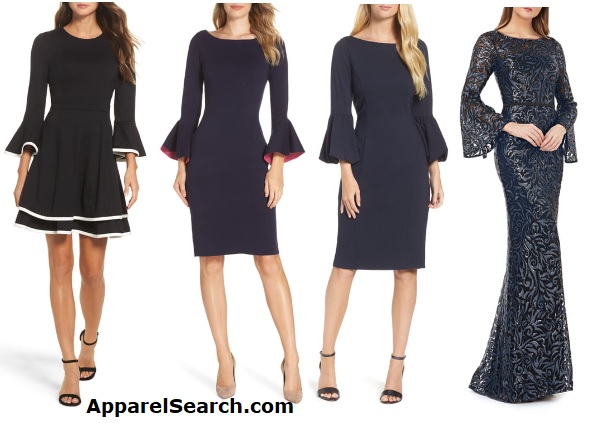
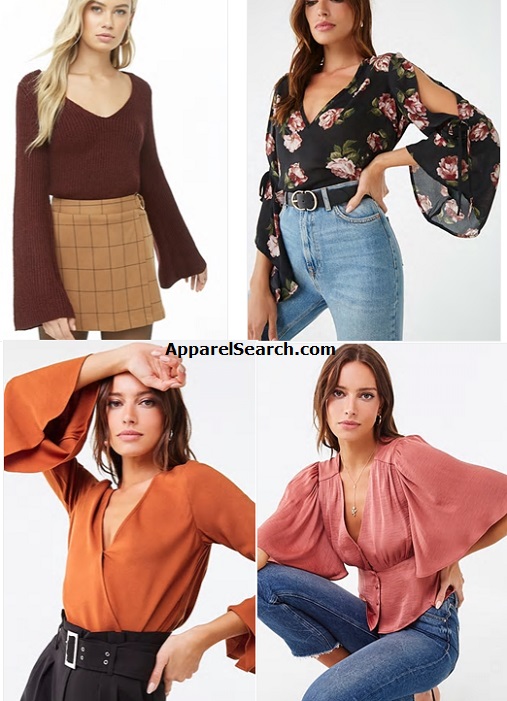
A sleeve is the part of a garment that covers the arm, or through which the arm passes or slips — and there are several different types. A bell sleeve is all about shape: it is created to have an appearance reminiscent of a bell, fitted above and flaring toward the opening. A bell sleeve can be either long or short, and it appears on tops, dresses and tunics.
First of all, a "sleeve" is the part of a garment that covers the arm, or through which the arm passes or slips. Their are several different types.
What are bell sleeves? It's all about the shape of the sleeve. This type of sleeve is created to have an appearance reminiscent of a bell in its shape. A bell sleeve can be either long or short and is usually set smoothly into the armscye (no pleating or shirring) and flares toward the bottom.
- In sewing, the armscye is the armhole, the fabric edge to which the sleeve is sewn. The length of the armscye is the total length of this edge; the width is the distance across the hole at the widest point.
- In sewing, shirring is two or more rows of gathers that are used to decorate parts of garments, usually the sleeves, bodice or yoke.
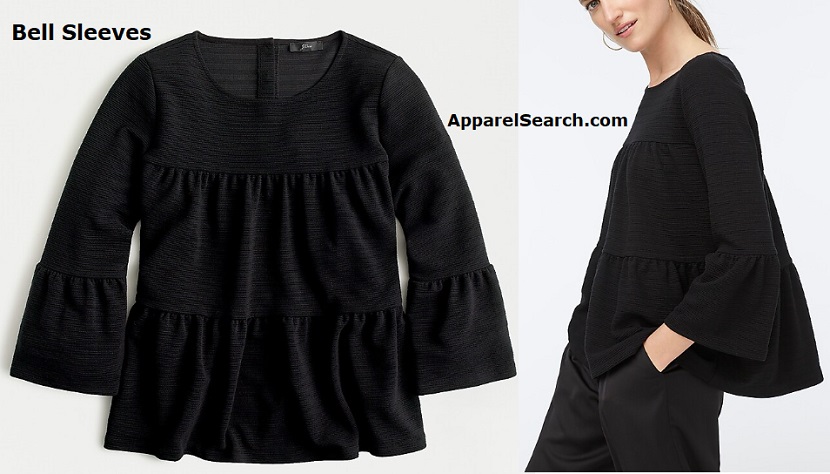
Similar sleeve types:
- Bishop Sleeves: If the sleeve is relatively full in circumference and is gathered or pleated into both the armhole and at the bottom, it is called a Bishop's Sleeve.
- Flared sleeves ending at the upper bicep are similarly shaped, but are instead called butterfly sleeves.
Bell sleeves may come in various sleeve lengths. Bell sleeves end anywhere from the elbow to the wrist.
Bell sleeves can be utilized on tops such as shirts & sweaters as well as other garments such as dresses.
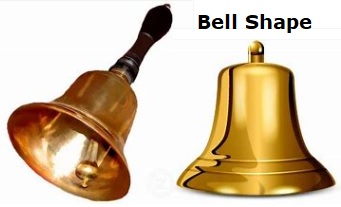
By the way, a bell is a hollow object, typically made of metal and having the shape of a deep inverted cup widening at the lip, that sounds a clear musical note when struck, typically by means of a clapper inside.
Learn more about sleeves in the clothing definition section.
You may also want to learn about bell bottom pants. If so, you can visit our bell bottoms definition page.
Styling and Sewing the Bell Sleeve
The bell sleeve changes how a whole garment reads because the eye goes to movement, and nothing on a bodice moves more than a flared sleeve opening. Designers use that deliberately: a plain shift dress becomes a statement when the sleeves swing, and a simple top gains a 1970s or bohemian character from the sleeve alone. The flare has to be balanced, though — a wide bell on a full, loose body can overwhelm the wearer, which is why bell sleeves are most often paired with a relatively clean, fitted bodice that lets the sleeve do the talking.
In construction, the shape is cut by slashing the lower sleeve pattern and spreading it into a curve, or by adding a gathered or seamed flounce at the elbow. The hem of the flare is the technical challenge: a wide curve wants to ripple, so it is usually finished narrow, sometimes with a facing, so the bell keeps a smooth edge. Fabric choice decides the effect — a crisp cotton holds the bell shape out like a lampshade, while a fluid rayon collapses it into soft folds that sway. Either way, the sleeve is a period marker: medieval and Renaissance dress used hanging, flared sleeves, Victorian day dresses revived them, and the 1960s and 1970s made the bell sleeve a defining silhouette of their era.
Common Questions
What are bell sleeves?
Sleeves shaped like a bell: fitted at the shoulder and upper arm, then flaring out wide toward the wrist or hem of the sleeve. The flare is the defining feature, and it can begin at the elbow or higher.
Can bell sleeves be short?
Yes. As this page notes, a bell sleeve can be either long or short — a short bell sleeve flares from a shorter length, while the classic form runs to the wrist with a wide, swinging opening.
Where can I learn about sleeves and bell bottoms?
The page links to the sleeves definition in the clothing definitions section and to the bell bottoms definition — the trouser leg that makes the same bell-shaped flare at the ankle.