Cosmetics: A Comprehensive Overview
The whole cosmetics industry mapped — subcategories, the largest companies, key products and the technology changing them.
Cosmetics, often referred to as makeup, is a vast and dynamic industry dedicated to enhancing and beautifying the appearance of the skin, face and body. This multifaceted sector encompasses various subcategories, each catering to specific beauty needs and preferences. This overview maps the whole territory: the ten subcategories of the industry, the largest makeup companies in the world, the essential products every category depends on, and the technology that is reshaping how cosmetics are formulated, made and sold. Start from the Makeup Guide for the product-by-product pages, or browse the wider Beauty section.
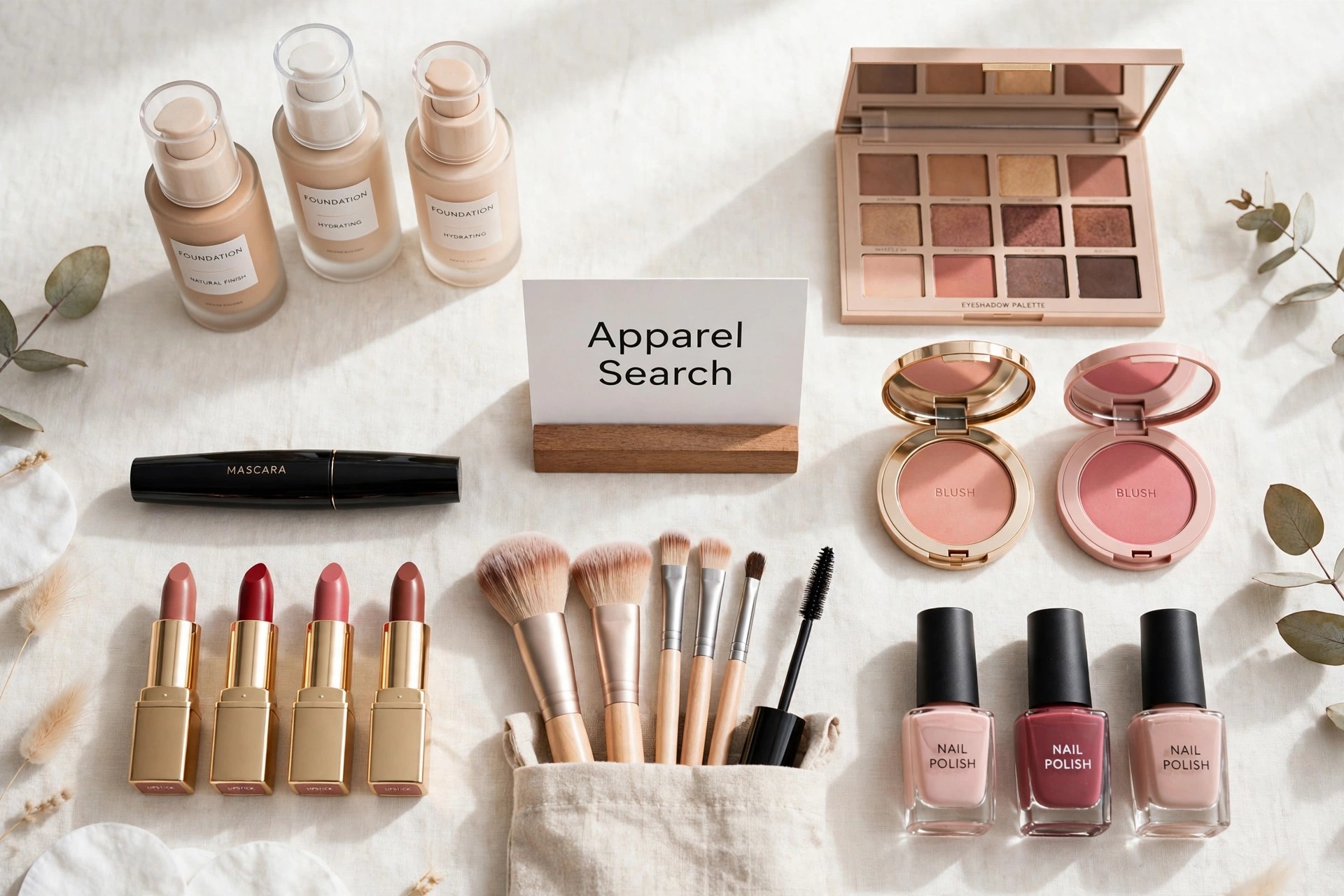
Subcategories of the Cosmetics Industry
- Skin Care
- Products that cleanse, moisturize and rejuvenate the skin: cleansers, moisturizers, serums and anti-aging products.
- Face Makeup
- Foundation, concealer, primer and setting powder, designed to create a flawless complexion.
- Eye Makeup
- Mascara, eyeshadow, eyeliner and eyebrow products, enhancing the beauty and expressiveness of the eyes.
- Lip Makeup
- Lipstick, lip gloss, lip liner and lip balm, adding color and texture to the lips.
- Cheek Makeup
- Blush and bronzer, adding warmth and dimension to the face.
- Nail Care
- Nail polish, removers and tools for maintaining healthy nails.
- Hair Care
- Styling products, shampoos, conditioners and hair treatments.
- Fragrances
- Perfumes, colognes, body sprays and scented lotions.
- Men’s Grooming
- Shaving creams, aftershave, beard care and skincare tailored to men’s needs.
- Specialty Cosmetics
- Face masks, serums and treatments targeting specific concerns such as acne, aging or hyperpigmentation.
The Largest Makeup Companies in the World
- L’Oréal
- The world’s largest cosmetics and beauty company, offering skincare, makeup, haircare and fragrance; its brands include Maybelline, Lancôme and Garnier.
- Estée Lauder
- A global leader in prestige beauty, with brands such as MAC Cosmetics, Clinique and Bobbi Brown.
- Procter & Gamble (P&G)
- Owner of Olay, CoverGirl and SK-II — one of the largest players in the industry.
- Coty
- Owner of CoverGirl, Rimmel London and Sally Hansen, specializing in cosmetics, skincare and fragrance.
- Shiseido
- A Japanese multinational offering skincare, makeup and fragrance under its own brand and others such as NARS and bareMinerals.
Key Products in the Cosmetics Industry
Ten products anchor most routines. Foundation evens out skin tone and provides a base for other makeup. Mascara makes lashes appear longer and fuller. Lipstick adds color to the lips, from subtle nudes to bold, vibrant shades. Eyeshadow palettes offer a variety of shades for eye looks. Concealer hides blemishes, dark circles and imperfections. Skincare serums target hydration, anti-aging or brightening. Blush adds a healthy flush of color to the cheeks. Makeup brushes and tools make application precise. Setting spray helps makeup last longer with a natural finish. Lip balm keeps lips hydrated and smooth as a base for lip makeup. If you are looking for a wide variety of options at a reasonable cost, the Amazon beauty products page is the shopping starting point.
Technology and Innovation
The industry has advanced significantly thanks to technology, improving products, production, sustainability and the customer experience. Product innovation: advanced formulations offer better performance, longer wear and skincare benefits from ingredients like peptides, hyaluronic acid and antioxidants; AI and machine learning enable personalized cosmetics and custom shades; augmented reality lets customers virtually try on makeup before buying. Sustainable practices: green chemistry develops biodegradable, eco-friendly ingredients and sustainable packaging; clean beauty answers the demand for products free from harmful chemicals; waterless products — powder-based cosmetics needing no water — conserve resources. Production efficiency: automation and robotics deliver precision and consistency, AI and machine vision improve quality control, and 3D printing plus sustainable materials cut waste and energy. Digital marketing and retail: e-commerce, social media, influencers and AI-powered chatbots reach a global audience, with virtual try-ons leading to more informed purchases.
What Comes Next
Expect advanced AI and machine learning to drive more sophisticated recommendations and personalized skincare routines; sustainability initiatives to expand into biodegradable packaging, zero-waste solutions and energy-efficient production; regenerative skincare to explore products that promote skin regeneration at the cellular level; green chemistry to keep producing safer ingredients; and virtual and augmented reality to make try-ons more realistic and brand experiences more immersive. The cosmetics industry is a vibrant and diverse world: whether you are a makeup enthusiast or simply looking to care for your skin, it offers a wealth of options to explore.
Common Questions
What are the main subcategories of the cosmetics industry?
Ten subcategories cover the industry: skin care (cleansers, moisturizers, serums, anti-aging), face makeup (foundation, concealer, primer, setting powder), eye makeup (mascara, eyeshadow, eyeliner, brow products), lip makeup, cheek makeup (blush and bronzer), nail care, hair care, fragrances, men's grooming, and specialty cosmetics such as face masks and targeted treatments for acne, aging or hyperpigmentation.
Which companies are the largest makeup companies in the world?
Five groups lead the industry: L'Oreal, the world's largest cosmetics and beauty company (Maybelline, Lancome, Garnier); Estee Lauder, the prestige leader (MAC Cosmetics, Clinique, Bobbi Brown); Procter & Gamble (Olay, CoverGirl, SK-II); Coty (CoverGirl, Rimmel London, Sally Hansen); and Shiseido, the Japanese multinational behind its own brand plus NARS and bareMinerals.
How is technology changing cosmetics?
In four directions: product innovation (advanced formulations with peptides, hyaluronic acid and antioxidants, AI-driven customization, augmented-reality try-ons); sustainable practices (green chemistry, clean beauty, waterless products); production efficiency (automation and robotics, AI quality control, 3D printing and sustainable packaging); and digital marketing and retail (e-commerce, social media, influencers and virtual try-ons).