Becoming a Handbag Designer
The educational process behind a career designing handbags.
Handbags are more than simply items to swing over your shoulder. In some cases they are pieces of art, and at other times they are simple fashion accessories used to transport your wallet, cell phone and keys. Either way, the design and development of handbags is a full-fledged business — and as such, there is an entire educational process behind becoming a professional handbag designer. If you wish to do more than simply shop for designer handbags, you may actually wish to become a designer yourself.

Handbag Designer Resources
What a Handbag Designer Does
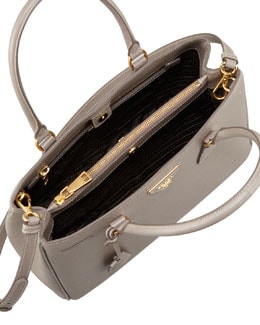
A handbag designer works at the meeting point of art and utility. The bag has to carry real things — wallet, phone, keys and everything else a day demands — and it has to do so in a shape, material and finish that people want to be seen carrying. Designers develop silhouettes, choose leathers, fabrics and hardware, work out how a bag is constructed and closed, and follow it through sampling and production until the finished piece matches the sketch. That is why the education behind the career covers three subjects at once: design, manufacturing and retailing.
The Fashion School Route
For those who wish to explore this option, investigate the various methods available to educate yourself on the subject of design, manufacturing and retailing. If you have the time and finances, the first appropriate step would be to attend a fashion school. A structured program teaches the craft in sequence — drawing and design development, materials, pattern and construction knowledge, and the business side of getting a collection made and sold — and it puts you in daily contact with teachers and fellow students working on the same problems.
Routes Without Fashion School
Those who do not have the time or money to attend a school that teaches fashion-relevant topics have other routes into the trade. It may be beneficial to contact a local fashion incubator — incubators and fashion resource centers support new designers with workspace, mentoring and business guidance — or to work through fashion associations, which connect newcomers to the industry and its events. Self-directed study of existing designers' work, of how bags are made, and of what retailers actually buy can stand in for parts of a formal program when it is pursued seriously.
Skills Worth Building
Whichever route you take, the same skills keep appearing in a working designer's week: sketching ideas clearly enough that a sample maker can follow them; knowing materials — how leather weights, canvas, synthetics and hardware behave in a finished bag; understanding construction, from seams and linings to frames and closures; and commercial judgment about sizes, colors and price points, because a handbag line lives or dies at retail. Studying the types of handbags buyers already know — the satchels, totes, hobos and clutches in the types guide linked below — is a practical way to learn the vocabulary of the trade.
Photos
Common Questions
Do I need to attend fashion school to become a handbag designer?
School is the recommended first step if you have the time and finances, because it teaches design, manufacturing and retailing in sequence. It is not the only route: fashion incubators, fashion associations and serious self-directed study offer other ways into the trade.
What subjects should a handbag designer study?
Design, manufacturing and retailing are the three core subjects: how to develop a bag on paper, how it is made from materials and hardware, and how it is sold. Materials knowledge and construction skills are as important as drawing.
What does a handbag designer actually do?
A designer develops silhouettes, chooses leathers, fabrics and hardware, works out construction and closures, and follows each style through sampling and production — balancing the bag's artistic side against its job of carrying a wallet, phone and keys.