Men's Surgical Masks Guide
Men's surgical masks are the flat, pleated medical masks - three layers of nonwoven material with ear loops or ties and a moldable nose strip - worn in clinical settings to protect the wearer from splashes and droplets and to protect patients and sterile fields from the wearer. Within this letter's medical cluster they are the face's piece of the system, alongside caps and surgical clothing; this guide explains their ratings, their fit, and their honest capabilities and limits.
Shop Men's Surgical Masks Now
Shop Men's Surgical Masks on Amazon Shop Men's Surgical Masks on eBayThe Amazon and eBay links on this page are affiliate links. If you make a purchase through them, Apparel Search may earn a commission.
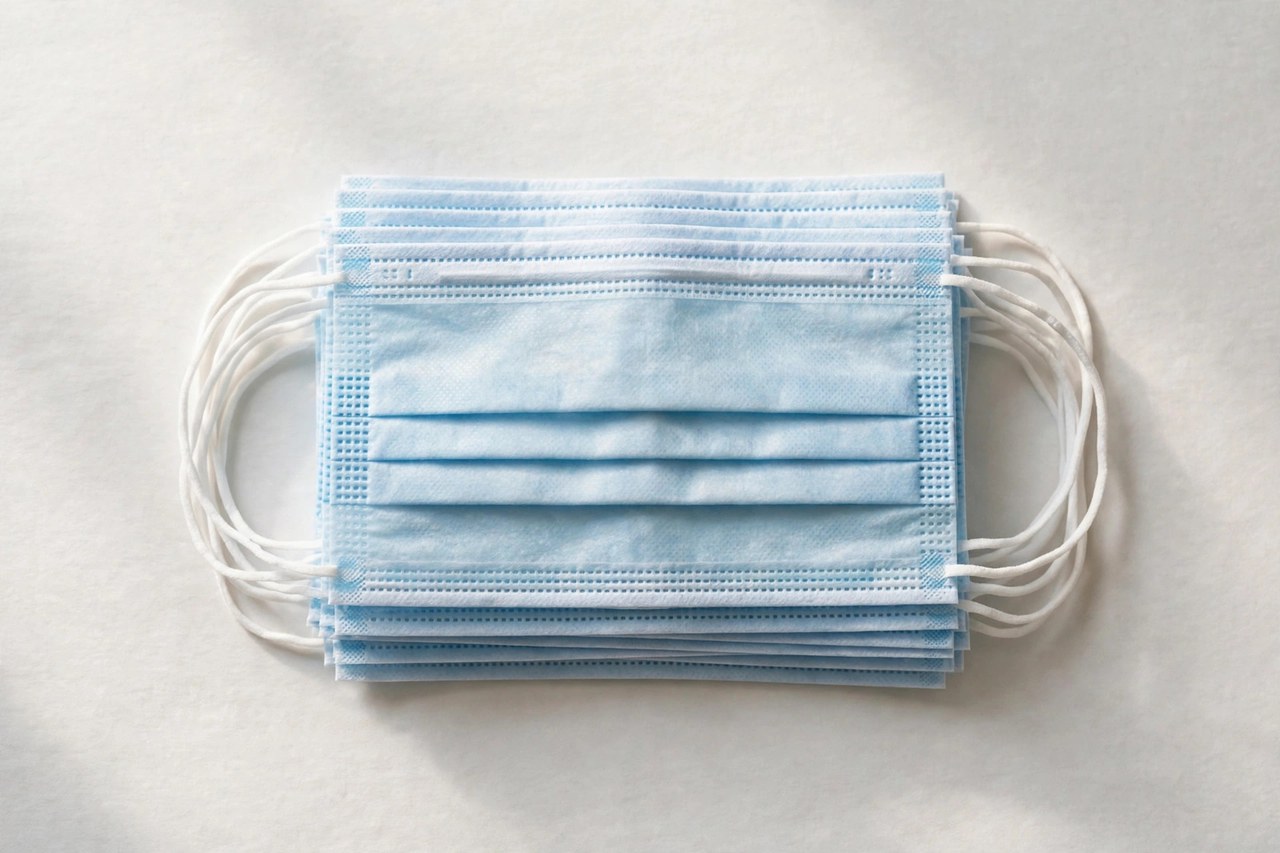
Men's surgical masks are the flat, pleated medical masks - three layers of nonwoven material with ear loops or ties and a moldable nose strip - worn in clinical settings to protect the wearer from splashes and droplets and to protect patients and sterile fields from the wearer. Within this letter's medical cluster they are the face's piece of the system, alongside caps and surgical clothing; this guide explains their ratings, their fit, and their honest capabilities and limits. This guide walks through the choices that matter - style, fit, fabric and finish - with the practical detail a product listing rarely gives you, and closes with the care habits that keep the garment in service.
Filter Layers and the ASTM Levels
A surgical mask is a rated filter sandwich. The outer layer repels fluids, the middle melt-blown layer does the filtering, and the inner layer absorbs the wearer's moisture. In the United States, ASTM F2100 rates medical masks at Levels 1, 2 and 3 by fluid resistance, bacterial and particle filtration efficiency, breathability and flammability - Level 1 for low-fluid work, Level 3 for heavy splash environments. What a surgical mask is not is a respirator: it does not seal to the face, so it does not carry the N95's protection against fine aerosols for the wearer. Ties seal a little better than ear loops for long cases; the moldable nose bridge is the fit detail that decides whether your glasses fog and whether the mask's top edge does its job.
Accessories reward material honesty: solid metal over plated base metal, full-grain leather over bonded scraps, stitching over glue wherever fabric or hide is joined. Work every moving part through its full travel before paying - clasps, hinges, springs, adjusters - because small hardware fails before large materials do. And budget the care with the purchase: conditioner, the right cloth, a dry drawer; an accessory you can maintain will outlast a finer one you cannot.
Fit and the Nose Seal
Fit a surgical mask by seal at the edges you control: the nose strip pinched to the bridge's actual shape (two fingers, both sides, once), the pleats opened to cover from nose to below the chin, loops comfortable or moved to cap buttons for long wear. A mask worn under the nose is a chin warmer with a rating it is not delivering. Men with beards should know the fact plainly: facial hair breaks what little edge seal a loose mask has, and respirator-level work calls for respirator-level solutions, not optimism.
Accessories have exact fits and exact measures: belt length to the middle hole of a belt you own, hat size as head circumference, a watch case within the wrist's width. Makers' accessory charts vary more than apparel charts, so measure and use the chart rather than ordering a habitual letter - ninety seconds with a tape prevents the most avoidable returns in menswear.
Use and Disposal
Surgical masks are single-use devices: one patient encounter pattern or one shift segment per facility protocol, replaced when damp, soiled or damaged, and never washed, sprayed or resurrected - the filter layer's charge and structure are spent by moisture and handling. Handle by the loops, store spares dry and flat, and dispose of them as the clinical waste they are. The category's whole honesty is in its disposability: a mask's rating describes a fresh mask, worn correctly, once.
Store accessories deliberately: leather away from sun and plastic, metal dry, belts rolled or hung by the buckle rather than folded at the same crease forever. Condition leather a few times a year, polish metal with the cloth meant for its finish, and repair hardware early - a loose screw today is a lost cufflink or a failed clasp next month. Rotate daily pieces in pairs and both will outlast a single workhorse.
Common Questions
What do ASTM mask levels 1, 2 and 3 mean?
ASTM F2100 grades medical face masks by tested performance: fluid resistance (80, 120 or 160 mmHg), bacterial and sub-micron particle filtration efficiency (95% at Levels 1, 98% at Levels 2-3), breathability and flame spread. Level 1 suits low-fluid, general clinical use; Level 2 is the common middle for moderate exposure; Level 3 is for heavy-fluid surgical environments. The level is printed on regulated product - its absence marks a fashion mask, not a medical one.
Surgical mask or N95 - what is the difference?
Seal and purpose. A surgical mask is a loose-fitting barrier: it blocks splashes and droplets in both directions and protects the field and patient, but air and fine aerosols pass around its edges. An N95 respirator seals to the face and filters at least 95% of airborne particles for the wearer's protection, and requires fit to work at all. They are different devices answering different hazards, and neither substitutes for the other.
How long can one surgical mask be worn?
Until it is damp, soiled, damaged or the encounter protocol ends - in practice, a matter of hours of continuous wear in clinical use, not days. Moisture from breathing degrades both the filter's performance and the mask's structure, which is why the category is single-use by design. A mask carried in a pocket for a week has retired itself whatever it looks like.
More in Men's Clothes Guide S
What a Simple Surgical Mask Does
Simple surgical masks protect wearers from being splashed in the mouth with body fluids, and prevent transmission of body fluids from the wearer to others - for example, the patient; they also remind wearers not to touch their mouth or nose, which could otherwise transfer viruses and bacteria after touching a contaminated surface. Doctors and other healthcare professionals must carefully manage hygiene to protect themselves as well as patients, and protective clothing and barriers - masks, gowns, caps, eyewear and gloves - are an important aspect of maintaining it.
Looking for Men's Clothing Stores?
This guide explains men's surgical masks. To browse where to buy, visit our men's clothing store directory, where you can find retailers that carry them.