Men's Vintage Vest Guide
A vintage vest, traditionally called a waistcoat, is a sleeveless garment worn over a shirt, either as part of a suit or as a separate piece. Older examples feature wool, tweed, linen, or patterned fronts with a smooth lining back, a column of buttons, welt pockets, and an adjustable rear strap. Cut, fabric, and button style reflect the vest's era and level of formality. This page focuses on the waistcoat itself: its fabrics, buttons, construction, and how it should fit over shirts.
Shop Men's Vintage Vest Now
Shop Men's Vintage Vest on Amazon Shop Men's Vintage Vest on eBayThe Amazon and eBay links on this page are affiliate links. If you make a purchase through them, Apparel Search may earn a commission.
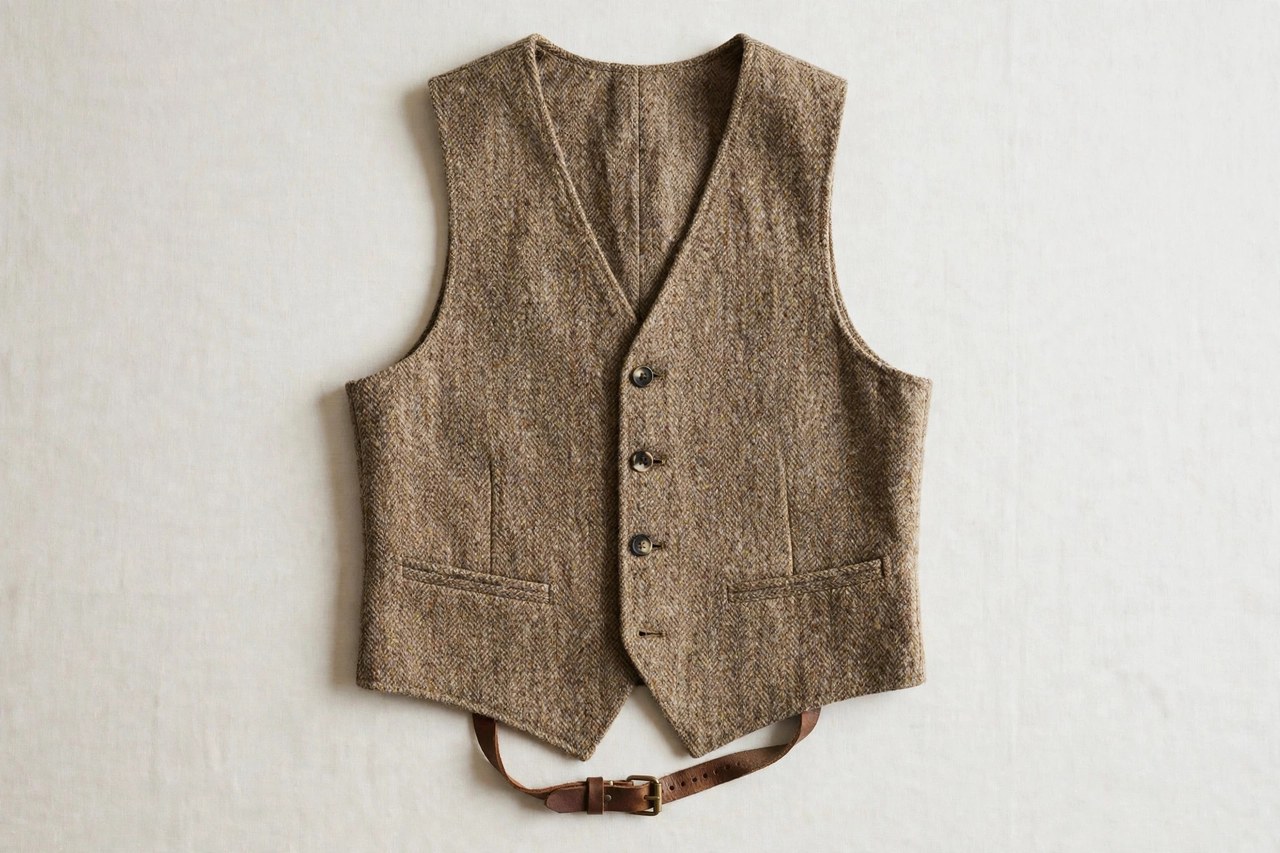
A vintage vest, traditionally called a waistcoat, is a sleeveless garment worn over a shirt, either as part of a suit or as a separate piece. Older examples feature wool, tweed, linen, or patterned fronts with a smooth lining back, a column of buttons, welt pockets, and an adjustable rear strap. Cut, fabric, and button style reflect the vest's era and level of formality. This page focuses on the waistcoat itself: its fabrics, buttons, construction, and how it should fit over shirts. This guide walks through the choices that matter - style, fit, fabric and finish - with the practical detail a product listing rarely gives you, and closes with the care habits that keep the garment in service.
Styles and Construction
Examine the front fabric for moth holes, stains, and wear around the buttonholes and pocket edges, where a waistcoat works hardest. Check that every button is present and original-looking, since replacements change both value and appearance, and inspect the back panel and strap buckle for tears or corrosion. Linings should lie smooth without bubbling. Hold patterned fronts in good light to spot fading differences between the vest and any suit pieces it is claimed to match.
A top earns its keep in finishing: seams that hang straight and stay even at eight to twelve stitches per inch, collars and plackets that lie flat after washing, buttons sewn with thread shanks so they sit in their holes without pulling. Hold the cloth to the light - a tight, even weave or knit outwears a loose one at the same labeled weight, and pattern pieces cut on grain keep the garment from twisting around your body by the third wash.
Fit and Sizing
A waistcoat should fit close without pulling, with buttons fastened comfortably, the bottom button traditionally left undone, and the hem covering the trouser waistband with no shirt gap showing. Measure your chest and waist over the shirt you will wear, and compare with the vest's measurements rather than a suit size. The rear strap refines the fit only modestly. Armholes should sit high and neat, and the length must suit your trouser rise to look right.
Fit tops shoulders and chest first, because tailors cannot cheaply move either: the shoulder seam ends at the shoulder bone, the chest closes without pulling, and both arms raise without the hem escaping the waistband. Tucked lengths must stay tucked sitting; untucked lengths should end mid-fly. Sleeves are the cheap alteration, shoulders the permanent one - reject a wrong shoulder for any reason, forgive a long sleeve for many.
Wearing and Care
Brush wool waistcoats after wear and have them cleaned with their matching suit where possible, so color and finish stay consistent across the set. Store the vest on a hanger or folded with closures fastened, away from sunlight that fades patterned fronts, and protect wool from moths during long storage. Press gently from the reverse side, taking care around buttons and pocket welts. Mend loose buttons promptly, since a lost original is difficult to replace convincingly.
Launder tops by the label with three defaults: cool or warm water to protect color and trims, dark and printed pieces inside out, and low or line drying, which is the largest single lever on a shirt's lifespan. Fasten buttons and zips before washing to protect the whole load, treat stains before the dryer can set them, and store knits folded so their shoulders keep the shape they were knitted with.
Common Questions
How should a vintage waistcoat fit?
It should lie close and smooth over your shirt with no pulling at the buttons, no gap between its hem and your trouser waistband, and high, tidy armholes. Leave the bottom button undone as tradition dictates. Use chest and waist measurements taken over your shirt, not your usual suit size label.
What fabrics are vintage vests made from?
Formal waistcoats often match the suit's wool, while separate odd vests appear in tweed, linen, corduroy, silk, and patterned or brocade fronts, usually with a plain satin or cotton back and an adjustable strap. Fabric weight and pattern set the formality, so match a tweed vest to casual tailoring and silk to evening wear.
Can a vintage vest be worn without the suit?
Yes, a single waistcoat works well over a plain shirt with trousers or jeans when its fabric has texture or pattern of its own. Keep proportions balanced, ensure the hem covers your waistband, and let the vest be the focal piece. Very plain, shiny suit vests can look incomplete worn on their own.
More in Men's Clothes Guide V
Background
First of all, let's assume you already know what "vintage" means. Just in case you don't in summary it is essentially clothing from a previous era. In the United States these items are generally referenced as "vests". However, in the past and in other countries they are often referred to as waistcoats. In short this type of clothing category is essentially a sleeveless upper-body garment (and NO, it is not the same as a tank top). Waistcoats worn with a suits (usually a single-breasted suit) generally have four to six buttons. When dressing more formal than a traditional suit the vest worn is a bit different. The waistcoats worn with white- and black- tie are different from standard daytime single-breasted waistcoats, being much lower in cut (with three buttons or four buttons, where all are fastened). The much larger expanse of shirt compared to a daytime waistcoat allows more variety of form, with "U" or "V" shapes possible, and there is large choice of outlines for the tips.
Looking for Men's Clothing Stores?
This guide explains men's vintage vest. To browse where to buy, visit our men's clothing store directory, where you can find retailers that carry them.