Women's Athletic Clothing Guide
Clothing that works as hard as the workout: the performance-first guide to fabrics, fit and training function.
Shop Women's Athletic Clothing Now
Shop Women's Athletic Clothing on eBay Shop Women's Athletic Clothing on AmazonThe eBay and Amazon links on this page are affiliate links. If you make a purchase through them, Apparel Search may earn a commission.
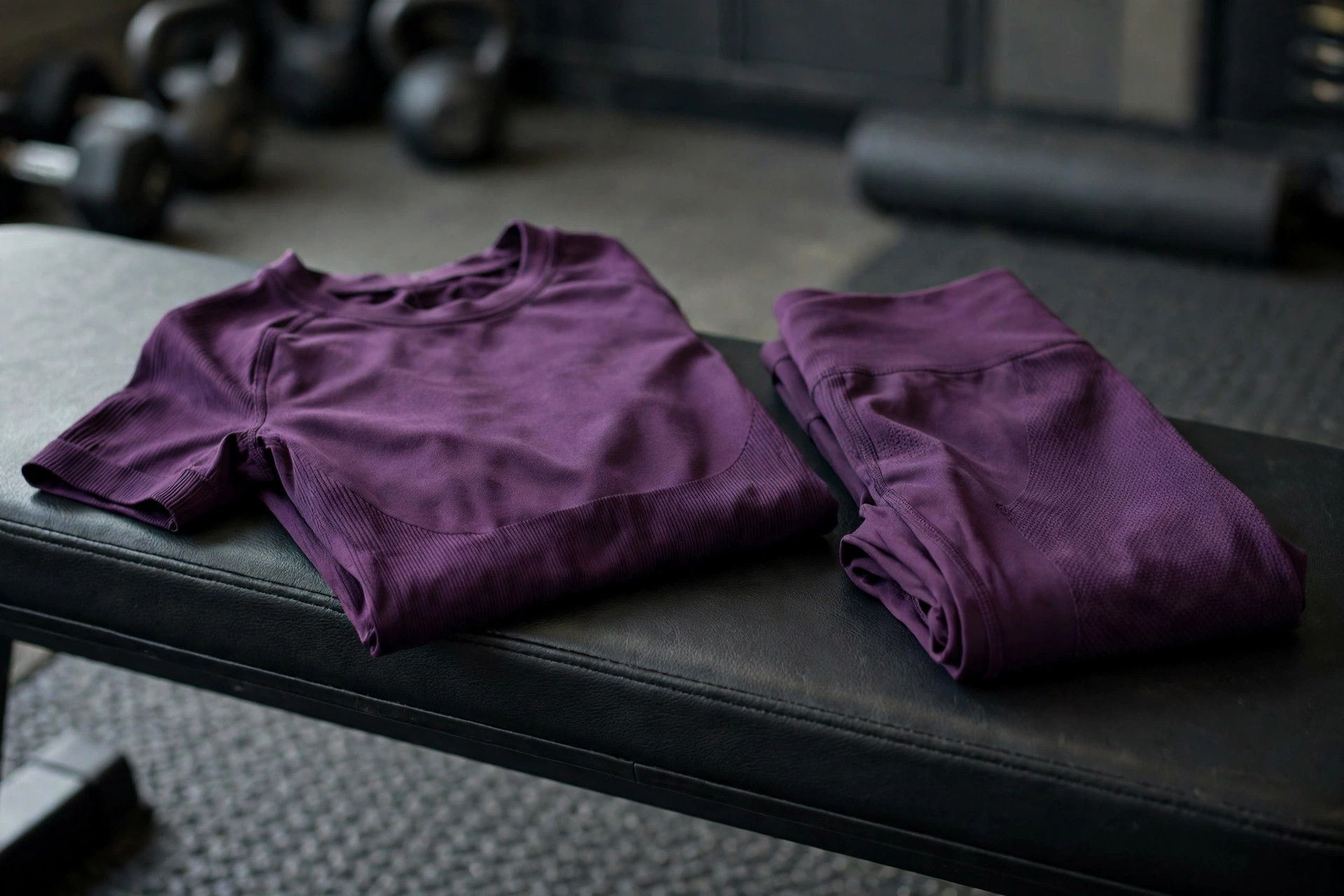
Athletic clothing has one job: perform during training. Where the broader category of athletic apparel includes lifestyle pieces, athletic clothing proper is the functional kit — the tops, bottoms, and layers engineered to manage sweat, heat, friction, and movement while you lift, run, stretch, and drill. Every design detail exists because an athlete needed it: a racerback for shoulder freedom, a gusset for a deep squat, a pocket positioned not to bounce. This guide focuses on function first, so you can build a training wardrobe that never gives you a reason to stop mid-set.
Sweat, Heat & Friction: The Three Enemies
Training clothing fights three battles. Sweat: wicking fabrics move moisture outward to evaporate before it chills you or weighs the garment down; the driest next-to-skin feel comes from polyester and nylon knits with textured inner surfaces. Heat: mesh ventilation in the back, underarms, and behind the knees dumps warmth where the body overheats, while lighter colors reflect sun outdoors. Friction: flatlock or bonded seams, tagless labels, and smooth linings prevent the chafing that turns a long session miserable. Cotton fails all three tests — it absorbs sweat, traps heat, and rubs when wet — which is why serious training clothing is almost entirely technical synthetics and performance blends.
Fit for Movement
Athletic clothing fits by function. Compression fits hug the body to reduce muscle vibration and make movement unencumbered — the choice for running, HIIT, and cycling. Fitted (not tight) is the gym default: close enough not to snag on equipment, loose enough to breathe. Relaxed fits serve warm-ups, cooldowns, and athletes who prefer airflow. Test any piece with the movements of your sport: squat and check opacity and waistband behavior, reach overhead and check the hem, lunge and check the knees. Clothing that passes in the fitting room performs in the workout; clothing that needs adjusting in the mirror will need it at minute forty.
Sport-by-Sport Clothing Choices
Each training style writes its own spec. Strength training wants stable, non-slip fabrics, squat-proof bottoms, and tops that stay put during floor work. Running wants the lightest wicking layers, anti-chafe everything, and visibility details for low light. Studio classes (yoga, Pilates, barre) want soft, stretchy, non-restrictive pieces that stay opaque in inversions. High-intensity training wants locked-down waistbands, supportive bras, and maximum ventilation. Outdoor training adds UPF sun protection and quick-dry finishes. Reading your week honestly and dressing for the actual demands is the entire secret of a functional athletic wardrobe.
Making Performance Clothing Last
Technical clothing is an investment that pays out over hundreds of sessions — if you wash it right. Cold water preserves elastane; skipping fabric softener preserves wicking (softener coats fibers and traps odor); air-drying preserves both. Wash matching pieces together, turn everything inside out, and use a sports detergent periodically to strip the biofilm that causes permanent gym-bag smell. Replace pieces when compression fades or seams start to chafe — worn-out athletic clothing fails at the worst moments, mid-workout, when you can least afford the distraction.
How Much Training Clothing Do You Actually Need?
The honest answer follows your laundry cycle, not your ambition. Count your weekly sessions, then own enough tops and bottoms to cover them plus two spares: a five-day-a-week trainer with weekly laundry needs roughly seven sets, while a twice-a-week athlete is well served by three or four. Sports bras follow the same math for high-impact activities. Build in a small buffer for travel and for the day the wash does not get done. Owning slightly more than the minimum keeps you from re-wearing unwashed gear (a skin-irritation risk) or skipping sessions for laundry reasons. Owning far more mostly means your favorites get diluted by pieces you tolerate — a focused rotation of proven performers beats a drawer of maybes.
Looking for Women's Clothing Stores?
This guide helps you choose women's athletic clothing by training type. To browse where to buy, visit our women's clothing store directory, where you can find retailers that carry them.