Women's Athletic Apparel Guide
The umbrella guide to sport clothing for women — every category, every fabric, and how the whole system fits together.
Shop Women's Athletic Apparel Now
Shop Women's Athletic Apparel on eBay Shop Women's Athletic Apparel on AmazonThe eBay and Amazon links on this page are affiliate links. If you make a purchase through them, Apparel Search may earn a commission.
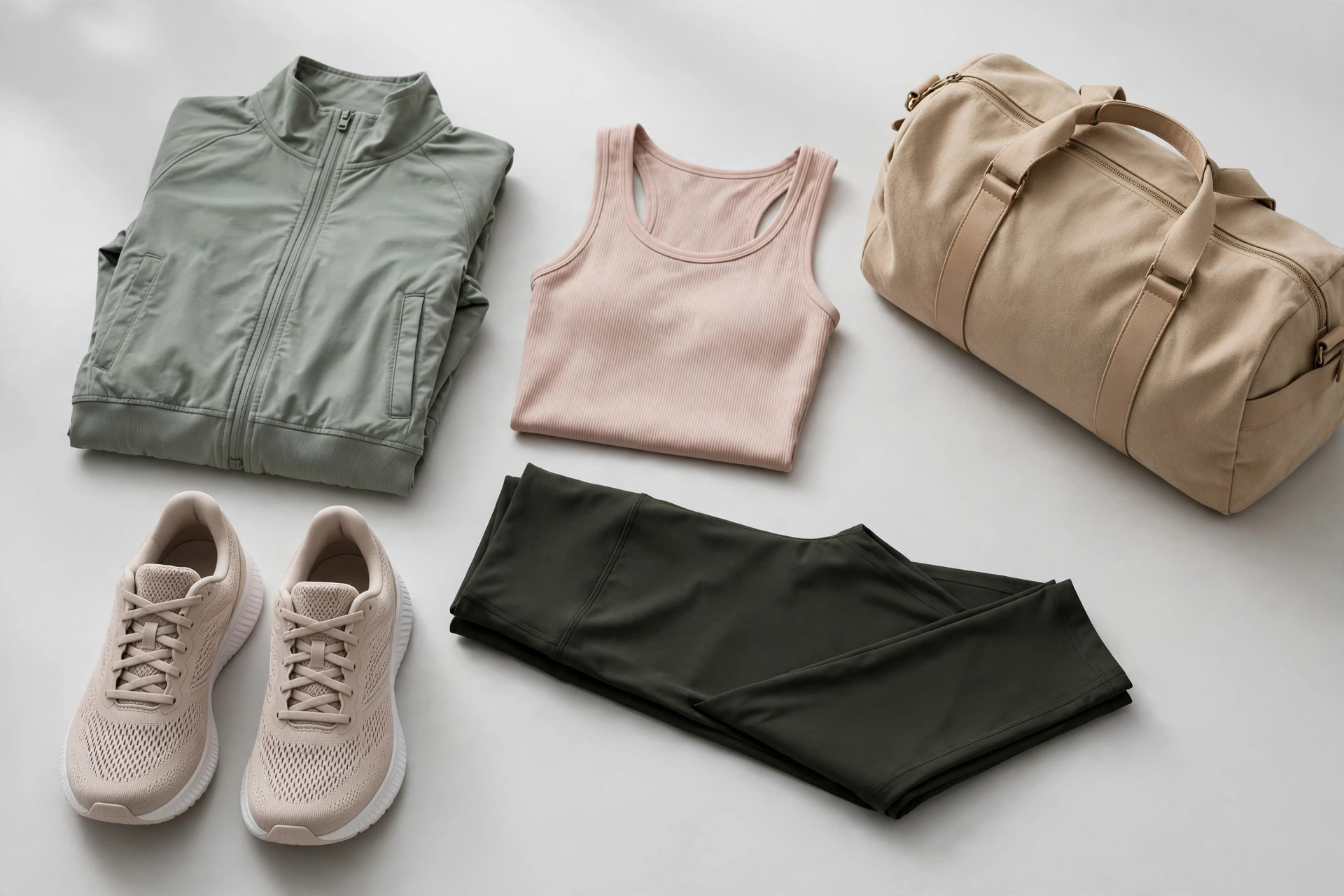
Athletic apparel is the complete wardrobe of sport: every garment designed to be worn while the body works. Where a single-item guide goes deep on one piece, this page is the map of the whole territory — the categories that make up women's athletic apparel, the material science they share, and how to assemble a kit that covers your sports without duplication. Think of it as the directory above the directories: start here, then dive into the specific guides for shoes, shirts, pants, swimwear, and more, linked throughout this page.
The Category Map
Athletic apparel organizes into layers and limbs. Base layers manage sweat against the skin: sports bras, athletic shirts, jerseys, and underwear. Bottoms divide into pants, shorts, leggings, and skirts by sport and season. Footwear and socks are their own science — training shoes, running shoes, sport-specific shoes, and technical socks that prevent blisters. Outer layers include warm-ups, jackets, and anoraks for weather and travel to the venue. Specialty apparel serves single sports: swimwear for the pool, padded shorts for cycling, jerseys for team play. Every piece exists on a spectrum from purely functional (competition kit) to lifestyle (athleisure), and knowing where a garment sits tells you how it should fit and what it should cost.
The Fabric Science They Share
Nearly all athletic apparel runs on three fabric ideas. Moisture management: synthetic fibers like polyester and nylon pull sweat off skin and spread it to evaporate, unlike cotton, which soaks and stays. Stretch and recovery: elastane blends let garments move and then return to shape, delivering both freedom and muscle-supporting compression. Engineered construction: flatlock seams against chafing, mesh zones where heat builds, gussets where bodies bend. Natural fibers play supporting roles — merino wool regulates temperature and odor for endurance and travel, and bamboo blends add softness to low-impact gear. Understanding these ideas once lets you read any athletic garment's label like an engineer.
Building a Kit by Sport
Start from your actual week. A runner needs shoes first (they are safety equipment), then weather layers of tops, two bottoms, and technical socks. A gym trainee needs supportive bras, squat-proof pants or shorts, breathable shirts, and training shoes with flat, stable soles. Team-sport athletes add jerseys and sport-specific shorts. Swimmers and triathletes anchor on performance swimwear. The universal rule: buy the pieces you wear most in the best quality you can, because athletic apparel works hard — a staple piece may be washed 100 times a year. Filling gaps deliberately, sport by sport, beats buying a matching set that looks great and serves nothing in particular.
Where the Category Is Going
Women's athletic apparel has grown from shrunken men's gear into the most innovative corner of fashion: recycled performance fabrics, seamless knitting that eliminates chafe points, adaptive apparel for athletes with disabilities, and maternity training lines are all now mainstream offerings. Fit has professionalized too — genuine women-specific lasts, cuts, and support research. The category guides in this directory follow these developments piece by piece; use this overview to keep the whole system in view as you shop each part of it.
Sustainability in Athletic Apparel
Athletic apparel's synthetic foundations have an environmental cost, and the category is actively answering it. Recycled polyester from plastic bottles and ocean waste now matches virgin fabric in performance; recycled nylon regenerates fishing nets and carpet fiber into premium leggings and swimwear. Merino wool is naturally renewable and needs less washing, and mono-material designs (a garment made from one fiber family) are beginning to make recycling at end-of-life realistic. As a shopper, the highest-impact moves are unglamorous: buy quality that lasts hundreds of wears, wash cold and less often, use a microfiber-catching wash bag for synthetics, and repair small damage instead of replacing. The most sustainable athletic garment is the one already in your drawer, worn for years.
Related Women's Guides
Photos

Looking for Women's Clothing Stores?
This guide helps you choose women's athletic apparel across every sport category. To browse where to buy, visit our women's clothing store directory, where you can find retailers that carry them.