Women's Athletic Swimwear Guide
Lap suits, racing backs and chlorine-resistant fabrics — swimwear engineered for training, not tanning.
Shop Women's Athletic Swimwear Now
Shop Women's Athletic Swimwear on eBay Shop Women's Athletic Swimwear on AmazonThe eBay and Amazon links on this page are affiliate links. If you make a purchase through them, Apparel Search may earn a commission.
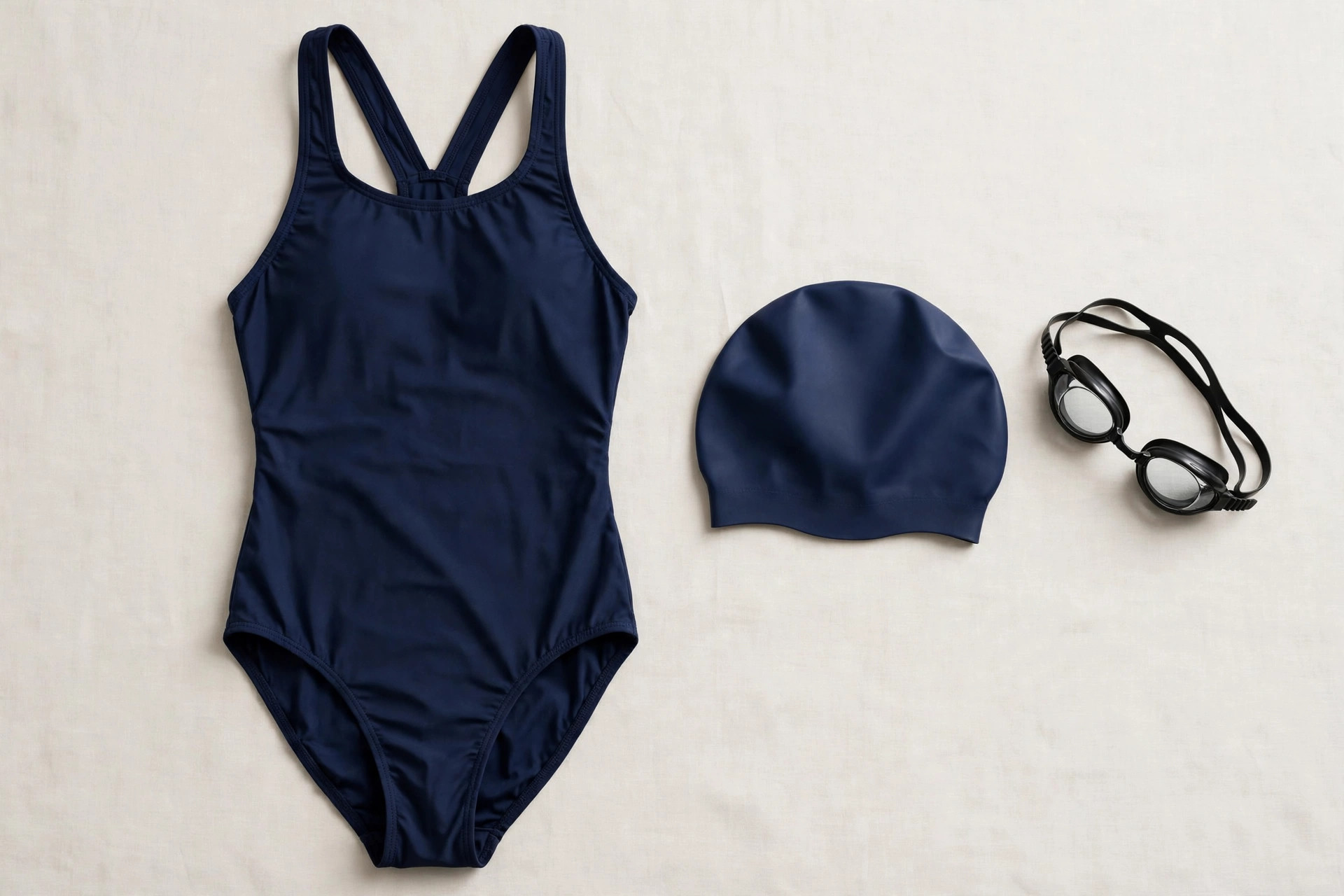
Athletic swimwear is built for the lane line, not the lounge chair. Training and competition swimsuits are engineered for hydrodynamics, durability against chlorine, and a fit that stays exactly in place through flip turns, dives, and thousands of strokes. They look different from fashion swimwear for good reasons: higher-performance fabrics, functional back designs, and a snugness that surprises first-time buyers. This guide explains the styles, the fabric technology that decides how long a suit survives the pool, and how to fit one correctly.
One-Pieces, Two-Pieces & Back Designs
The one-piece training suit is the standard: full coverage, zero drag distractions, in cuts from conservative to high-leg racing styles. Back design is the real variable — racerback and crossback straps free the shoulders for strokes and stay put; keyhole and open backs reduce fabric and tan lines; thick-strap backs add support for larger busts. Athletic two-pieces (sport bikinis) serve training in warm water, surfing, and beach sport, with secure tops that survive waves. Jammers and swim leggings add coverage options, and kneeskins and tech suits are the compression-engineered racing end of the spectrum, worn for competition rather than daily laps.
Fabric: The Chlorine Battle
Chlorine destroys ordinary spandex, which is why cheap suits bag out within a season. Training suits fight back with PBT and polyester-based fabrics that are inherently chlorine-resistant — a polyester training suit can outlast a nylon-spandex suit several times over in a chlorinated pool. Compression in athletic swimwear supports muscles and smooths the body's line through the water, but daily trainers should choose moderate compression for comfort across long sessions. All athletic suits aim for a second-skin fit with four-way stretch; if the fabric contains traditional elastane, expect a shorter life and rotate two suits to extend it — elastane recovers between swims when given a day of rest.
Fitting a Training Suit
An athletic swimsuit should feel tight on dry land: the fabric relaxes slightly in the water, and a suit that feels comfortable in the fitting room will feel loose at the wall. Straps should not dig trenches, leg openings should stay put when you mimic a turn, and the torso length matters as much as the size number — long-torso versions exist and transform the fit for taller swimmers. Many brands size training suits by bust measurement or dress size differently from fashion swimwear, so consult each brand's chart with your actual measurements. A properly fitted training suit lets you forget it entirely, which is the highest praise swimwear can earn.
Care to Make It Last
Rinse the suit in cool, clean water immediately after every swim — chlorine keeps working while the suit sits in your bag. Hand wash occasionally with a mild suit-specific wash, never machine wash or wring aggressively, and dry in the shade away from heat, which cooks elastane. Rotate two suits if you swim daily so each gets a full day to recover its shape. Avoid hot tubs in your good training suit (heat plus concentrated chlorine is the fastest suit-killer known), and sit on a towel rather than rough pool decks that snag the fabric. Treated this way, a polyester trainer serves season after season.
Open Water & Multi-Sport Notes
Athletic swimwear leaves the pool more often than it used to. Open-water swimmers should choose brightly colored training suits and pair them with a high-visibility cap — being seen by boats and safety crews matters more than streamlining in the lake. Under a wetsuit, a sleek one-piece with minimal hardware is the comfortable base. Triathletes split the difference with dedicated tri suits for race day, but training swims in ordinary athletic suits build the same fitness at a fraction of the cost. Beach-sport athletes (surfing, beach volleyball, paddle sports) want the secure end of the athletic range: crossback tops, snug bottoms, and fabrics that keep their fit when wet and sandy. One suit rarely does everything; match the suit to the water you actually swim in.
Related Women's Guides
Looking for Women's Clothing Stores?
This guide helps you choose women's athletic swimwear by style and fabric. To browse where to buy, visit our women's clothing store directory, where you can find retailers that carry them.