Women's Performance Apparel Guide
Performance apparel is clothing engineered for athletic performance: fabrics that manage moisture, regulate temperature and block odor, so the garment helps the workout instead of hindering it.
Shop Women's Performance Apparel Now
Shop Women's Performance Apparel on Amazon Shop Women's Performance Apparel on eBayThe Amazon and eBay links on this page are affiliate links. If you make a purchase through them, Apparel Search may earn a commission.
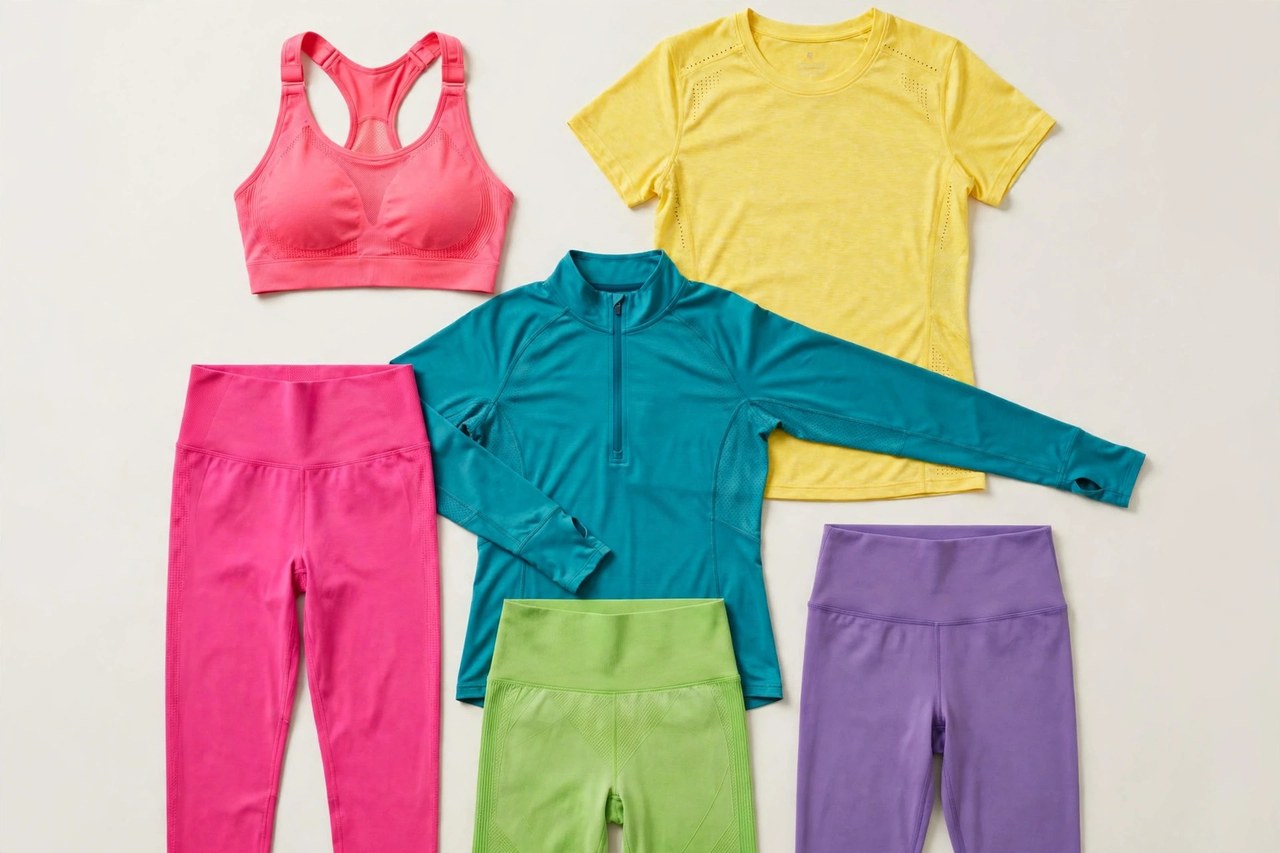
Performance apparel is clothing designed and engineered to improve athletic performance and comfort during exercise and sport. Note what it is not: the phrase has nothing to do with stage performance or costumes. It names the technical branch of activewear — running tops, training leggings, sports jackets, cycling and outdoor clothing — in which the fabric and construction carry deliberate technology: moisture management, waterproofing, stain and odor protection, antibacterial treatments and temperature regulation.
A plain cotton T-shirt absorbs sweat, gets heavy, chafes and chills. Performance apparel exists to solve exactly those problems, fiber by fiber. This guide explains each technology in plain terms, how the garments are constructed differently from ordinary sportswear, how to choose pieces for your activity and climate, and how to wash technical clothing so its treatments and elastane survive.
The Core Technologies
Moisture management is the foundation. Performance fabrics, usually polyester or nylon with engineered fiber shapes, pull sweat off the skin and spread it across the fabric surface to evaporate — wicking — rather than absorbing it like cotton. The wearer stays drier, lighter and less chilled. Temperature regulation builds on it: mesh ventilation zones dump heat in hot conditions, brushed and lofted interiors trap warmth in cold ones, and some fabrics use phase-change or mineral treatments to moderate swings in both directions.
Waterproofing and water resistance protect from the outside: durable water-repellent (DWR) finishes shed light rain, while membrane jackets (rated by waterproof and breathability numbers) block real rain while venting sweat. Odor protection and antibacterial treatments — silver-ion, copper or other antimicrobial finishes, and odor-absorbing fibers — inhibit the bacteria that make workout clothes smell, extending wear between washes. Stain protection finishes help fabrics release mud, grass and sunscreen in the wash. Treat marketing claims with judgment: the technologies are real, but durability varies, and a well-cut basic wicking fabric outperforms a gadget finish on a poorly made garment.
Construction: Fit, Seams and Sun Protection
Performance garments are patterned for movement. Articulated knees, gussets, raglan sleeves and four-way stretch panels let the clothing follow the body through a full range of motion without pulling. Flatlock seams, stitched flat against the body, are the standard defense against chafing on long efforts, and seamless knitted garments eliminate seams entirely at friction points. Fit is a functional choice: compression fits hug the muscles and are favored for recovery claims and zero-distraction training; fitted cuts skim the body for most training; relaxed cuts layer and ventilate for hiking and warm-ups.
Other construction details separate serious pieces from lookalikes. UPF ratings (UPF 30 to 50+) quantify sun protection in the fabric itself. Reflective details serve runners and cyclists in low light. Thumbholes keep sleeves over the hands in cold weather; watch and ponytail openings, media pockets and gripper hems solve specific annoyances. Ventilation is mapped to the body's heat zones — back, underarms, behind the knees — rather than placed decoratively. When comparing two similar garments, these mapped, purposeful details are usually where the price difference actually lives.
Choosing for Your Activity and Climate
Start from the activity's demands. Running and gym training prioritize wicking, lightness and anti-odor treatment, in fitted cuts that do not flap or chafe. Outdoor and trail use adds abrasion resistance, sun protection, water resistance and layering: a wicking base, an insulating mid-layer and a weatherproof shell, each in performance fabrics, regulate temperature far better than one heavy garment. Studio exercise such as yoga and Pilates prioritizes four-way stretch, squat-proof opacity in leggings, and soft seams. Cold-weather training needs brushed interiors, wind-blocking front panels and moisture management that still works when sweat meets cold air.
Size performance apparel by movement, not by the mirror: squat, lunge, reach and twist in the fitting room, and confirm that waistbands stay, leggings stay opaque, and tops do not ride up. Between sizes, most training pieces fit better snug, because fabric relaxes with heat and sweat; outdoor layering pieces fit better with room for what goes under them. Buy the technology your climate and washing habits support — a membrane jacket you will never reproof, or white stain-resistant kit for muddy trails, is technology spent in the wrong place.
Care: Keeping the Technology Working
Technical fabrics have one household enemy: fabric softener. Softener coats fibers, clogging the wicking channels, reducing breathability and trapping odor — the exact opposite of what the garment is for. Wash performance clothing cool, inside out, with ordinary or sport-specific detergent, skip softener and scent boosters, and air dry or tumble low, since high heat damages elastane and DWR finishes. Waterproof shells need occasional reactivation of their DWR (gentle heat after washing) and eventual reproofing when water stops beading.
Wash workout clothes promptly or air them until wash day; odor bacteria set into synthetic fibers left in a closed gym bag, and a vinegar pre-soak or sport wash helps rescue pieces that have developed a permanent smell. With correct care, quality performance apparel lasts through hundreds of sessions, and its technology fades gradually rather than failing at once. That durability is the real value case for the category: these are engineered garments, priced like equipment, and they repay being maintained like equipment.
Related Women's Guides
Photos


Looking for Women's Clothing Stores?
This guide helps you choose women's performance apparel. To browse where to buy, visit our women's clothing store directory, where you can find retailers that carry them.