Women's Bermuda Shorts Guide
Knee-length, tailored and office-appropriate — the polished short that behaves like a trouser, styled for every body.
Shop Women's Bermuda Shorts Now
Shop Women's Bermuda Shorts on Amazon Shop Women's Bermuda Shorts on eBayThe Amazon and eBay links on this page are affiliate links. If you make a purchase through them, Apparel Search may earn a commission.
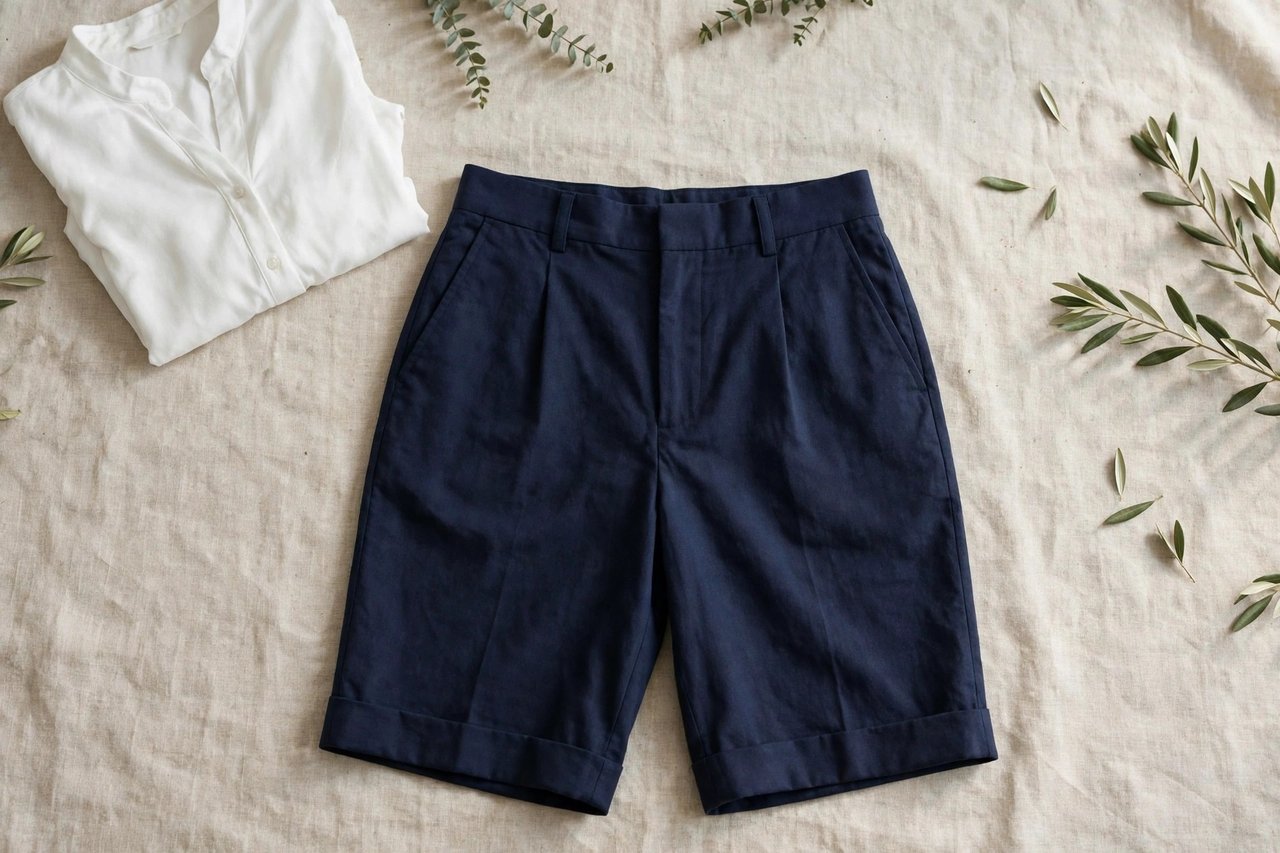
Bermuda shorts occupy a unique and useful corner of the wardrobe: shorts with the manners of trousers. Cut to end at or just above the knee and usually tailored with a proper waistband, fly, pockets and creases, they offer the coolness of shorts with coverage and polish that short shorts never attempt. That combination has made them a summer staple for offices with relaxed dress codes, for travel in warm climates, for golf and resort wear, and for anyone who prefers a longer line. Named for the island where knee-length shorts became part of formal business dress, the style carries a heritage of respectability that still works in its favor today.
The Bermuda is also one of the most body-friendly shorts styles ever designed. The longer inseam — typically nine to eleven inches — balances the hip, covers the upper thigh and creates an unbroken line that flatters a wide range of figures. The challenge is proportion: worn too baggy they read as frumpy, and worn too tight they lose their tailored character. This guide explains the cuts, fabrics and styling choices that keep Bermuda shorts looking sharp, including how to wear them to work without a second thought.
Cuts and Tailored Styles
The classic Bermuda is a straight, tailored short in a flat-front cut with a mid or high rise, a leg that follows the thigh without clinging, and a hem that lands within an inch or two of the knee. Slim Bermudas narrow the leg for a sleeker, more modern outline that pairs well with tucked blouses and loafers. A-line and slightly wider Bermudas skim away from the thigh and suit wearers who prefer ease through the leg; they read a touch more casual and look best in fluid fabrics. Cuffed Bermudas add a turned-up hem that shortens the visual length slightly and leans preppy, while high-waisted pleated styles bring a retro, dressy flavor that tucks beautifully.
Details telegraph formality. Belt loops, a button-and-fly closure, slant pockets and a pressed crease push a Bermuda toward trouser territory, while drawstring waists, cargo pockets and elastic backs pull it firmly into weekend wear. Length deserves a personal test: stand in front of a mirror and note where the hem falls relative to your knee. For most wearers, ending just above the knee is the most lengthening choice; a hem that cuts across the widest part of the knee or lands mid-kneecap can look awkward. Petite wearers often prefer the shorter end of the Bermuda range so the shorts do not overwhelm a smaller frame.
Fabrics for Office and Leisure
Office-appropriate Bermudas borrow their fabrics from suiting. Cotton twill and cotton-blend chino cloth in navy, khaki, black and stone are the everyday standard: breathable, structured and easy to pair. Linen and linen blends are the warmest-weather option, elegant despite their natural wrinkle, especially in a blend that adds cotton or viscose for resilience. Lightweight wool and polyester suiting produce the dressiest Bermudas of all, the kind that can stand in for trousers at a summer meeting with a blazer in a matching or coordinating fabric. Ponte and stretch twill add comfort for long days while keeping a clean surface.
Casual versions widen the palette: denim Bermudas in dark washes keep the polish while relaxing the mood, madras and seersucker bring classic summer pattern, and performance fabrics with moisture management serve travel and golf. Whatever the fabric, structure is the quality to look for — a Bermuda should hold its crease and its shape through a day of sitting, not collapse into wrinkles at the first chair. Lined or half-lined styles in suiting fabrics feel more formal and prevent any show-through in white and pale colors, which deserve a nude-undergarment check before their first outing.
Fit Advice by Body
Fit a Bermuda the way you fit a trouser: the waistband should sit smoothly at your chosen rise without gaping at the back, the front should lie flat with no pulling across the hip, and you should be able to sit, bend and climb stairs without the leg binding. Through the thigh, aim for a finger or two of ease; fabric that is painted on fights the tailored concept. If the leg opening flares away from your thigh in a stiff fabric, a tailor can narrow it slightly — an inexpensive alteration that transforms the whole look from boxy to bespoke. Length and leg width work together, so judge them as a pair rather than separately.
By body type, a few patterns help. Pear-shaped wearers often love Bermudas because the longer line balances the hip; a slightly A-line leg and a darker color below a lighter top keep proportions ideal. Apple shapes do well with a mid-rise, flat front and a structured waistband that smooths rather than squeezes, worn with tops that end at the hip. Straight figures can add shape with a belted waist, pleats or a cuffed hem. Tall wearers can carry the full knee-length classic with ease, while petite wearers should keep the leg slim and the hem at the shorter end of the range, pairing with shoes in a similar tone to extend the line.
Styling Bermudas for Work and Weekends
For the office, treat Bermudas as trousers that happen to end at the knee. A tucked silk or cotton blouse, a fine-gauge sweater or a tailored shirt supplies the top half, and a blazer in a coordinating fabric completes a summer suit effect that many workplaces welcome. Shoes decide the formality: loafers, ballet flats and low block-heel sandals keep the look professional, while sneakers instantly casualize it. A leather belt, simple jewelry and a structured bag reinforce the message that this is an outfit, not a shortcut. In conservative offices, choose the darkest, most tailored pair you own and save prints and denim for Fridays or elsewhere.
Weekends loosen every rule except proportion. Bermudas with a striped tee and boat shoes are a summer classic; with a camp shirt and sandals they suit markets and travel days; with a fitted tank and a long open shirt they handle beach towns gracefully. Because the shorts cover more leg, showing a little more shoulder or choosing a sleeveless top keeps the overall balance summery rather than covered-up. One versatile trick is the monochrome column: Bermudas and top in the same color family, broken only by shoes and a belt, which looks considered with almost no effort and travels beautifully.
Care and the Travel Case for Bermudas
Care is refreshingly simple for most Bermudas. Cotton twill and chino styles machine wash cold and benefit from a warm iron to restore the crease; hang them by the waistband or fold along the crease so the tailored line survives storage. Linen blends accept their soft wrinkle, but a quick steam before wearing keeps them intentional rather than slept-in. Suiting Bermudas may need dry cleaning if lined or made of wool, so check the label before the first wash. Treat white pairs promptly for sunscreen and grass stains, which are the occupational hazards of a summer staple.
The extra case for owning at least one excellent pair is travel. Bermudas pass dress expectations that short shorts fail: they are welcome in many churches, museums, upscale restaurants and resorts with dress codes, they protect thighs from hot seats and sun, and their pockets hold a phone and card securely on walking days. In a suitcase they fold flat, resist looking rumpled in a twill or ponte, and combine with nearly every top you packed. If you travel in warm weather at all, a navy or black tailored Bermuda may quietly become the hardest-working item you bring.
Related Women's Guides
More to Explore
Photos

Looking for Women's Clothing Stores?
This guide helps you choose women's Bermuda shorts by length, fabric and fit. To browse where to buy, visit our women's clothing store directory, where you can find retailers that carry them.