Women's Hosiery Colors Guide
Hosiery color is a finishing decision — the shade that either extends your outfit's line or interrupts it. A product guide to every family.
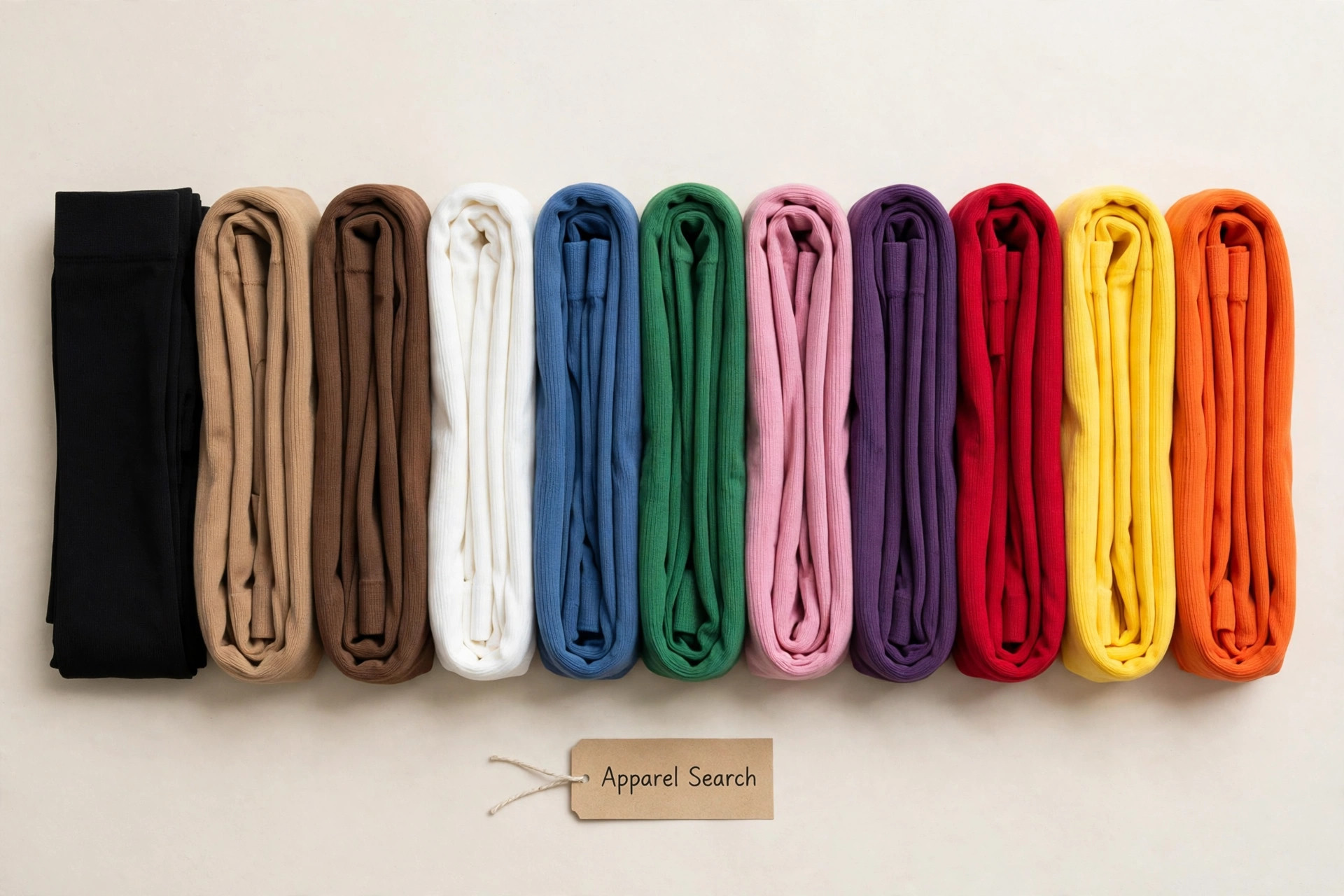
Hosiery is the smallest purchase with the largest visual leverage. The right shade lengthens the line from hem to shoe and disappears; the wrong one cuts the leg at the ankle and draws every eye to the join. Color choice in hosiery is also a product question: denier changes how a color reads, dye lots vary between brands. This guide covers the families in the order most wardrobes use them.
Black, Nude and the Skin-Tone Range
Black hosiery is the winter standard because it behaves like part of the shoe and the skirt at once: worn with black footwear it creates one continuous line, and in opaque deniers it reads as a deliberate layer rather than a covering. The trade-off is contrast — black hosiery against pale legs and light shoes divides the outfit into blocks, which is why the shoe pairing matters more than the skirt pairing.
Skin-tone shades, sold under names from nude and natural to tan and Suntan, aim to disappear, and the shade that works is the one closest to your own skin, tested on the leg rather than against the packet. Tan and brown shades run deeper and warmer; a shade slightly deeper than your skin usually looks more natural than one slightly paler, which can read as chalky in daylight.
Brown, White and the Fashion Colors
Brown hosiery, from coffee to espresso, is the warm neutral: it pairs with brown and tan footwear, softens black outfits, and suits autumn palettes where black feels too hard. White hosiery is a specific look rather than a neutral — classic with uniforms and certain retro styles, bright against the leg, and unforgiving of scuffs and ladders, which show on white faster than on any other shade.
The fashion families — blue, green, pink, purple, red, yellow and orange — are worn as accents. Navy is the most versatile of them, acting as a softened black. Deep shades like burgundy-leaning reds, forest green and plum work with winter clothing, while bright and pastel hosiery is a deliberate statement best kept to one per outfit.
Denier, Matching and Care
Denier is the hidden variable in hosiery color. The same dye looks pale and washed in a 10-denier sheer, true in a 40-denier semi-opaque, and flat and solid in an 80-denier opaque. When you find a shade you like, note the denier as carefully as the name, because reordering the same color in a different denier is effectively buying a different color. For a lengthening line, match hosiery to the shoe, not the hem; for a deliberate break, do the opposite and make it obvious.
Care protects color as much as the knit. Wash hosiery in a mesh bag or by hand in cool water, keep dark and bright shades away from pale washes, and dry away from direct heat and sunlight, which fade dyes unevenly. Colored hosiery snags and ladders like any other, so a spare pair in your core shade — usually black or your skin tone — is the cheapest insurance in the whole wardrobe.
Women's Hosiery Colors by Shade
Common Questions
Should hosiery match my shoes or my dress?
For the longest, quietest line, match the shoe: hosiery and footwear in the same family read as one unit, and the hem can then be any color. Matching the hem instead leaves the shoe as an island. A deliberate contrast is fine when it is clearly a fashion choice, with the hosiery as the accent.
Why does the same hosiery color look different between pairs?
Usually denier. Sheer deniers let skin show through and dilute the dye, while opaque deniers show the full color, so one shade name can look like three different colors across a range. Dye lots also vary slightly between brands.
How do I choose a skin-tone hosiery shade?
Test it on your leg in daylight, not against the packet or your hand. Aim for the closest match you can find, and if you are between two shades, take the slightly deeper one: a touch of warmth reads as natural, while a paler shade tends to look chalky or gray against the skin.
Thank you for using the Apparel Search website. We hope this guide helps you choose hosiery colors with confidence, and we invite you to keep exploring the color guides linked above as your wardrobe grows and seasons change.

Looking for Women's Clothing Stores?
This guide helps you choose hosiery colors that finish an outfit cleanly, from skin tones to fashion shades. To browse where to buy, visit our women's clothing store directory, where you can find retailers that carry them.
Search Apparel Search