Women's Red Coats Guide
Outerwear that turns a grey day around — shades, styles and styling for the red coat
Shop Red Women's Coats Now
Shop Red Women's Coats on Amazon Shop Red Women's Coats on eBayThe Amazon and eBay links on this page are affiliate links. If you make a purchase through them, Apparel Search may earn a commission.
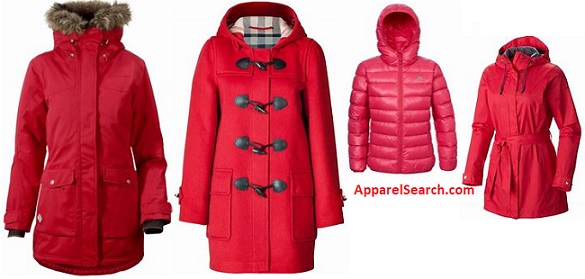
A red coat is the hardest-working statement a winter wardrobe can own. It is the layer everyone actually sees from November to March, worn over clothes that may be perfectly plain, and it has the rare ability to make a rushed outfit look intentional. A woman in a good red coat does not need to think about the sweater underneath; the coat has already made the decision for her, and it photographs well against snow, city stone and bare trees alike.
Because a coat is a considered purchase, the red has to be chosen well — the shade must suit your coloring, the style must fit your life, and the fabric must hold its dye through seasons of weather. This guide works through the reds that suit outerwear, the main coat styles in red, how to style one without fighting it, and the care that keeps a red coat from fading at the shoulders by its second winter.
Shades of Red for Coats
Outerwear covers a large area of color, so depth is usually kinder than brightness. Burgundy, wine and oxblood coats are the versatile end: they read rich rather than loud, pair with black, navy, grey, camel and denim, and stay appropriate from office to evening. They also hide city grime and show less fading than bright reds, which matters on a garment expected to last five years or more.
True red and scarlet coats are the classic statement — think of the iconic red wool coat over a black dress — and they suit women whose coloring takes strong color well. Cherry sits between, bright but slightly blue-deepened. Rust and brick reds work beautifully in casual coats and pair naturally with brown boots and autumn clothes. A useful rule: the longer and more formal the coat, the deeper the red should go; short jackets and trenches can carry the brighter shades with less commitment.
Styles and Fabrics in Red
The tailored wool coat is red's flagship style: single-breasted, knee-length, with a clean lapel, in wool or a wool blend that holds both structure and dye. Wrap and belted coats in red soften the color's boldness with shape. A red trench coat is the transitional-weather version, lighter in feel and shade, and it has a long fashion history as the cheerful alternative to beige. Puffer and quilted coats in red are the practical winter choice, and the color rescues them from pure utility. If the terminology trips you up, our Q&A explains the difference between coats & jackets.
Fabric decides how the red reads. Wool melton gives a matte, deep color; cashmere blends look softer and slightly muted; cotton gabardine in a trench holds a brighter, crisper red; satin-finish evening coats push red toward formal. Check linings and buttons too — a red coat with a well-chosen lining and horn-look or metal buttons reads finished. Whatever the style, try it over your thickest sweater, since a statement coat you cannot layer under is a coat you will stop wearing. The shade has history, too: scarlet “Redcoat” tunics were worn by most British Army regiments from the 17th to the 20th centuries and remain Commonwealth full-dress uniform today.
Styling a Red Coat
The coat is the outfit's headline, so build underneath it in quiet colors. Black is the classic base and turns a red coat instantly evening-ready; navy underneath deepens a burgundy coat elegantly; grey and charcoal let a scarlet coat look modern rather than retro. All-white or cream underneath a red coat is striking in midwinter and keeps the look clean. Let scarves and hats stay neutral — camel, black, cream, leopard if you like pattern — so nothing competes at face level.
Shoes and bags should support, not duplicate. Black or burgundy boots ground a red coat; a second bright red bag usually tips the look into costume unless it is an exact shade match in a deliberate monochrome outfit. Denim is the red coat's weekend friend: jeans, a white tee and a red wool coat is a complete, confident outfit. At work, a deep red coat over a navy or grey suit adds personality while staying entirely professional, because outerwear is understood to come off at the door.
Caring for a Red Coat
Coats are cleaned rarely, which makes each cleaning matter. Follow the label — most tailored red coats are dry-clean only — and tell the cleaner the garment is a strong dye color so it is processed with darks. Between cleans, brush wool coats with a clothes brush to lift surface dust before it dulls the color, air them after wearing, and treat small marks by spot-cleaning rather than washing the whole garment.
Storage decides whether a red coat fades. Keep it on a wide padded hanger in a breathable garment bag, out of direct light; a coat stored on a bright hallway hook can fade on one shoulder in a single summer. Fasten buttons and empty pockets so the shape holds. At season's end, clean before storing, since invisible stains set and attract moths. Handled this way, the strong red dye in a good wool coat should stay true for many winters — which is the whole point of buying the statement properly once.
More Red Clothing Guides
Looking for Women's Clothing Stores?
This guide helps you choose your red coat, from tailored wool styles to everyday winter warmth. To browse where to buy, visit our women's clothing store directory, where you can find retailers that carry them.