Women's Little Black Dress Guide
The most versatile garment ever designed: from Chanel's 1926 “Ford” to Audrey Hepburn's Givenchy, and how to choose the one black dress that does everything.
Shop Women's Little Black Dresses Now
Shop Women's Little Black Dresses on Amazon Shop Women's Little Black Dresses on eBayThe Amazon and eBay links on this page are affiliate links. If you make a purchase through them, Apparel Search may earn a commission.
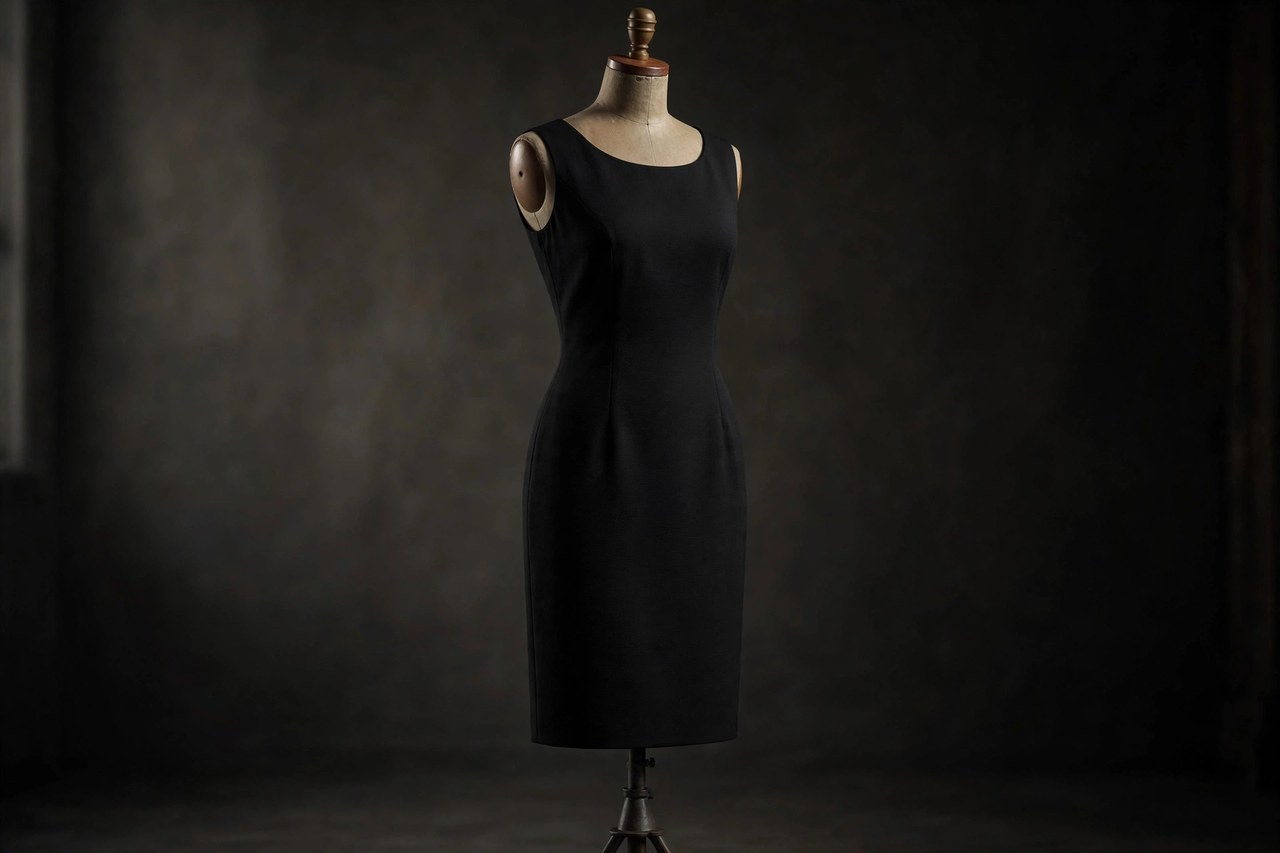
First, an important note from Apparel Search: if someone tries to sell you a little black dress that is blue, they are tricking you — the little black dress comes in only one color. What is special about it? It is not the actual dress that is special; it is the concept that a little black dress can be worn for so many occasions. It is the go-to dress when you are simply not sure what to wear, and it is considered essential to a complete wardrobe by many women.
Owning a simple yet elegant black dress is a positive for any wardrobe — we are hesitant to say it is a necessity, but it is most certainly a helpful garment to have. This guide covers where the idea came from, the silhouettes to choose among, and how one dress covers daytime business, weddings and balls.
A Short History
In 1926, American Vogue published Coco Chanel's design for a simple, short black dress in crêpe de Chine and compared it to the Ford automobile — black, simple, and destined to be everywhere. Chanel's revolution was to take black, then reserved for mourning and servants, and make it the uniform of the elegantly dressed woman. The “little black dress” was born as a deliberate idea: one affordable, versatile, neutral garment that accessories would dress up or down.
The concept's most famous moment came in 1961. The black Givenchy dress of Audrey Hepburn as Holly Golightly in Breakfast at Tiffany's, designed by Hubert de Givenchy, epitomized the standard for wearing little black dresses accessorized with pearls — together called “basic black” — as was frequently seen throughout the early 1960s. That dress sold at auction in 2006 for over £450,000, which is one way to measure an idea's durability.
Choosing Your Silhouette
The little black dress comes in a wide assortment of silhouettes, fabrics and sizes; the one thing that is consistent is the color. The sheath is the classic all-rounder — fitted, knee-length, sleeved or not — and the safest single purchase. The wrap dress forgives and flatters; the A-line suits formal settings where a sheath might feel stark; the slip dress is the evening-leaning option that layers under blazers by day.
Fabric decides the dress's range. A ponte, crepe or fine wool reads businesslike and travels without wrinkling; satin, lace and velvet narrow the dress toward evening. If one dress must do everything, choose a matte fabric, a knee length, and a neckline that works with both a blazer and a necklace.
Day to Evening: The Accessories Do the Work
A women's little black dress can be worn with a jacket and pumps for daytime business wear, or with more ornate jewelry and accessories for an evening or a formal event such as a wedding or a ball. It is simply a very versatile garment. Is a little black dress formal? It most certainly can be: pair it with appropriate accessories and footwear, because the footwear, jewelry, makeup and purse set the tone of the overall outfit more than the dress itself does.
The working wardrobe trick is the five-minute change: desk drawer holds heels, a clutch and one piece of real jewelry; the dress that attended a 4 p.m. meeting attends a 7 p.m. dinner. Keep a lint roller nearby — black shows every speck, which is the LBD's only honest drawback.
Buying to Last
Because you will wear it for a decade, buy the best construction your budget allows: lined bodice, finished seams, a zip that runs smoothly, and a fabric that recovers from a suitcase. Try it sitting down and with the shoes you will actually wear. And since the color is fixed, explore our dress-by-color resources (linked below) when you want the same versatility in navy, red or white.
Related Women's Guides
Photos

More to Explore on Apparel Search
Looking for Women's Clothing Stores?
This guide helps you choose women's little black dresses. To browse where to buy, visit our women's clothing store directory, where you can find retailers that carry them.