Women's Petite Prom Dress Guide
A petite prom dress gives a shorter teen or young woman the full formal effect — ball gown, mermaid or A-line — with the bodice, waist and hem graded so the drama fits a 5'4"-and-under frame.
Shop Women's Petite Prom Dress Now
Shop Women's Petite Prom Dress on Amazon Shop Women's Petite Prom Dress on eBayThe Amazon and eBay links on this page are affiliate links. If you make a purchase through them, Apparel Search may earn a commission.
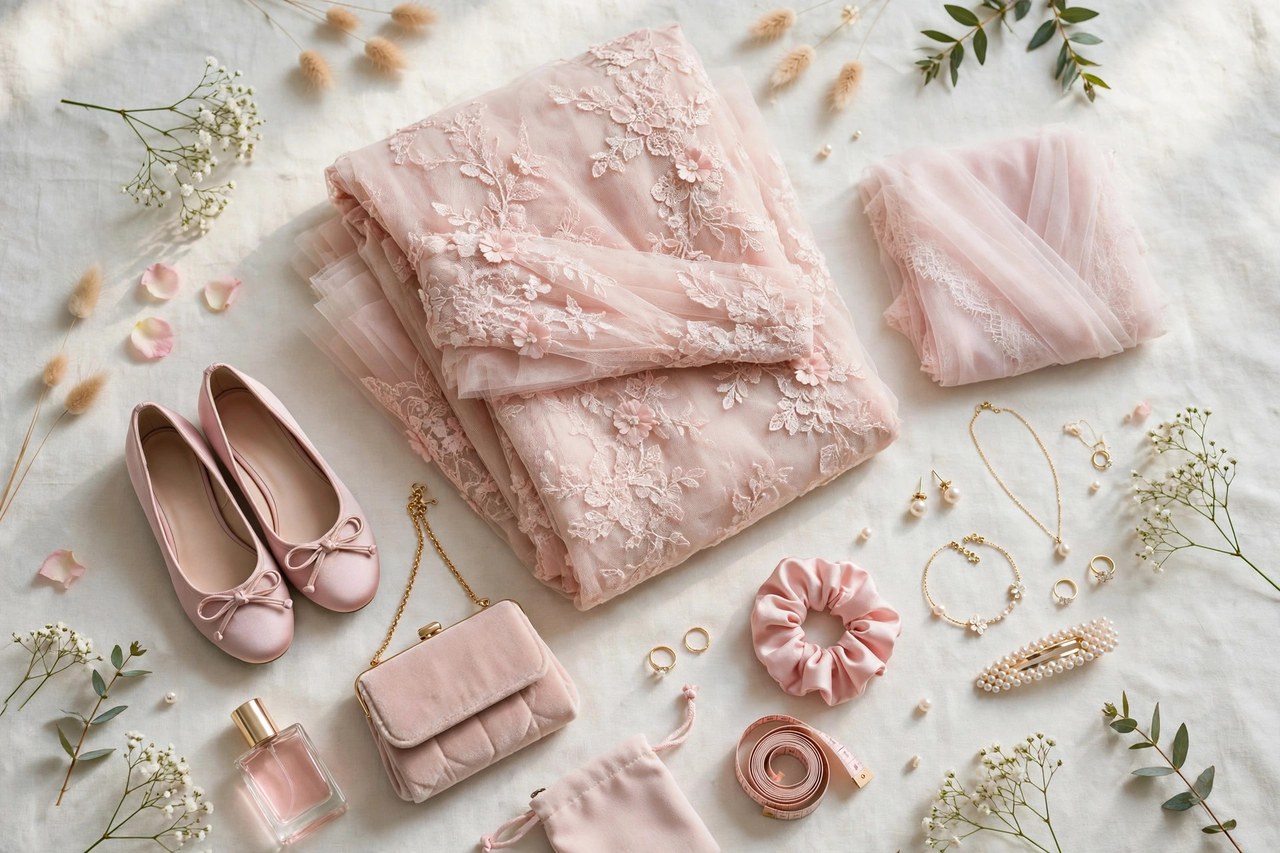
A prom dress is formalwear for a specific, photographed, once-a-year event, and it is chosen younger and worn more actively than almost any other gown — it must survive dinner, hours of dancing, and hundreds of pictures. For petite wearers, 5'4" and under, standard prom dresses present the usual problems in exaggerated form: ball gown skirts with several extra inches of length, bodices whose waist seams land at the hip, and embellishment scaled for a taller torso.
Petite prom dresses are graded for the shorter frame from the start: bodices shortened so the waist sits at the waist, skirts proportioned so volume reads as grandeur rather than swamping, straps and necklines placed for narrower shoulders, and hems that need at most a small adjustment for heel height. This guide covers the main silhouettes in petite terms, fabrics and embellishment scale, the alterations conversation, and how to buy on a school-year timeline.
Silhouettes: Ball Gown, A-Line, Mermaid and Two-Piece
The ball gown — fitted bodice, defined waist, full skirt — is the silhouette petite grading helps most: the waist is raised to the natural waist, the skirt's volume is kept in proportion, and the hem is cut so a petite wearer gets the sweep without dragging a train of extra tulle through the venue. The A-line is the near-universal flatterer, fitted at the top and flaring gently from the waist or hip; in petite cuts the flare begins at the right point on a shorter leg, which keeps the line clean in photos.
The mermaid and trumpet styles hug the body to the knee before flaring, and they demand the most precise petite grading, because the flare point must meet a shorter knee exactly — a regular mermaid on a petite frame flares at mid-shin and ruins the effect. Two-piece prom sets, a cropped or fitted top with a separate skirt, are naturally petite-friendly since each part sizes independently, and shorter high-low and tea-length styles offer formal impact with easier movement and no hem risk at all.
Fabrics, Embellishment and Scale
Prom fabrics run to tulle and organza for volume, satin and mikado for structure and sheen, chiffon for softness, and sequin and beaded fabrics for full sparkle. On a petite frame, fabric weight is a comfort issue across a long night: layered tulle is light for its volume, while heavily beaded satin is the heaviest combination and pulls on narrow shoulders. Petite lines scale the decoration too — smaller sequins, finer beadwork, lace motifs placed to land at a shorter bust and waist.
Color and pattern behave by the usual petite logic, sharpened by photography. A single saturated tone lengthens and photographs richly; ombre and gradient skirts draw the eye downward and can shorten, unless the lightest shade sits at the top. Large floral prints on a full skirt need petite scaling to keep their repeat in proportion. Whatever the fabric, check the dress under bright light and in a phone photo before committing — prom is the most-photographed night of the school year, and sheen and sparkle read stronger on camera than in the fitting room.
Fit, Alterations and the Timeline
Shop early — petite prom stock is smaller than regular, and the best styles sell out by early spring. Fit the bodice first: it should stay in place without constant adjustment, with straps or a strapless neckline engineered for a shorter torso and narrower shoulders. The waist seam must sit at your waist; if it sits low, no hem alteration will fix the proportions, so walk away. Length is the one alteration to expect: budget for hemming to your prom shoes, and bring those exact shoes to every fitting.
Plan the alterations calendar backward from prom night: dress in hand six to eight weeks out, first fitting a month out, final fitting a week out. Common petite prom alterations are hemming, strap shortening and taking in the bodice — all routine — while raising a waist or restructuring a mermaid flare is expensive and uncertain, another reason to start from a genuinely petite dress. Test the final fit dancing, sitting in a car, and climbing stairs, because prom involves all three and a dress that only works standing still will be fought all night.
Comfort, Care and Buying Tips
Comfort planning is part of the purchase. Decide undergarments and any shapewear with the dress, choose shoes you can dance in for hours or bring a heel-height-matched second pair, and keep a small kit — fashion tape, safety pins, a mini sewing kit — in your clutch. Eat dinner in the dress before deciding it is comfortable; a bodice that fits at 4 p.m. should still fit after a meal at 7. Petite wearers should also confirm the dress in group-photo reality: hemlines and volumes that work solo should not disappear beside taller friends' gowns.
After the event, have the dress cleaned promptly — hem dust, spills and perspiration are standard — and store it in a breathable bag. A well-chosen petite prom dress has an afterlife: it can be shortened into a cocktail dress that keeps its correct proportions, lent, resold or kept. Buy from retailers with real petite formal ranges and clear return policies, order early enough for exchanges, and remember the goal: the full prom effect, ball gown grandeur included, engineered to your height rather than despite it.
Related Women's Guides
Looking for Women's Clothing Stores?
This guide helps you choose women's petite prom dress. To browse where to buy, visit our women's clothing store directory, where you can find retailers that carry them.