Women's Prom Dress Guide
The prom dress is the first formal gown most young women ever choose — a dress bought for one landmark night, in silhouettes borrowed from the whole history of evening wear.
Shop Women's Prom Dresses Now
Shop Women's Prom Dresses on Amazon Shop Women's Prom Dresses on eBayThe Amazon and eBay links on this page are affiliate links. If you make a purchase through them, Apparel Search may earn a commission.
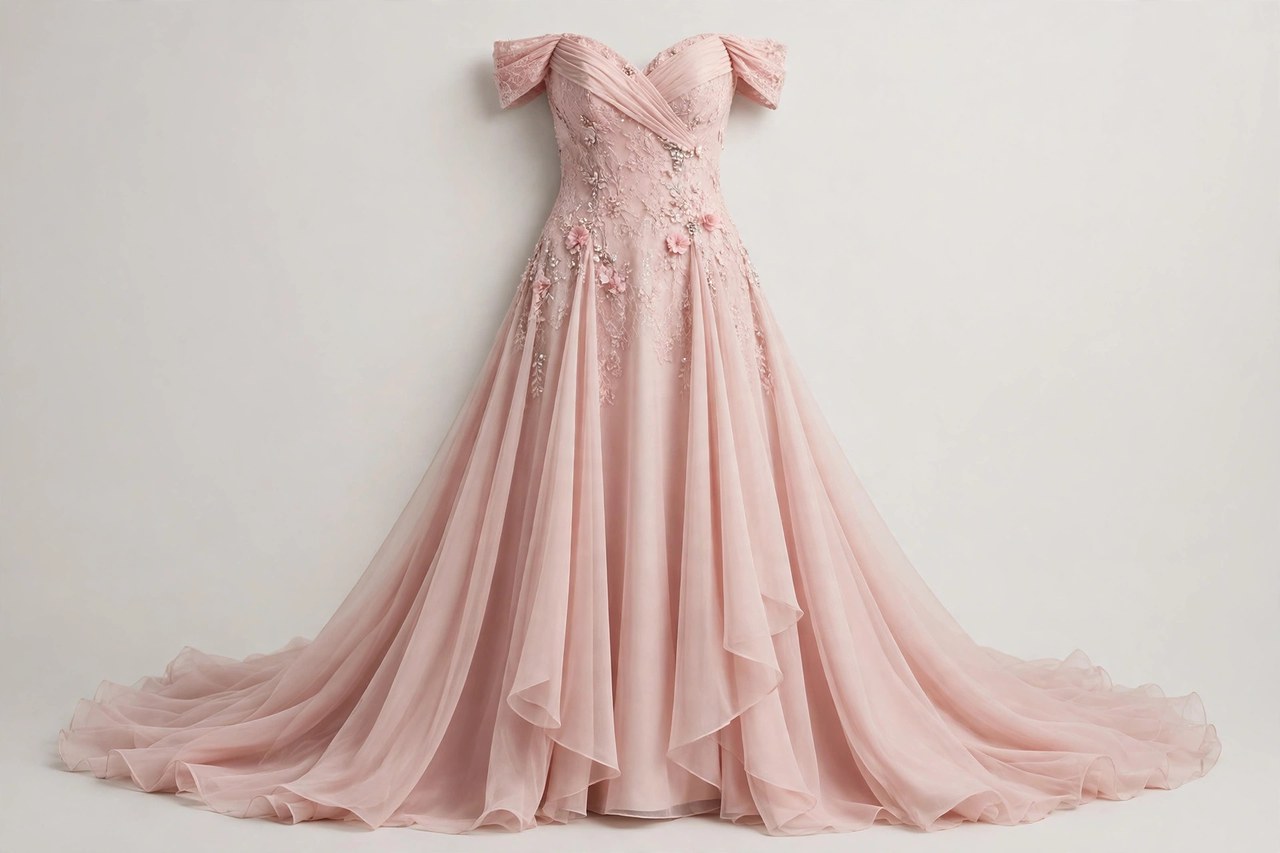
A prom dress is a formal dress chosen for a school prom — the end-of-year dance that, for many wearers, is the first genuinely formal occasion of their lives and the first time they shop the evening-wear floor rather than the junior dress rack. That is why the category borrows so freely from adult formalwear: the same silhouettes, fabrics and construction as bridesmaid and evening dresses, cut and priced for a younger wearer and a single landmark night, and increasingly registered, photographed and remembered like one too.
This guide works through the decisions in the order they arise: the silhouette families, the fabrics and how they behave across a long evening, school dress codes, the alterations timeline that turns a rack dress into your dress, and the budget arithmetic that keeps the whole outfit inside a sane total.
The Silhouettes: A-Line to Two-Piece
The A-line is prom's most forgiving and most chosen shape: fitted at the bodice, flaring gently from the waist into an A that skims rather than grips, comfortable to sit and dance in, and kind to nearly every figure. The ball gown is the maximal version — a fitted bodice over a full, layered skirt, often tulle or organza, the fairytale silhouette of the category, dramatic in photographs and demanding of space in a car and on a dance floor. The mermaid fits close through the body and flares below the knee: the sleekest, most adult silhouette, and the least forgiving of movement, sitting and a big dinner.
The sheath and column dresses run straight and close without the mermaid's flare, in crepe, satin or sequins, and read as modern minimalism. The empire waist raises the seam to just under the bust and lets the skirt fall free, a soft, romantic option that is also the most comfortable at the waist. The two-piece prom dress pairs a crop or fitted top with a separate skirt — mixed fabrics, a bare midriff section within dress-code limits, and the practical bonus that each half can be altered, and later worn, separately. Short prom dresses, at cocktail length, complete the family for schools and wearers who prefer them.
Fabrics, Color and Dress Codes
Fabric decides how a silhouette behaves. Tulle and organza build volume without weight. Satin gives the liquid shine of classic formality and shows every undergarment line. Chiffon floats and is the forgiving choice for movement. Sequined and beaded fabrics photograph brilliantly, at the price of weight and snagging. Crepe and jersey serve the sleek silhouettes, stretching where woven fabrics would strain.
Before falling for any of it, read the school dress code, because prom codes are enforced at the door: common rules cover strap width, neckline depth, slit height, midriff exposure and train length. On color, the practical test is photographic: jewel tones, deep reds, navy and black photograph richly under flash, while pastels read soft. Many shops run dress registries so two wearers do not buy the same dress for the same prom; registering yours is a kindness in both directions.
Fit and the Alterations Timeline
Almost no prom dress fits perfectly off the rack, and the category runs on alterations. The usual three are hemming to the exact shoe height you will wear, taking in the bodice so the dress stays up through dancing without constant adjustment, and strap and bust adjustments, including adding cups so the dress carries its own support. Buy the dress to fit the largest measurement and alter down; a dress that is too small anywhere cannot be let out beyond its seam allowances, which on prom dresses are often minimal.
The timeline matters because every junior in the region alters in the same six weeks. Eight to ten weeks out: buy the dress. Six weeks out: book the seamstress and buy the shoes. Three to four weeks out: first fitting, in the prom shoes and the undergarments you will actually wear. One week out: final fitting and pick-up, with a sitting, walking and dancing test. Leaving alterations to the final fortnight is the classic prom stress, and it is entirely optional — the calendar above is the whole secret.
Budget and the Night Itself
Budget the outfit, not the dress. The true total is the dress plus alterations, shoes, bag, jewelry, hair, tickets and photographs — and the classic error is spending the whole figure on the gown and improvising the rest. Honest economies exist: last-season and sample dresses, reputable resale (prom dresses are worn once and resold in quantity), and borrowed accessories. A well-altered mid-price dress beats an unaltered expensive one in every photograph.
On the night, pack the small engineering: safety pins and fashion tape, a spare strap solution, the lip color for touch-ups, and shoes you have already broken in at home. Afterward, have the dress cleaned promptly — hem dirt, soda and perspiration set invisibly and yellow later — then store it in a breathable garment bag. Whether it is kept, resold or passed to a younger cousin, a prom dress cared for promptly keeps its options open, which is the right ending for the hardest-working single-night garment in the wardrobe.
Related Women's Guides
Photos

More to Explore on Apparel Search
Looking for Women's Clothing Stores?
This guide helps you choose women's prom dresses. To browse where to buy, visit our women's clothing store directory, where you can find retailers that carry them.