Women's Petite Clothing News, Blogs & Photos
Petite fashion coverage lives in specialist places — petite blogs, brand petite-range launches, size-inclusive news and photo features — and this resource guide shows where to follow it and how to read it usefully.
Shop Women's Petite Clothing Now
Shop Women's Petite Clothing on Amazon Shop Women's Petite Clothing on eBayThe Amazon and eBay links on this page are affiliate links. If you make a purchase through them, Apparel Search may earn a commission.
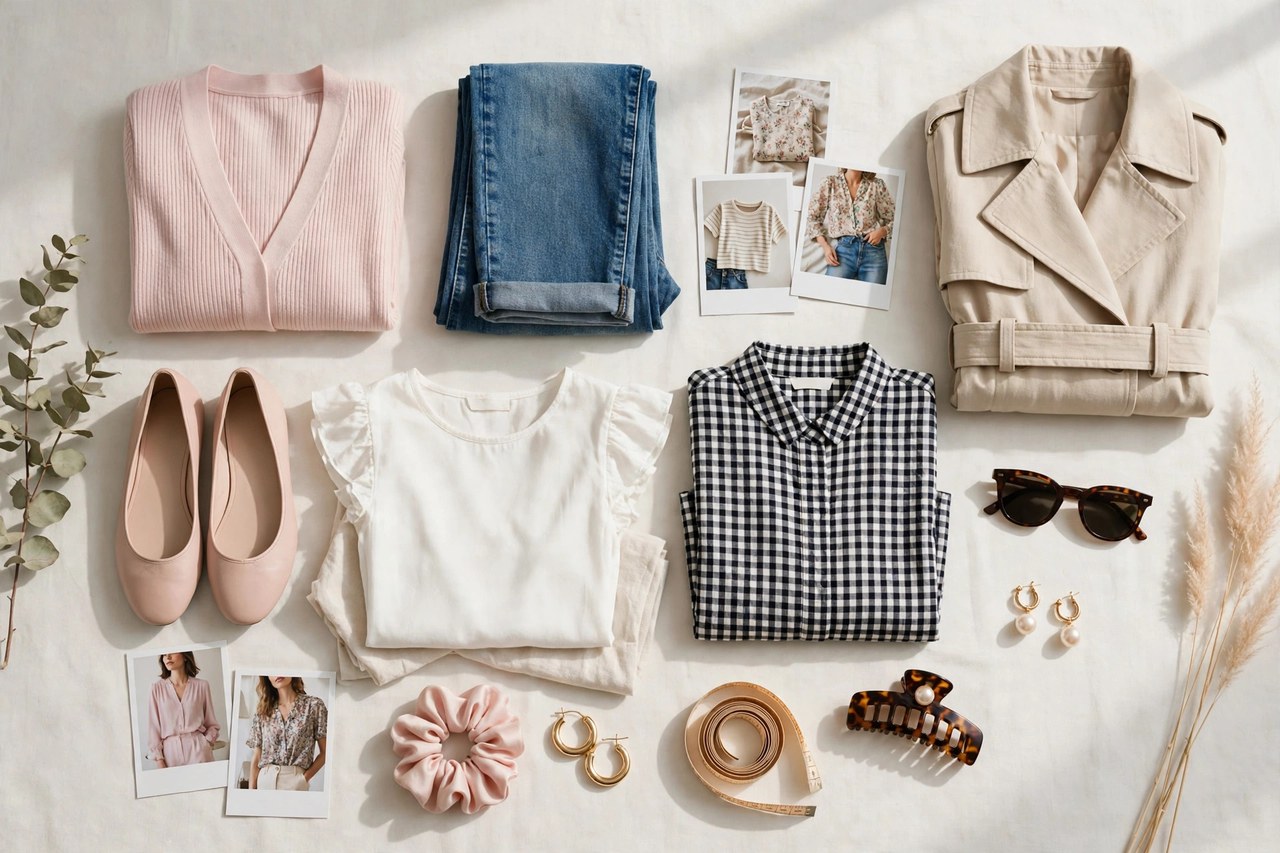
Petite clothing has a media problem and a media opportunity. Mainstream fashion coverage is still largely written and photographed around standard sample sizes, so the news that matters to women 5'4" and under — a favorite brand launching a real petite range, a retailer extending petite sizes, a styling method that works on a shorter frame — appears in specialist places and is easy to miss. This resource page maps those places: the news sources, the petite blog world, and the photo coverage that shows petite clothing on petite bodies.
Page 1 of this resource concentrates on news and blogs: what counts as petite fashion news, where it breaks, who writes the most useful petite blogs and reviews, and how to read coverage critically so it improves your wardrobe rather than just filling a feed. The companion page 2 covers the visual side — photos, lookbooks, catalogs and social imagery — in the same practical spirit.
What Counts as Petite Fashion News
Real petite news is narrower and more useful than general fashion news. The stories that change what you can buy are: a brand launching or expanding a petite range, a retailer adding petite to a new category (true petite tailoring and coats matter more than another petite tee), size-range extensions at either end of the petite chart, and changes to return policies and alterations services that affect online petite shopping. Seasonal trend stories matter only when they answer the petite question — how the trend is graded for a shorter frame.
Follow those stories through fashion trade coverage, brand newsletters (petite ranges are usually announced to the list before they are advertised), and the petite departments' own new-arrival pages, which quietly reveal a season's direction months ahead. Keep a simple note of which brands launch petite collections in which months; petite ranges often drop on a predictable twice-yearly rhythm, and the best pieces in small production runs sell through faster than regular sizes.
Petite Blogs: The Fit-Review Goldmine
Petite blogs are the most practically valuable corner of fashion media, because the good ones do what retailers do not: they publish the writer's height and measurements, try on specific garments, report actual inseams, sleeve lengths and waist positions, and photograph the result on a genuinely petite body. A detailed petite fit review of a coat or a pair of trousers can save three mail-order returns. Look for blogs that state measurements, name exact sizes tried, and show unedited fit details rather than only styled outfits.
Use blogs as a research layer before buying, especially for structured categories — tailoring, denim, dresses and outerwear — where petite grading decides success. Many petite bloggers also maintain brand directories of which labels run true petite patterns, alteration tutorials for the forgiving categories, and capsule wardrobe series built entirely from petite ranges. Follow several voices across your own height within the petite band and your style, since a 5'0" minimalist and a 5'4" maximalist will teach you different, equally useful lessons.
Reading Coverage Critically: Petite-Washing and Real Grading
Coverage needs a critical eye, because not everything labeled petite is a petite pattern. Petite-washing — our term for marketing cropped or short styles as petite without re-grading rise, waist or armhole — is common, and news stories sometimes repeat the claim uncritically. Test any announcement against the standard from the size guide pages: does the range publish petite inseams, shorter rises and scaled lengths, or does it simply offer a shorter hem? Blog reviews and comment sections usually surface the truth within weeks of a launch.
Photographs deserve the same skepticism as text, a theme page 2 develops fully: check whether the model is actually petite, whether garment measurements are given, and whether the styling tricks (heels, high angles, tucked everything) are doing work the garment cannot. Coverage that names heights, measurements and exact sizes respects your time; coverage that does not is entertainment, and should be budgeted as such. The petite shopper who reads critically buys better and returns less.
A Seasonal Rhythm for Following Petite Fashion
Petite coverage follows the fashion calendar with a lag you can exploit. Spring and fall bring the range launches, lookbooks and the densest blog review seasons, because those are the tailored, layered collections where petite grading matters most. Sale seasons are when petite stock, produced in smaller runs, disappears unevenly — news of restocks and final reductions is worth more in petite sizes than in regular, where depth of stock forgives waiting.
Build a light routine rather than a constant scroll: subscribe to a handful of petite blogs and two or three brand newsletters, check petite new-arrival pages at the season turns, and keep a running wish list keyed to your measurements. When a story breaks that a brand you wear is extending its petite range or adding your category, that is the news worth acting on quickly. Then turn to page 2 of this resource, where the focus shifts from words to pictures — how petite fashion is photographed, and how to use lookbooks, catalogs and social photos as fit evidence.
Related Women's Guides
More to Explore on Apparel Search
- Petite Clothing Stores
- Petite Clothing Guide 3
- About Petites
- Petite Accessories
- Petite Activewear
- Petite Apparel
- Petite Belts
- Petite Bermudas
- Petite Blouses
- Petite Bottoms
- Petite Bras
- Petite Bridal
- Petite Bridesmaid Dress
- Petite Capri
- Petite Casual Dresses
- Petite Casualwear
- Petite Coats
- Petite Cocktail Dress
- Petite Cotton Fashion
- Petite Coverups
- Petite Denim
- Petite Designer Brands
- Petite Designer Collections
- Petite Designer Jeans
- Petite Down Jackets
- Petite Dress
Looking for Women's Clothing Stores?
This guide helps you choose women's petite clothing. To browse where to buy, visit our women's clothing store directory, where you can find retailers that carry them.