Women's Petite Designer Collections Guide
A designer collection is one season's edited story — this guide explains how those ranges are built, which pieces reach petite sizes, and how to shop a collection without buying the whole runway.
Shop Women's Petite Designer Collections Now
Shop Women's Petite Designer Collections on Amazon Shop Women's Petite Designer Collections on eBayThe Amazon and eBay links on this page are affiliate links. If you make a purchase through them, Apparel Search may earn a commission.
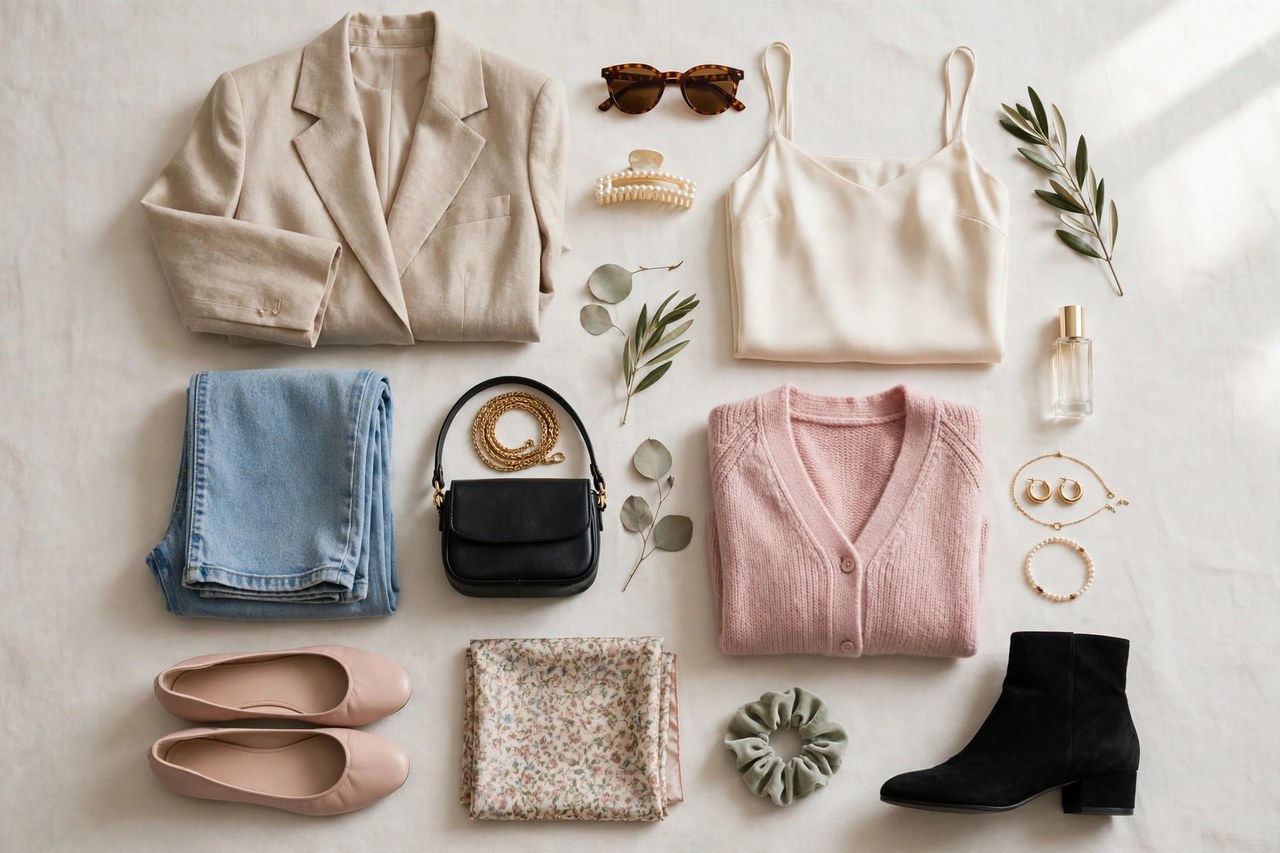
A collection is the set of garments a designer presents for one season: a coordinated group built around a palette, a silhouette story and a mood, shown on a runway or in a lookbook and then sold, in edited form, in stores. Petite designer collections are the version of that story cut for women 5'4" and under — or, more honestly, the portion of it that brands choose to re-pattern in petite proportions, with shorter lengths, narrower shoulders, raised waists and details redrawn at smaller scale.
Where the designer brands guide looks at labels as a whole, this guide looks at the seasonal drop itself: how a collection is structured from showpiece to commercial core, why petite versions arrive later, smaller or not at all, and how to extract the two or three pieces that will actually transform a petite wardrobe. Understanding the machinery of a collection season — pre-collections, main lines, capsules and resort — turns confusing release calendars into a shopping advantage.
How a Collection Is Built: Showpieces to Commercial Core
A runway show mixes three kinds of garment. Showpieces state the theme at maximum volume — exaggerated silhouettes and embellishment that are photographed everywhere and bought by almost no one, sometimes produced only to order. Editorial pieces soften the theme into striking but wearable clothes. Commercial core pieces — the tailored coat, the dress, the knit, the trouser in the season's colors — are what stores actually stock in depth, and they are almost always where petite versions are made, because re-patterning a style for petite is an investment brands reserve for proven sellers.
The calendar adds more layers. Pre-fall and resort or cruise collections land between the main spring and autumn seasons and often contain the most wearable, least theatrical clothes of the year — a quiet opportunity for petite shoppers, since these ranges lean on coats, dresses and tailoring that brands are likelier to cut in petite. Diffusion and capsule collections translate a house's codes at lower prices, and their petite capsules, when offered, are the most accessible entry into a designer's proportions and palette in any given season.
What Reaches Petite Sizes, and What Does Not
Petite shoppers should expect a filtered collection, and plan for it. Styles most likely to appear in petite are the structured core: coats, blazers, sheath and fit-and-flare dresses, trousers and pencil skirts, where petite pattern blocks already exist and demand is proven. Styles least likely are extreme runway silhouettes, very long gowns, oversized statement pieces whose entire effect depends on volumes that cannot simply be scaled, and one-off embellished showpieces. When a beloved style is not cut in petite, a regular version sometimes tailors down — but hems and waists move more easily than shoulders.
When a petite version does exist, check that the collection's design details survived the scaling intelligently. A print from the main collection should be re-spaced, not just cropped by shorter pattern pieces, or motifs will be sliced at seams. Embellishment should be reduced in motif size and density, ruffles and tiers redistributed over a shorter length so the dress does not become all tier and no body, and color-blocking seams should land at petite waist and hip points. The best petite collections feel like the same story told fluently in a smaller format, not a photocopy reduction.
Reading a Collection and Choosing Your Pieces
Read a new collection for its codes before its individual items: the two or three colors repeated everywhere, the hemline and shoulder line of the season, the fabric story — perhaps double-faced wool, liquid satin or dense lace — and the styling combinations the lookbook repeats. Then translate, do not transplant. On a petite frame, a collection's long layered looks usually work best distilled: the coat in its true petite cut over your own simpler layers, the palette adopted in separates, the statement sleeve chosen in its scaled petite version rather than the runway's exaggerated one.
Aim for the piece that carries the collection and fits your life. For most petite wardrobes that is the coat or the dress: the garment where the designer's cutting, in correct proportions, is most visible and most worn. Buy it early if it is a core petite size, since petite runs are small and rarely restocked. Let the rest of the collection inspire styling around pieces you own — the scarf in the season's print, the color pairing, the shoe shape — rather than pressuring a full look that was proportioned on a runway model of very different height.
Timing, Pricing and Care of Collection Pieces
Collection pricing follows a rhythm petite shoppers can use. Full price rewards certainty and size availability at the season's start; mid-season promotions trim core pieces modestly; end-of-season sales cut deepest but leave broken petite size runs, so the piece you want may exist only in the wrong size — and a designer piece in the wrong proportions fails the test set out throughout this guide. Outlet and past-season channels suit classic collection pieces whose design codes date slowly, especially coats and tailoring in house colors.
Care for collection pieces as the seasonal investments they are. Many use delicate or blended fabrics, internal structure and embellishment that want specialist dry cleaning, careful steaming rather than pressing, and storage out of light in breathable covers. Keep the spare buttons, fabric swatches and care cards that arrive with designer garments; they preserve both wearability and resale value. A petite wardrobe built from one or two well-chosen collection pieces a year, in true proportions, quickly accumulates into something no single season's shopping can imitate: a personal archive that still fits perfectly.
Related Women's Guides
Looking for Women's Clothing Stores?
This guide helps you choose women's petite designer collections. To browse where to buy, visit our women's clothing store directory, where you can find retailers that carry them.